Solar Plate Price in Quetta

Solar Plate Price in Quetta — 23 November 2026
Jinko Tiger Neo
N-Type TOPCon Bifacial
Rs 21,587
Rs 36.9/W
★ Best Value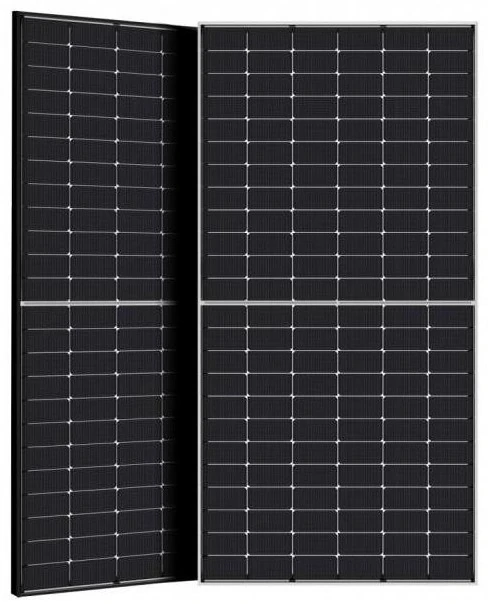
- N-Type TOPCon bifacial cells
- Power from both sides
- Double glass
- Most sold Jinko size in Pakistan
- A-grade, documented
- 12-year product warranty
- 25-year performance warranty
Longi Hi-MO X10
N-Type HPBC 2.0 Bifacial
Rs 26,123
Rs 40.5/W
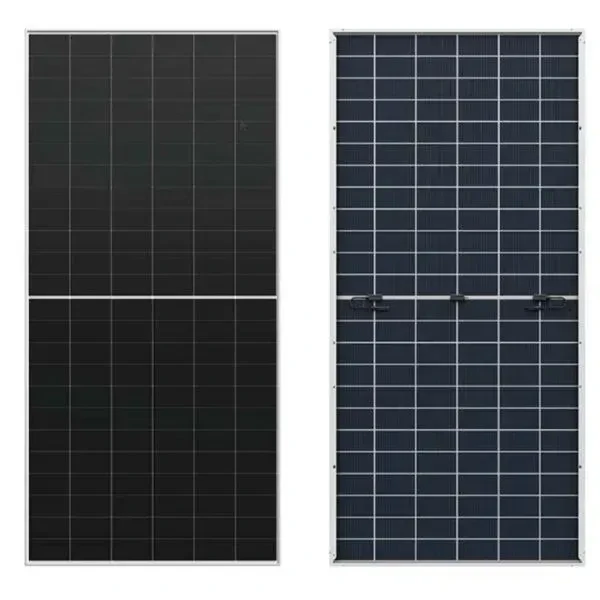
- HPBC 2.0 back-contact cells
- Power from both sides
- Double glass
- Flagship — best seller in Pakistan
- A-grade, documented
- 15-year product warranty
- 30-year performance warranty
Canadian TOPHiKu6
N-Type TOPCon Bifacial, Double Glass
Rs 23,195
Rs 39.6/W
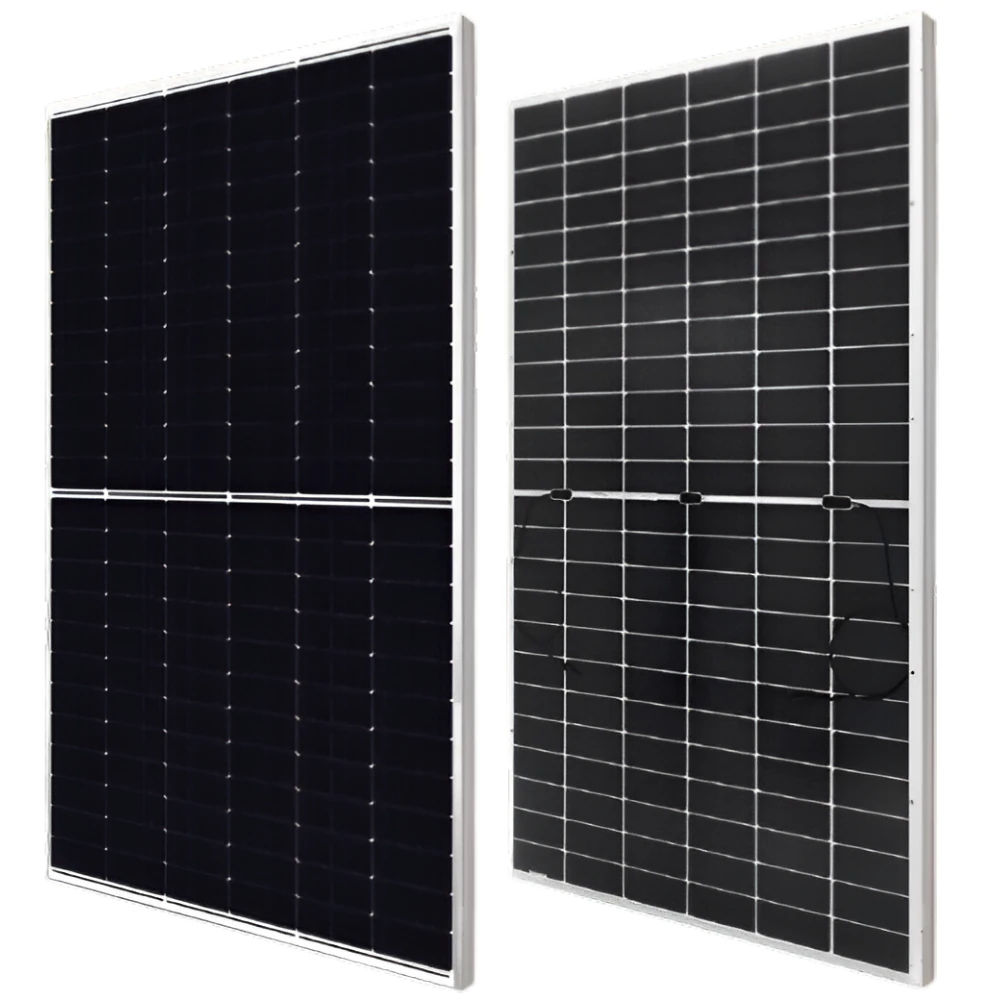
- N-Type TOPCon bifacial cells
- Power from both sides
- Double glass
- Most sold Canadian size in Pakistan
- A-grade, documented
- 12-year product warranty
- 30-year performance warranty
Trina Vertex N
N-Type i-TOPCon Bifacial
Rs 23,906
Rs 38.3/W
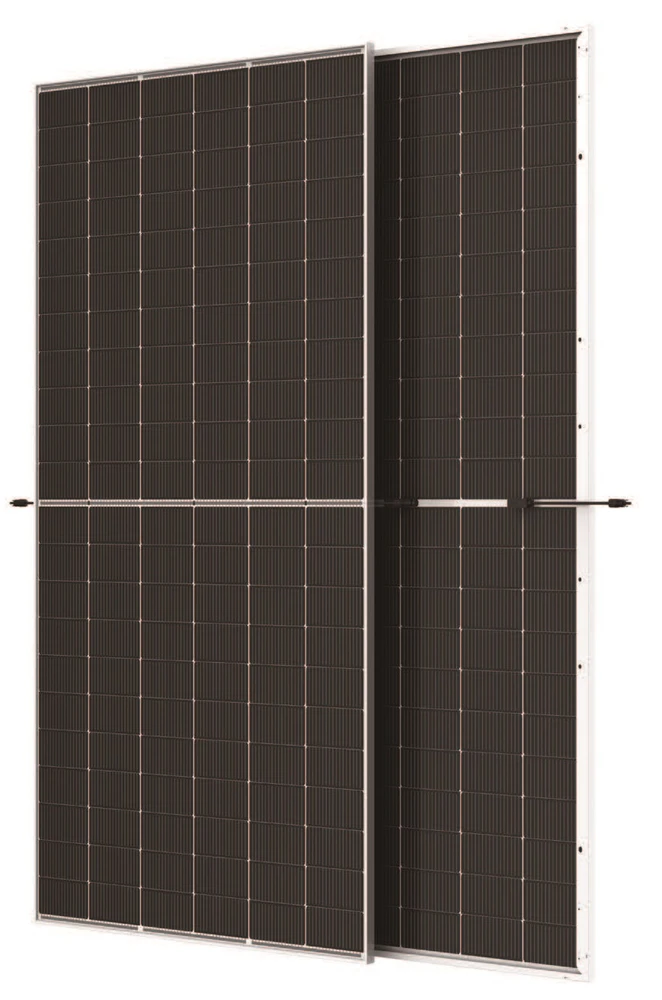
- N-Type i-TOPCon bifacial cells
- Power from both sides
- Double glass
- Second-cheapest per watt today
- A-grade, documented
- 12-year product warranty
- 30-year performance warranty
JA DeepBlue 4.0
N-Type TOPCon Bifacial
Rs 22,534
Rs 38.5/W
- N-Type TOPCon bifacial cells
- Power from both sides
- Double glass
- Most sold JA size in Pakistan
- A-grade, documented
- 15-year product warranty
- 30-year performance warranty
Inverex Mustang
N-Type TOPCon Bifacial, Double Glass
Rs 25,420
Rs 41.0/W
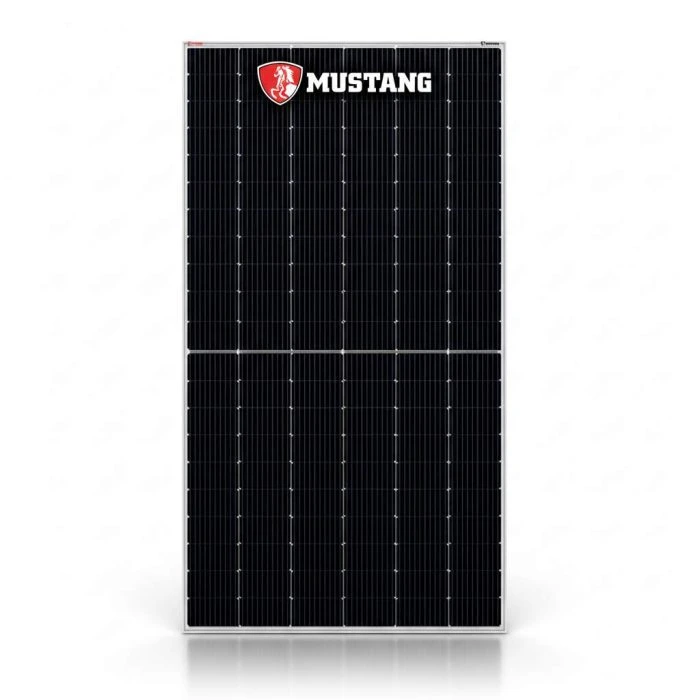
- N-Type TOPCon bifacial cells
- Power from both sides
- Double glass
- Inverex flagship size
- A-grade, documented
- 10-year product warranty
- 25-year performance warranty
Pakistan’s sunniest big city
Quetta gets more peak sun hours than any other big city in Pakistan — the same plates make more units here than anywhere else.
Cold mornings, strong output
Quetta’s cold, clear mornings suit solar plates — cool plates run better, and the high altitude means stronger sunshine.
Updated daily
Every price in the cards above comes from that day’s verified dealer listings — never guessed.
Why Quetta Gets More Sun Than Any Other Big City in Pakistan
Quetta sits about 1,680 metres above sea level in a bowl of mountains — Zarghoon to one side, Takatu and Chiltan to the others — and that height is the first reason solar works so well here. The air is thin, dry and clear, so the sunshine reaches your roof stronger than it does in the plains. This page lists the solar plate price in quetta for all six brands on this site in one place, with the same day’s rates in the cards above.
Jinko works out cheapest per watt today at Rs 38.1/W, with Trina just behind at Rs 38.3/W.
Compare the per-watt rate, not the plate price alone. A big plate always costs more, but it can still be cheaper per watt — or more expensive. The card tells you the per-watt rate under the price, so compare that number first.
Quetta gets between 5.8 and 6.5 peak sun hours a day — the highest of any big city in Pakistan. In plain words, a peak sun hour is one hour of full-strength sunshine. Over a whole year, one kilowatt of plates in Quetta makes about 1,744 units of electricity.
The same plates in Faisalabad make about 1,370 units. That is roughly 27 percent more power from the same plates, just because of where they sit. The solar plate price in quetta in the cards above is the same day’s rate, updated every morning from dealer listings.
This page is written for buyers in Quetta — homeowners, shop owners, cold-storage owners and farmers with tube wells alike. If you run a shop on Jinnah Road or a cold store near the fruit mandi, the business sections below are for you. If you are buying for a house in Jinnah Town or Satellite Town, the home sections apply. For the 585W class across brands, see the 585 watt solar plate price in Pakistan page.

Jinnah Road, Jinnah Town and the Fruit Mandi — Where Quetta Buys Its Plates
Quetta has no single giant solar bazaar like Lahore’s Hall Road. The trade is spread over a few known spots, and most buyers start on Jinnah Road. The shops near City Hospital and Fateh Khan Market — around Haji Abdul Raheem Plaza — sell plates, inverters and batteries side by side, and the same road carries the city’s electrical wholesale trade. If you want to compare three quotes in one walk, Jinnah Road is where you do it.
Jinnah Town is the second hub. Solar Star Quetta sits on Killi Barat Road near the IT University Road corner, and the Balochistan Energy Company has its office on Jinnah Town Main Road. Solar Star is an authorised GoodWe dealer for 2026–27, which matters — an authorised dealer can give you genuine inverters with real warranty papers, not just a shop receipt.
VS Solar, near Fateh Khan Market on Jinnah Road, works as a consultant and installer as well as a trader. Smaller names like Raskoh Solar and ABRAR Solar Energy also serve the city, and Yaseenzai Battery and Solar near Al-Mahmood Hotel on Ali Bhai Road is the kind of small specialist shop that Quetta buyers know by name.
Beyond the two hubs, the trade follows the city’s roads. Sariab Road and Samungli Road carry installer workshops and battery shops. Satellite Town, Airport Road, Brewery Road and Zarghoon Road have dealer showrooms mixed in with the houses. Cantt, Hazara Town and Mariabad buy from the same Jinnah Road shops, and the towns around the valley — Kuchlak, Pishin and Mastung — buy through Quetta dealers too, because there is no wholesale market of their own out there.
Quetta’s buyers are not like Lahore’s. Many of them are buying for a tube well, a cold store or a shop, not just a house. The fruit mandi and the cold storages around it run big daytime loads — fans, chillers and sorting machines that switch on with the sun.
Those are perfect loads for solar plates, because the plates make power at exactly the time the machines need it. Farmers around Kuchlak and Pishin buy for tube wells, where a solar setup replaces a diesel engine that drinks fuel every day. Compare each quote against the solar plate price in quetta in the cards above before you decide.
Five Things That Push a Quetta Quote Up or Down
Five things move the price of the same plate in Quetta, and none of them is the plate itself. This section explains each one in plain words, so you can read any Quetta quote and know what you are paying for.
- Freight — the long road from Karachi Port: every plate in Quetta arrives by truck from Karachi Port, up through Sindh and over the Bolan Pass. That is the longest haul of any big city in Pakistan, and the freight sits inside every Quetta quote. A plate bought in Karachi is usually cheaper than the same plate delivered to Quetta, because the Quetta dealer paid for the truck.
- Few dealers, less price war: Quetta has a small dealer base compared with Lahore or Karachi. Fewer shops means less competition, and less competition means quotes sit a little higher. That is why comparing two or three quotes matters more here than in a big market city.
- Grade — A-grade, B-grade and relabelled stock: A-grade plates are the maker’s first-quality stock with full warranty papers. B-grade plates are factory seconds — lower output, shorter warranty, cheaper per watt. Relabelled stock is the trap: a lower-grade plate sold under a Tier-1 brand name.
- The dollar rate: plates are imported, so the rupee-dollar rate moves the plate price week to week. A quote from last week is not today’s price.
- Season: demand peaks in the summer, when load-shedding and high bills push buyers to install. Prices are usually softer in the winter months, when snow and cold slow the work down and demand falls.
Because of all five, the honest way to read a Quetta price is as a band, not a single figure. The cards at the top of this page give the day’s verified figure for each brand, not a band — and they are updated every morning. Use the cards for today’s figure, and use this section to judge whether a quote you hold in your hand is fair against the solar plate price in quetta.
One more Quetta habit to watch: a sealed pallet of 31 to 36 plates trades noticeably below single-plate retail. Above about 20 plates, a sealed pallet from Karachi plus your own transport usually beats a Quetta retail quote. Below 10 plates, the freight eats the saving — buy locally and negotiate the mounting structure instead. And if a quote sits far below the market band, treat it as a warning sign, not a bargain.
Snow, Dust Storms and Minus-10 Nights — Plates That Cope With Quetta Weather
Quetta’s weather is the most extreme of any big city in Pakistan, and it cuts both ways for solar. Summers are hot and dry, with clear skies for months. Winters are very cold, with snow and nights that drop to minus 10°C. The plates that do best here are the ones with the lowest temperature coefficient and the best low-light performance — N-type TOPCon plates first, then HJT plates, then the older P-type PERC plates.
The temperature coefficient is the number to check. It tells you how much output a plate loses for each degree above 25°C. Jinko’s Tiger Neo is reported at minus 0.26 percent per degree, Longi’s Hi-MO X10 at minus 0.26, Canadian Solar’s HJT HiHero+ at minus 0.24, JA Solar’s DeepBlue 4.0 at minus 0.30, and Trina’s Vertex N at minus 0.29 to minus 0.34. In Quetta the heat matters less than in Multan, because the air stays cooler — but on a hot June afternoon the plate with the lower number still wins.
Cold is Quetta’s secret advantage. A solar plate makes more power when it is cool, and a cold, clear Quetta morning is the best working weather a plate can ask for. Cold mornings also push the plate’s voltage up, so the inverter and the wiring must be sized for that higher morning voltage — a lazy installer who sizes for summer only will trip the inverter on a January morning. Ask your installer whether the design accounts for cold-morning voltage.
What Snow and Cold Mornings Do to the Solar Plate Price in Quetta
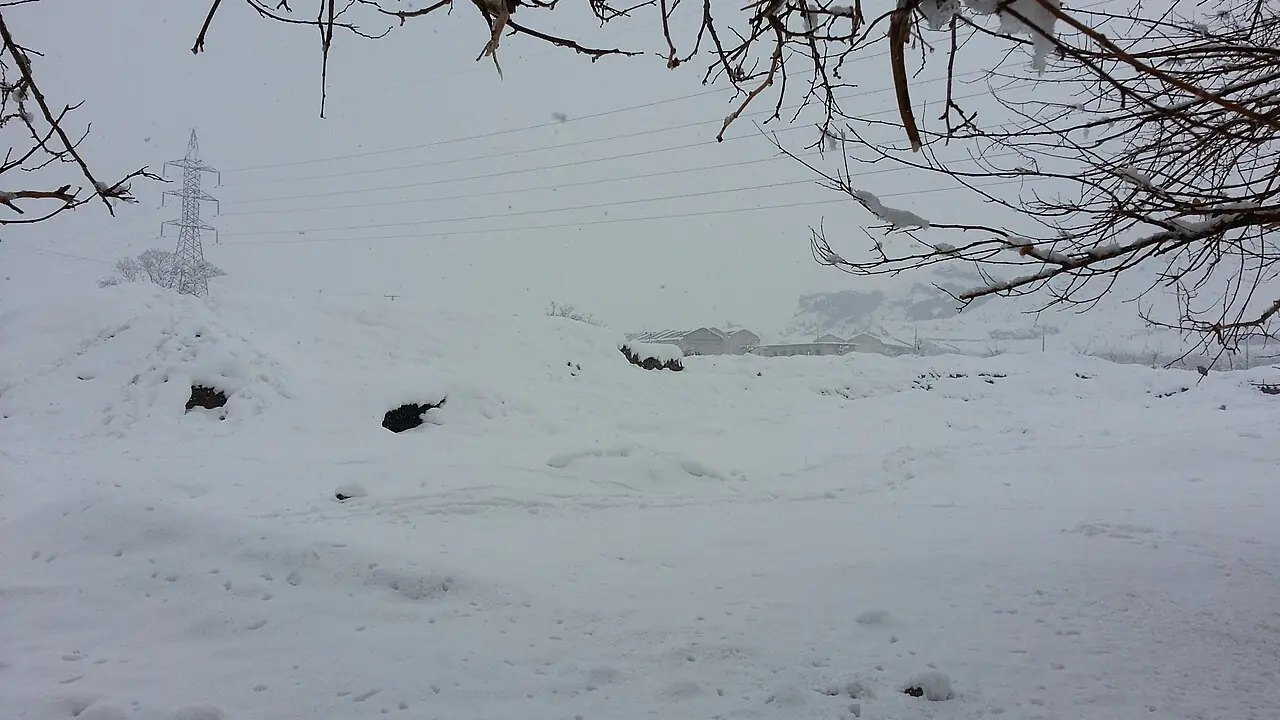
Snow and cold mornings do not change the solar plate price in quetta on the cards — but they change what a plate is worth once it is on your roof. Snow covers the plates and blocks the sun until it slides off or is cleared. The fix is in the tilt: Quetta’s best tilt is about 40 degrees facing true south, much steeper than Lahore’s, and at that angle snow slides off on its own far sooner than it does on a flat roof. A flat-mounted plate in Quetta is a snow trap.
Clear snow with a soft brush or a long-handled broom, and clear it in the morning so the plates catch the day. Never pour hot water on a frozen plate, and never scrape it with metal — both can crack the glass.
December is the darkest month, with only about ten hours of daylight, and June is the brightest, so a system sized on summer sunshine alone will disappoint you in winter. Size the system against full-year data, not just the sunny months. Dust storms from March to June are the other cleaning job — dust settles on plates and cuts output until it is washed off, so plan a wash after every big storm.
How Many Plates for a Quetta Home — and for a Tube Well?
Plates are only one part of a system’s cost. A complete system also needs an inverter, a mounting structure, batteries for hybrid systems, wiring and installation. The table below shows how many 585W plates each common system size needs — no prices here, because plates are priced in the cards above and the rest is priced on the system page.
| System size | Typical use | Plates needed (585W) |
|---|---|---|
| 3kW | Small home — fans, lights and fridge | 6 plates |
| 5kW | Medium home, daytime load | 9 plates |
| 7kW | Medium-large home with backup | 12 plates |
| 10kW | Large home, full daytime load | 18 plates |
| 15kW | Small workshop, cold store or tube well | 26 plates |
On-grid or hybrid — that is the first choice for a Quetta home, and in Quetta the answer is usually hybrid. Load-shedding here is long, especially on the outskirts and in the towns around the valley, so a battery that keeps the fans and lights on when the grid goes down is worth more here than in Lahore. On-grid suits homes with stable supply and most of their load in the daytime, because it is cheaper and simpler. Hybrid costs more up front, but with net billing it also saves the daytime units from being exported cheap.
Work out your own size first with the solar load calculator, then use the cards at the top of this page to price the plates for that size. For full system rates, see our solar system price in Pakistan page. For inverter rates, see our solar inverter price in Pakistan page, and for battery rates, see our lithium battery price in Pakistan page. The solar plate price in quetta in the cards above is plate-only — the system page adds the inverter, structure and fitting.
A hybrid system costs about 30 to 40 percent more than an on-grid system of the same size, because of the battery and the hybrid inverter. The installation itself is charged separately — labour, mounting, wiring, the net billing work and surge protection each carry their own figure, and one quote includes them while another does not. Always compare quotes with the same items listed. For a tube well, the maths is different again: a solar tube well replaces a diesel engine, so the saving is the diesel you stop buying, not just the electricity bill — and the plates pay for themselves faster than on a house.
One Quetta-only check before you sign: the mounting. Quetta sits in an earthquake zone — the 1935 quake flattened much of the old city — and winter winds are strong.
A mounting structure that is only resting on the roof, or held down by a few loose blocks, is not good enough here. The structure must be bolted properly, the plates must be clamped at all four corners, and the frame must be earthed. A flat-roof quote with no mounting design at all means the installer hasn’t thought about your roof.
QESCO Net Billing — The Slow Queue in Pakistan’s Sunniest City
The Quetta Electric Supply Company (QESCO) is the sole DISCO for Quetta and most of Balochistan, formed in 1998 when the old WAPDA system was split up. Its head office is in Quetta, and its territory covers the whole province except Lasbela and Hub, which fall under K-Electric. QESCO is the company you deal with for any grid connection in Quetta — and it is also the slowest of the big DISCOs at processing solar files, so start the paperwork early.
The process runs through two online portals. Your load extension — if your sanctioned load is too small for the system you want — goes through the ENC portal. The net billing application itself goes through the PITC portal, with QESCO selected.
You need a three-phase connection and a sanctioned load of at least 5 kW, and the solar system cannot be bigger than your sanctioned load. The transformer on your street also has a limit: solar on one transformer may not exceed 80 percent of its rating. Systems up to 25 kW no longer need NEPRA’s concurrence before billing starts.
The billing rules changed in 2026. Under the Prosumer Regulations, new connections approved after 9 February 2026 are net billing, not net metering: surplus exports are bought at a small fraction of what imports cost, while imports are billed at the normal tariff.
Connections approved before February 2026 keep the old one-to-one net metering until their agreements expire, and new agreements run for five years. That changes the maths: with net billing, a hybrid system with batteries — which stores the daytime units for the evening instead of exporting them cheap — pays back faster than an on-grid system of the same size. The rules are set by the National Electric Power Regulatory Authority (NEPRA).
Have your papers ready before you apply: your CNIC, your latest QESCO bill, ownership papers or the owner’s written permission, and photos of the site. Your installer brings the single-line diagram, the inverter’s anti-islanding sheet, the flash test and serial details, and the earthing test. Then comes the inspection, the demand notice, and the meter swap.
The demand notice is QESCO’s own bill for the meter and the connection work — pay it to QESCO itself, never to a shop or an agent on WhatsApp. A shop selling a “green meter” off the shelf is not selling you a QESCO connection.
How long does it take? In Quetta city, a complete file usually clears in a matter of weeks. In the far districts — Zhob, Washuk, Kharan and the like — inspection teams travel long distances, so the same file can take two to three months.
Either way, ask your installer for the timeline in writing before you pay, and get the export rate in writing too. The solar plate price in quetta above does not include the net billing fee, so get that figure in writing as well.
Spotting a Fake Plate on Jinnah Road — Four Checks That Work
Quetta’s markets sell genuine plates and fake ones side by side. A fake plate looks right, but it makes less power and it has no real warranty. Before you pay the solar plate price in quetta shown above, run these four checks, in the order given.
1. Match the serial under the glass with the back label
Every genuine Tier-1 plate carries a serial number printed on the back label, with a matching serial sealed under the front glass. Check that both serials match each other and the model and wattage on the label. Check a few plates from each batch, not just one.
2. Check it on the brand’s own website
Confirm the plate on the brand’s own website — Jinko at cs.jinkosolar.com, Longi at longi.com, Canadian Solar at www.canadiansolar.com, Trina at trinasolar.com, JA Solar at jasolar.eu, Inverex at inverexsolar.pk — and do not use a QR code or a link the shop gives you instead. Use only the brand’s official website for this check. Lookalike “verification” sites are not the brand.
3. Ask for the serial details, flash report and warranty papers
Ask for the serial details, the flash test report and the warranty papers that match the plate itself. Check that the wattage and model on the papers match the plate you are buying. A dealer who cannot produce the papers is a dealer to walk away from.
4. Buy from a dealer you can return to
A genuine plate from a dealer with a shop you can visit — on Jinnah Road, in Jinnah Town, on Sariab Road or in Satellite Town — is worth more than a slightly cheaper plate from a seller you cannot find again. In Quetta, also compare the bill of materials line by line: the cheapest quote usually wins here, and that is exactly how undersized cabling and B-grade plates get onto roofs. The buying guides in the blog explain what else to check.

Inverters and Batteries That Fit Quetta’s Cold Nights
The plate is only half the system. For a Quetta home, the inverter decides how much of the plate’s output you actually use: on-grid inverters suit homes with stable QESCO supply and daytime load, hybrid inverters suit homes that need backup during load-shedding, and off-grid suits homes with no grid at all. Because Quetta’s outages are long, most homes here end up hybrid — and the inverter must be sized for the cold-morning voltage peak, not just the summer average.
Batteries are where Quetta’s cold really shows. Lead-acid batteries lose capacity in the cold and age faster when they freeze overnight. Lithium (LFP) batteries handle the cold far better, hold their charge through a freezing night, and last longer — they cost more up front and are the better buy here.
Keep any battery indoors or in a sheltered spot, out of the wind and off a freezing floor, and it will serve you longer. For batteries, Quetta dealers stock lithium (LFP) first, then tubular and Osaka, AGS and Phoenix lead-acid — lithium costs more up front and lasts longer, tubular is the budget backup.
Compare inverter rates on our solar inverter price in Pakistan page and battery rates on our lithium battery price in Pakistan page before you choose. A 5kW home usually pairs nine 585W plates with a 5kW hybrid inverter and one lithium battery, while a 10kW home pairs eighteen plates with a 12kW hybrid inverter and two batteries. Those are starting points, not rules — your own load decides the size. Use the solar load calculator to list your fans, lights, fridge and heater, and it will suggest the system size for you.
For tube wells, the pairing is different again. A solar tube well runs straight off the plates through a solar pump inverter, usually with no battery at all — the water is pumped while the sun shines, and stored in a tank for the evening. That keeps the system simple and cheap. Farmers around Kuchlak and Pishin who switched from diesel say the same thing: the sun does not send a bill, and the pump starts every morning without a trip to the fuel shop.
The Tax Hidden Inside Every Quetta Plate Price
There is no customs duty on solar plates in Pakistan — zero percent — and the sales tax on imported plates is 10 percent since July 2025. The 18 percent rise that was reported in early 2026 was dropped from the Finance Bill 2026-27, so the 10 percent figure is the one to use. Inverters carry 5 to 10 percent duty and batteries 10 to 15 percent. Ask your dealer whether the quoted plate price includes the 10 percent sales tax — a quote that excludes it will look cheaper by exactly that much, and the tax is still payable.
Quetta Next to Lahore and Karachi — Sun Rich, Freight Heavy
The solar plate price in quetta is usually a little above the Lahore rate, and the reason is the truck ride from Karachi Port. A plate bought in Lahore’s wholesale market is usually cheaper than the same plate delivered to Quetta, because the dealer here pays for the freight over the Bolan Pass. What Quetta loses on freight, it wins back on sunshine: the same plates make about 27 percent more units here than in Faisalabad, so the extra freight pays for itself in generation over the life of the system.
See the same day’s snapshot for other cities: Lahore | Karachi | Peshawar | Multan | Faisalabad. City rates are indicative — always confirm the final quote with a dealer in that city before paying.
Retail quotes in Jinnah Town, Satellite Town, Samungli Road, Airport Road, Sariab Road, Brewery Road, Hazara Town and Mariabad can be higher than the hub rate, and transport adds to the cost in Kuchlak, Pishin, Mastung, Chaman, Sibi and Ziarat. That is normal — the hub rate is the wholesale rate, and the retail shop adds its own margin and delivery. Compare the cards above with a written quote from a dealer in your own area before you decide.
Before You Buy in Quetta — The Short Version
Solar Plate Pakistan is an independent price-information website. We are not an authorized dealer or official partner of any brand. The solar plate price in quetta on this page comes from dealer listings collected each morning, and the same model’s price is matched across this page, the homepage and the brand pages on the same day.
Questions about this page can be sent through the Contact Us page, or by email at sohaibkhan127222@gmail.com. More about the site on our About Us page and our Our Team page.
Frequently Asked Questions
What is the solar plate price in Quetta today?
See the cards at the top of this page for the solar plate price in quetta today. Each card shows one brand’s flagship plate, its price and its per-watt rate. The cards are updated every morning from dealer listings, and the date is in the heading above them.
Where is the solar market in Quetta?
Jinnah Road is the main hub — the shops near City Hospital and Fateh Khan Market sell plates, inverters and batteries side by side. Jinnah Town is the second hub, with Solar Star Quetta and the Balochistan Energy Company, and smaller specialist shops sit on Ali Bhai Road and Sariab Road.
Why is Quetta the best city in Pakistan for solar?
Quetta gets between 5.8 and 6.5 peak sun hours a day, the highest of any big city in Pakistan. One kilowatt of plates here makes about 1,744 units a year — roughly 27 percent more than the same plates in Faisalabad. Cold, clear mornings help too, because cool plates make more power.
Does snow stop solar plates from working in Quetta?
Snow blocks the sun until it slides off or is cleared, so it cuts output on snowy days. At Quetta’s steep 40-degree tilt, snow slides off on its own far sooner than on a flat roof. Clear what stays with a soft brush in the morning — never hot water and never a metal scraper.
How long does QESCO net billing take?
In Quetta city, a complete file usually clears in a matter of weeks. In the far districts, inspection teams travel long distances, so the same file can take two to three months. Start the paperwork early, and ask your installer for the timeline in writing before you pay.
How much does a 5kW system cost installed in Quetta?
The cards above give the per-plate rate, and nine 585W plates make a 5kW system. The full system adds the inverter, structure, wiring and fitting — see the system price page for the full picture. Work out your own size first with the solar load calculator.
Does the Quetta price include installation?
No — the cards on this page are plate-only. Inverter, structure, wiring and installation are separate — see the system price page. For the plate price itself, see the cards above.
What tilt should plates have on a Quetta roof?
About 40 degrees facing true south — much steeper than in Lahore. The steep tilt catches the low winter sun better and lets snow slide off on its own. A flat-mounted plate in Quetta is a snow trap.
How do I check a solar plate is genuine in Quetta?
Match the serial sealed under the front glass with the serial on the back label, confirm the plate on the brand’s own website, and ask for the serial details, flash report and warranty papers that match the plate — and compare the bill of materials line by line, not the bottom-line figure.
Are these prices a final quote?
No — they are indicative rates from dealer listings. Always confirm the final quote with your dealer before paying. See our Disclaimer.