
Solar Inverter Price in Pakistan

Solar Inverter Price in Pakistan — 11 November 2026
Crown Xavier 3kW
Hybrid · IP21 · 5-year tag
Rs 75,000
Rs 25,000/kW
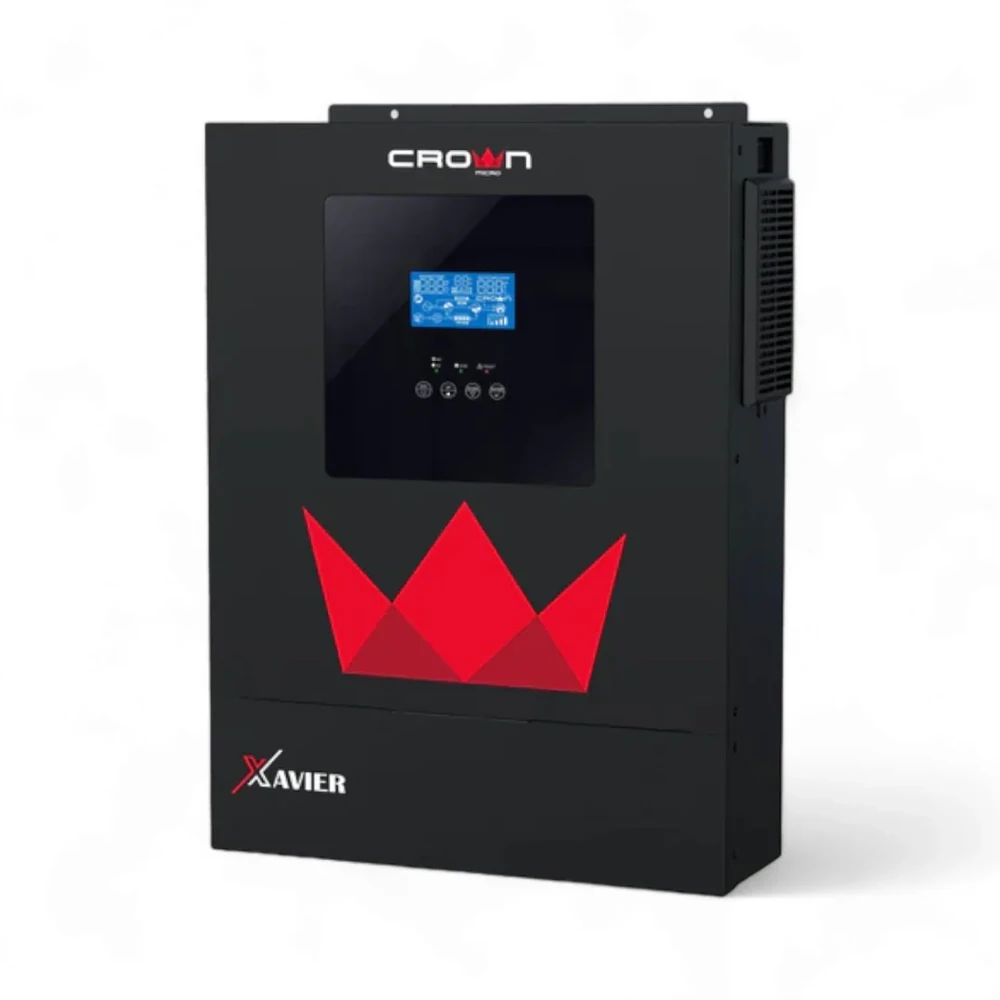
- 3 kW hybrid
- IP21 indoor only
- 5-year listing tag
- Dual MPPT
- Small-home backup
Crown Yorker 5kW
Hybrid · 48V · IP21
Rs 109,999
Rs 22,000/kW
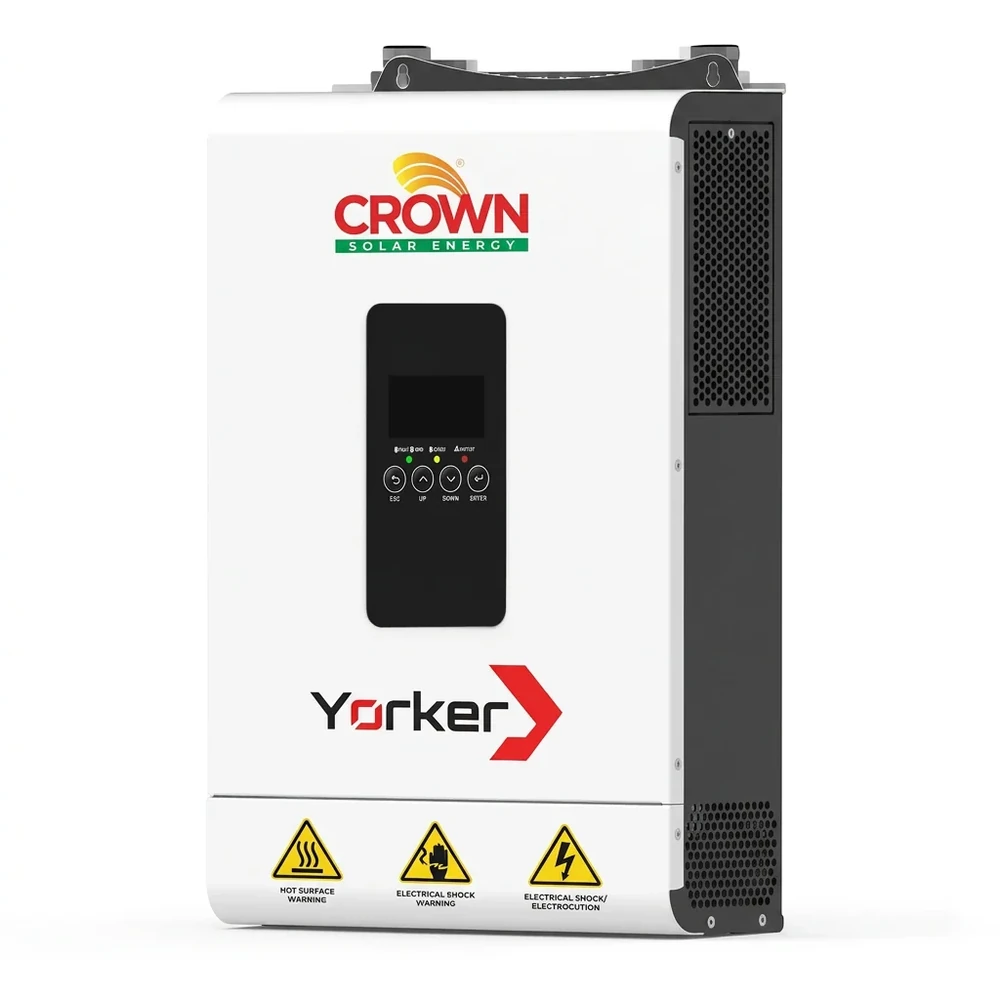
- 5 kW hybrid
- 48V battery system
- Dual output circuits
- IP21 indoor only
- One-AC home backup
Crown Xavier 6kW
Hybrid · IP21 · 5-year tag
Rs 120,000
Rs 20,000/kW
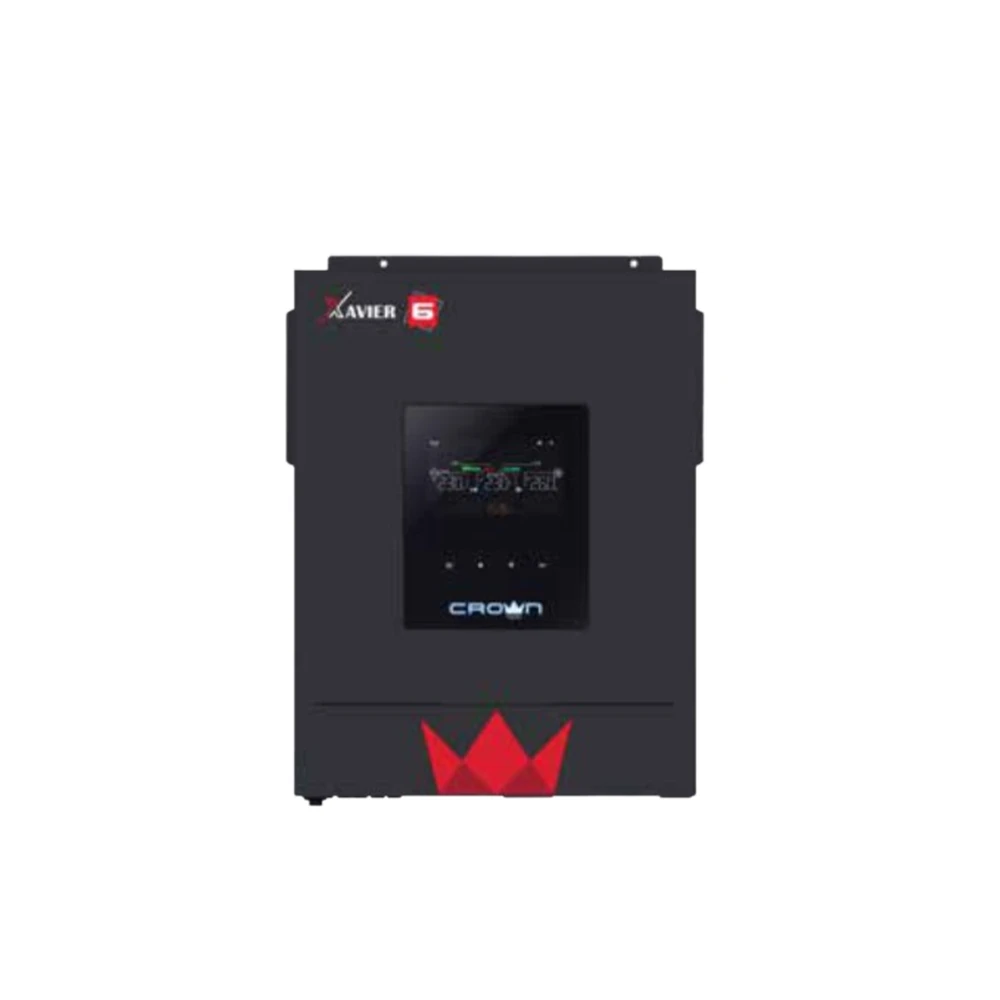
- 6 kW hybrid
- IP21 indoor only
- 5-year listing tag
- 120A MPPT
- Cheapest hybrid per kW
Fox KH8 8kW
Hybrid · 1-phase · IP65
Rs 275,000
Rs 34,375/kW
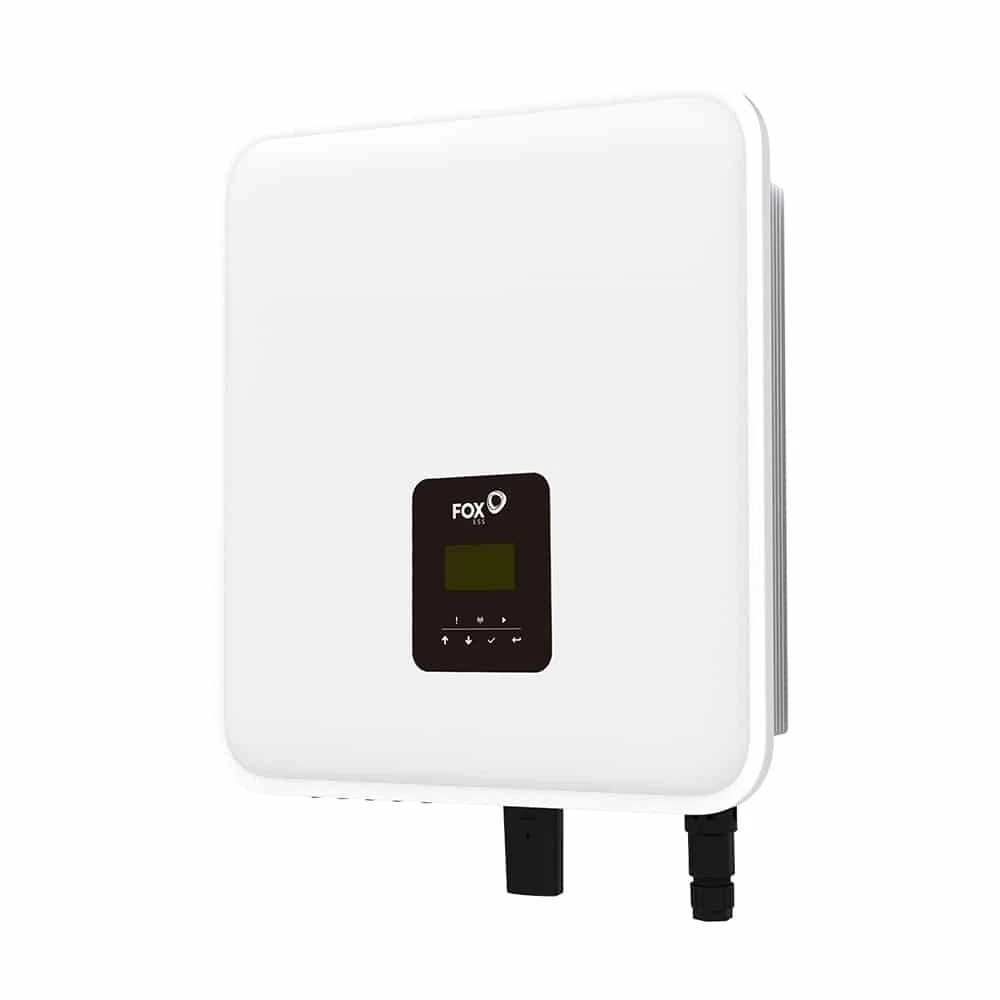
- 8 kW hybrid
- Single-phase
- IP65 sealed
- 5-year listing tag
- Large-home backup
Solis 10kW
Hybrid · IP66
Rs 363,000
Rs 36,300/kW
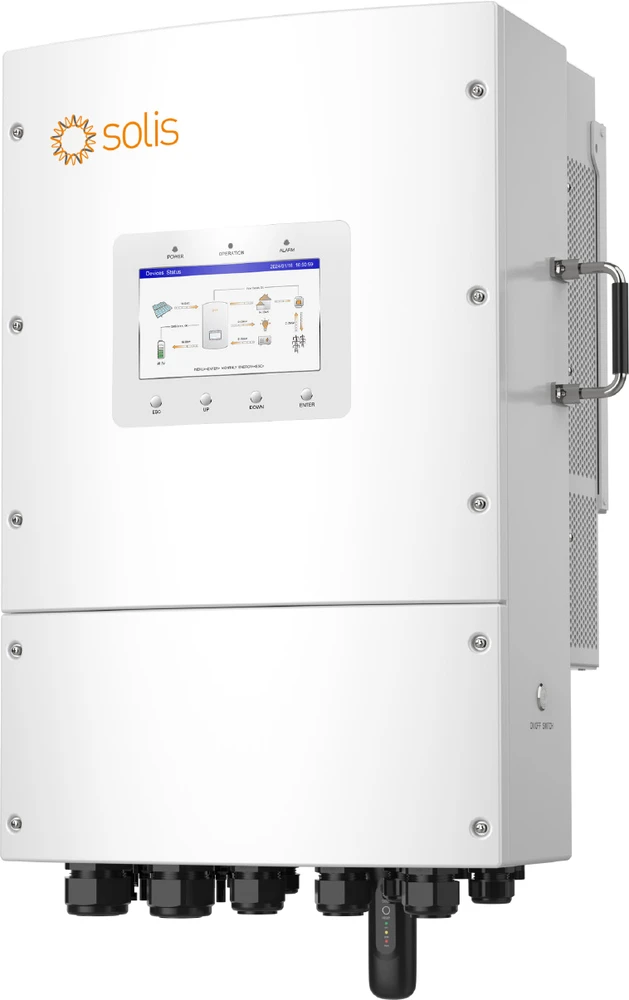
- 10 kW hybrid
- IP66 sealed
- Installer favourite
- Dual MPPT
- Large home + small commercial
Inverex 12kW
Hybrid · 3-phase · IP65
Rs 750,000
Rs 62,500/kW
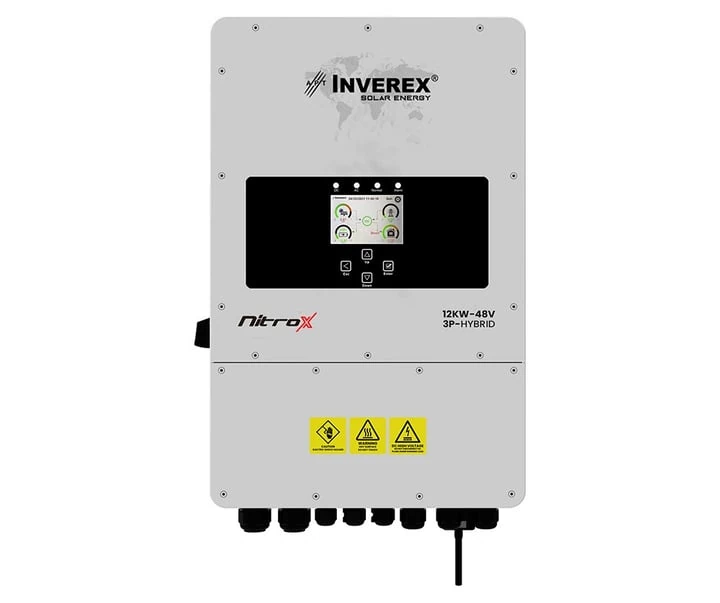
- 12 kW hybrid
- Three-phase
- IP65 sealed
- 5-year listing tag
- Deepest service network
Solis 15kW
Hybrid · IP66
Rs 630,000
Rs 42,000/kW
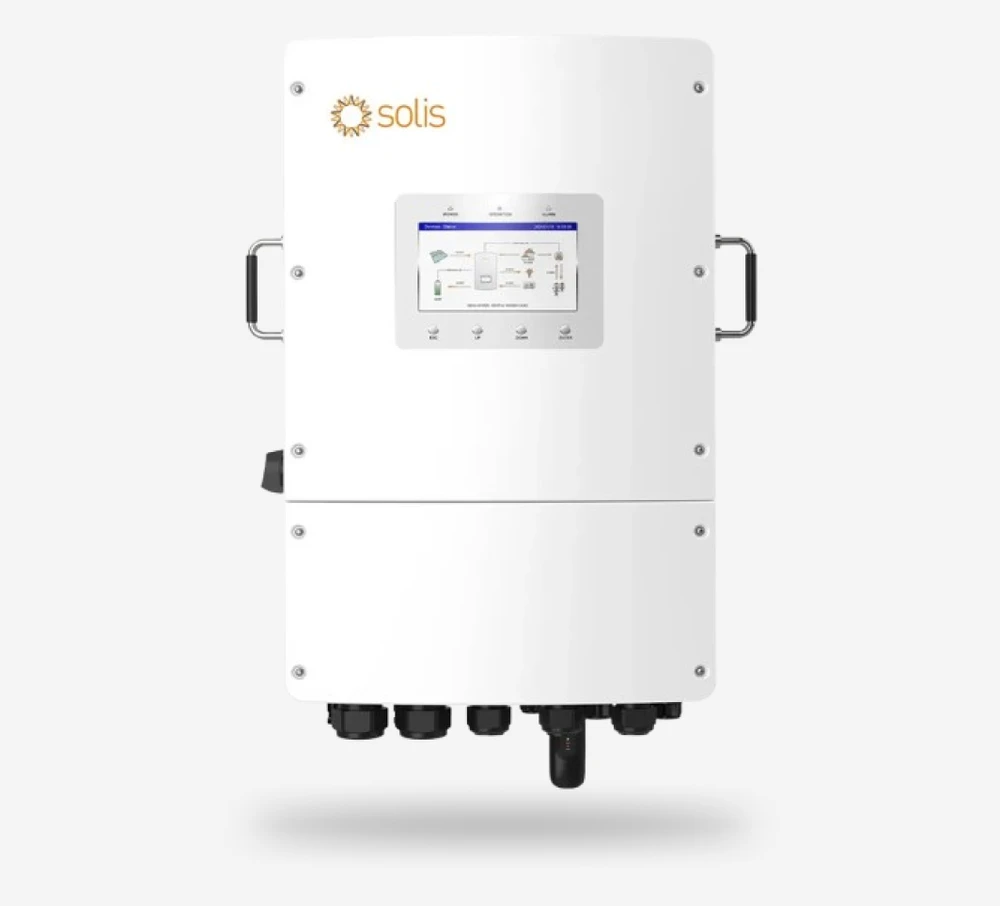
- 15 kW hybrid
- IP66 sealed
- Three-phase ready
- Installer favourite
- Commercial sites
SOFAR 20kW
Hybrid · 3-phase · IP66
Rs 675,000
Rs 33,750/kW
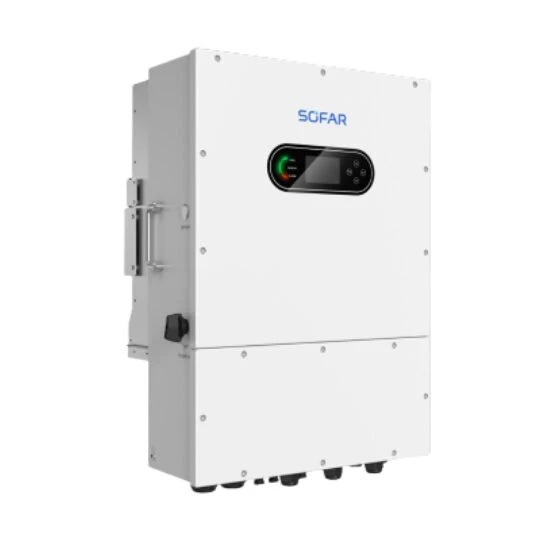
- 20 kW hybrid
- Three-phase
- IP66 sealed
- 10-year listing tag
- Commercial + farm use
Huawei 5kW
On-grid · 3-phase · IP65
Rs 180,000
Rs 36,000/kW
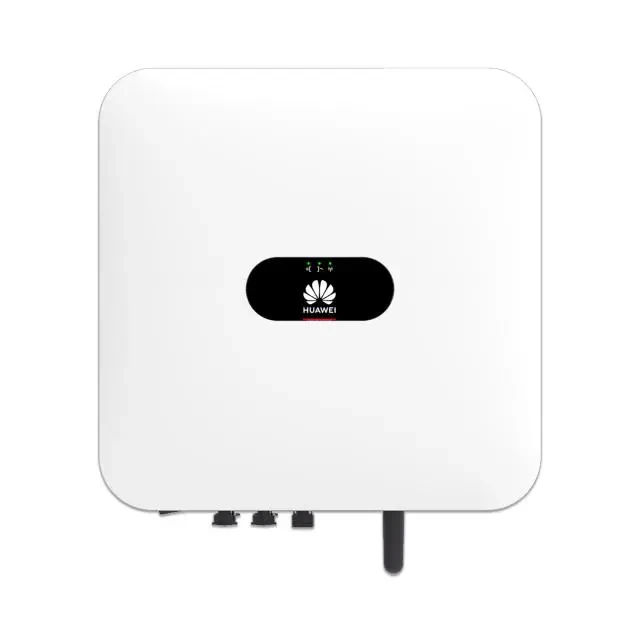
- 5 kW on-grid
- Three-phase
- IP65 sealed
- 98.8% peak efficiency
- Premium on-grid
Livoltek 10kW
On-grid
Rs 130,000
Rs 13,000/kW
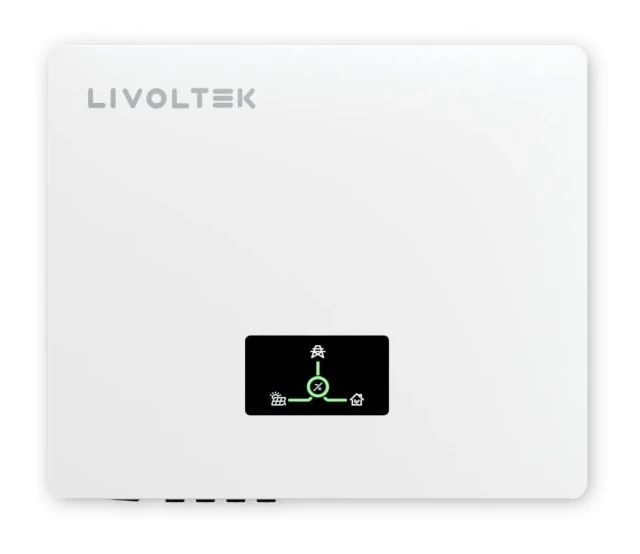
- 10 kW on-grid
- Cheapest 10 kW on-grid
- Net metering ready
- Large-home daytime bills
Chint 15kW
On-grid · 3-phase · IP65
Rs 150,000
Rs 10,000/kW
★ Best Value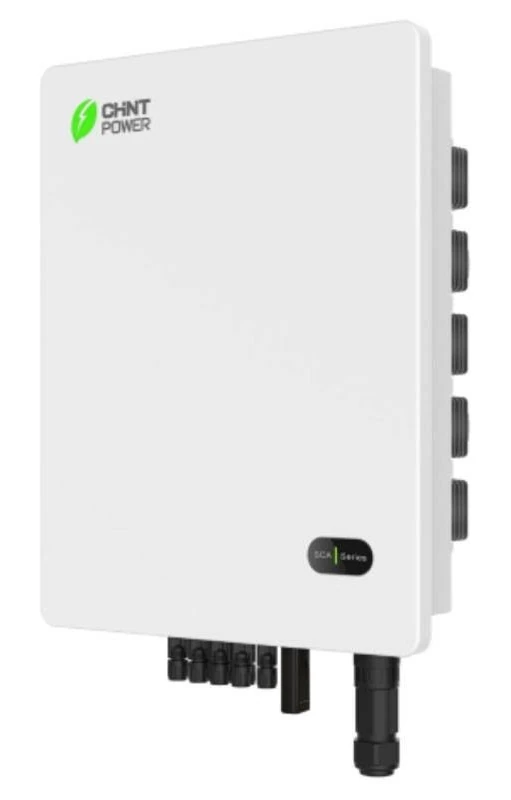
- 15 kW on-grid
- Three-phase
- IP65 sealed
- Lowest per-kW on the page
- Large home + small commercial
Fox T20-G3 20kW
On-grid · 3-phase · IP65
Rs 260,000
Rs 13,000/kW
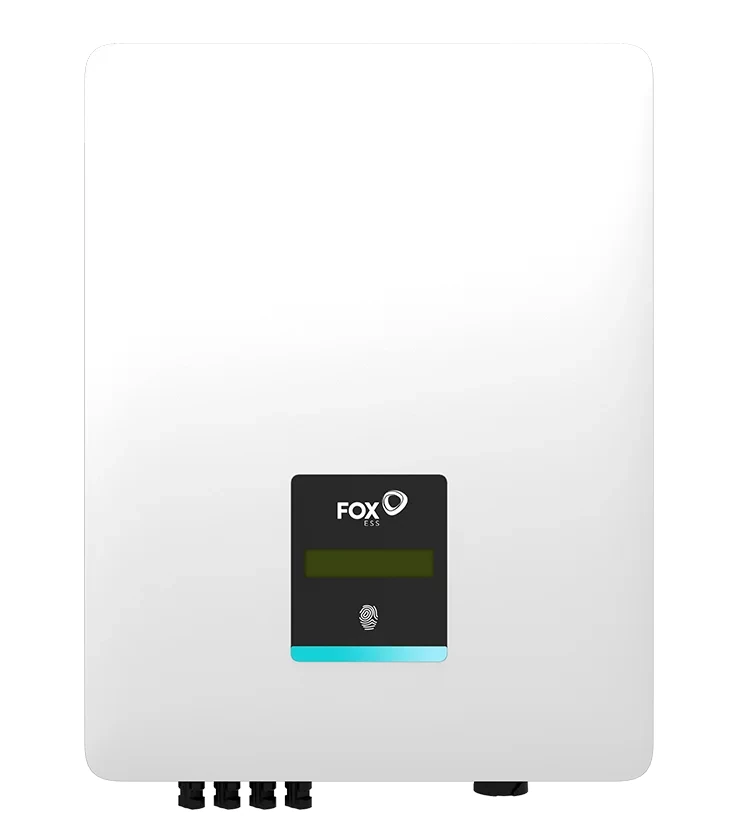
- 20 kW on-grid
- Three-phase
- IP65 sealed
- 10-year listing tag
- Commercial daytime use
Chint 30kW
On-grid · 3-phase · IP65
Rs 300,000
Rs 10,000/kW
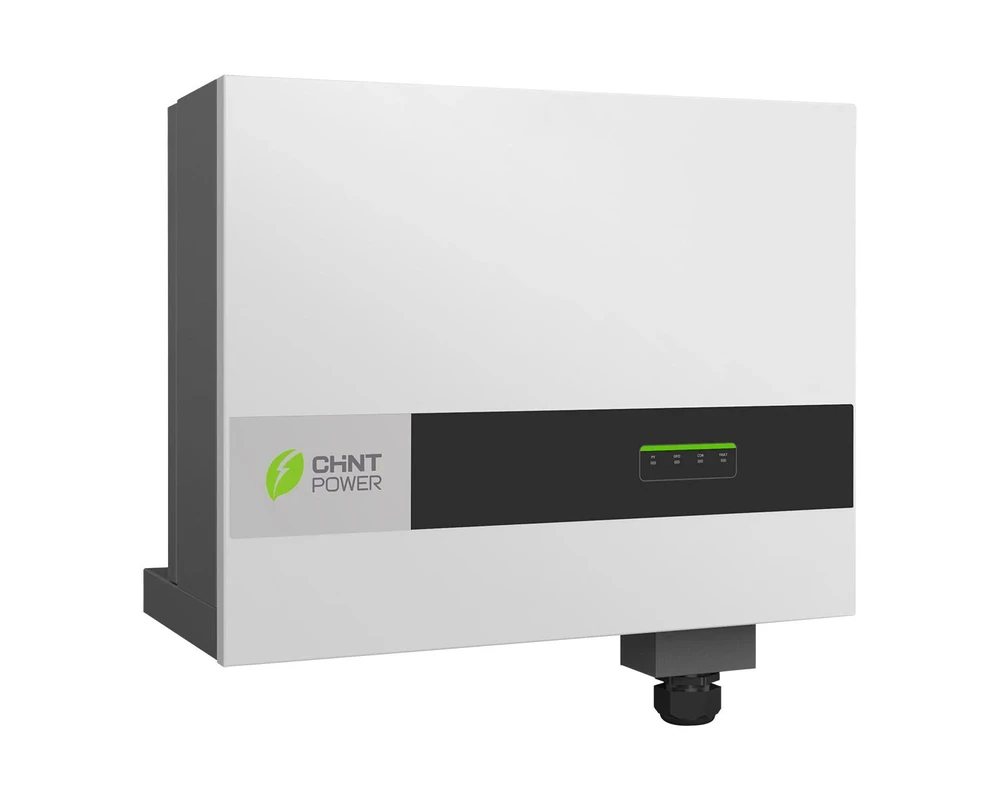
- 30 kW on-grid
- Three-phase
- IP65 sealed
- 5-year listing tag
- Commercial + factory use
The Most Bought Size
5 kW hybrid — the home standard
- Two inverter ACs plus the rest
- Full backup starts here
- Hybrid is the default home choice
- See the 5 kW cards above
Hybrid Costs More — and Keeps the Lights On
The backup you pay for
- 20–50% more than on-grid
- Switches to battery in ~20 ms
- On-grid switches off when the grid drops
- Backup + net billing in one box
Best Value per Kilowatt
Chint 15kW on-grid
- Lowest rupees-per-kilowatt on the page
- Tied exactly with the Chint 30kW
- Badge on the 15kW — the usable size
- Best-value hybrid: Crown Xavier 6kW
Check Before You Pay
Four quick checks at the shop
- Serial on the side sticker, not the box
- Register at the manufacturer portal
- Hologram and approval certificate
- Computerised invoice with stamp
The inverter is the heart of a solar system — it turns the DC power from your plates into the AC power your home uses, and it decides whether your home keeps running during load-shedding. This page lists the solar inverter price in pakistan for every type and size — hybrid, on-grid and off-grid, from 3 kW to 30 kW — with the same day’s rates in the cards above. If you are looking for the inverter price in pakistan for a home system, start with the cards — they are today’s list, and the date is in the heading above them.
Unlike the battery pages, this page’s cards are built from the tracker behind our plate and lithium pages, which has a full inverter section — hundreds of listings across dozens of brands, live data from the morning this page was built. The rates in the cards above are the same day’s figures, updated every morning from dealer listings, and they match the solar plate price in Pakistan homepage for the same models on the same day.
Most of the cards show one fixed price, not a range, because each card is one verified dealer listing for one model. The number under each price — the rupees-per-kilowatt rate — is the price divided by the size. A 5 kW inverter and a 10 kW inverter at the same price are not the same deal: the 10 kW one costs half as much per kilowatt.
And the Best Value badge? That goes to the Chint 15kW on-grid. It has the lowest rupees-per-kilowatt rate on the page — tied exactly with the Chint 30kW, which is a commercial 3-phase unit. The badge sits on the 15kW because it is the size a large home or small commercial site can actually use.
One honest note before you read further: the cheapest rate per kilowatt is not always the best buy for your home. An on-grid inverter has no battery input, so it gives you no backup at all during load-shedding. For a typical home that needs backup, the best-value hybrid is the Crown Xavier 6kW — the cheapest hybrid per kilowatt on the page.
Below the cards you will find hybrid vs on-grid vs off-grid explained, how the brands compare, why the same inverter has different prices, what size you need, and how to check an inverter is genuine. For the two big local brands alone, see the inverex inverter price in pakistan page and the crown inverter price in pakistan page, and for backup-only units, the ups price in pakistan page.
Brands on this page








How to Read the Solar Inverter Price in Pakistan per Kilowatt
Every card shows a rupees-per-kilowatt rate under the price. This is the simplest way to compare inverters. Kilowatt — written as kW — is how much power an inverter can deliver at one time.
Think of it like the size of a water pipe: a bigger kW means more power flowing at once. To get the rate, divide the price by the kilowatts. An inverter with a lower rupees-per-kilowatt rate gives you more power for each rupee you spend.
But there is a catch. The kW on the label is the maximum output, not the type. A 5 kW hybrid and a 5 kW on-grid inverter at the same price are not the same deal — the hybrid also has a battery input and backup, while the on-grid one switches off when the grid drops.
So compare within the same type first: hybrid against hybrid, on-grid against on-grid. Then compare the per-kilowatt rate. That is why the Chint 15kW wins on rate, and why the Crown Xavier 6kW is still the best-value hybrid for a home that needs backup.
Here is a quick example. Imagine two inverters at the same price — one 5 kW, one 10 kW. The 10 kW one costs half as much per kilowatt, because you get twice the power for the same money.
But if the 10 kW one is on-grid and you need backup during load-shedding, it is still the wrong buy. Rate first, type second — and never the other way round.
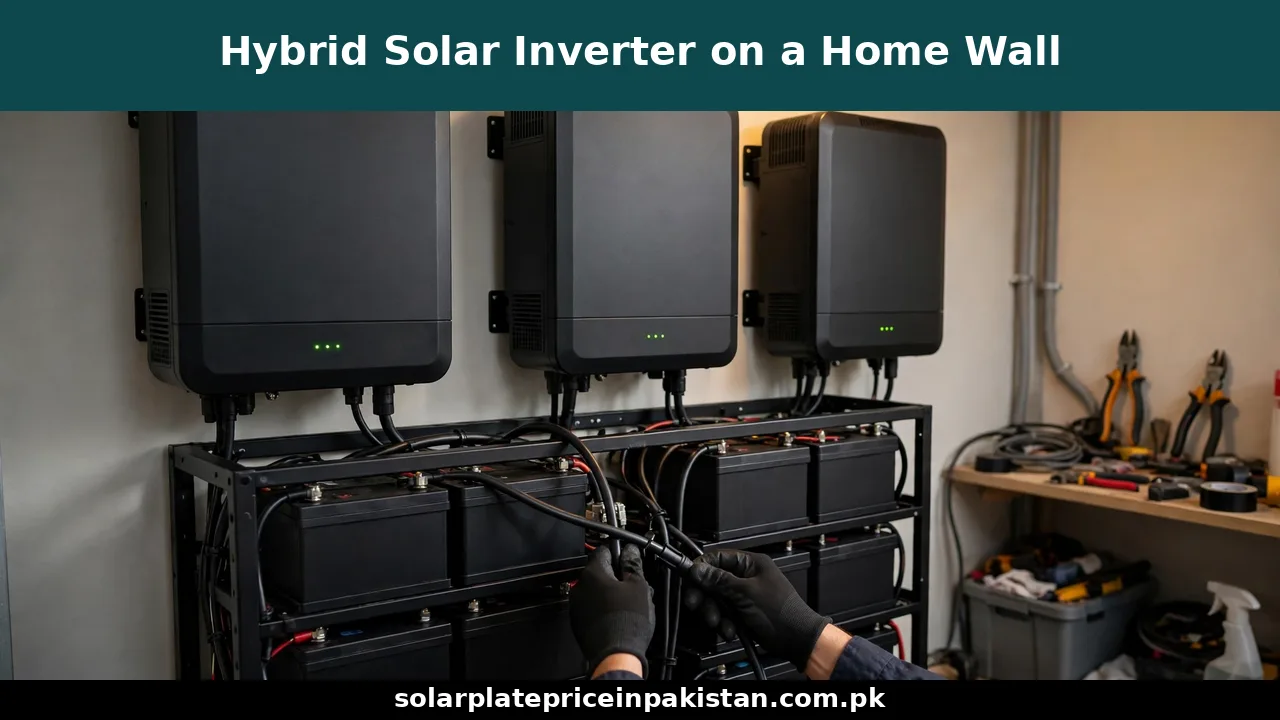
Hybrid, On-Grid or Off-Grid — Which Type Fits Your Home?
Three types, three very different deals. The table below is the consensus across every source opened for this page. When you compare the solar inverter price in pakistan across types, remember you are comparing more than a price tag — you are comparing what happens in your home when the grid drops.
| Spec | On-Grid | Hybrid | Off-Grid |
|---|---|---|---|
| Battery input | No | Yes | Yes |
| Backup during load-shedding | No — switches off | Yes — switches to battery in ~20 ms | Yes — runs entirely on solar + batteries |
| Net metering | Yes | Yes | No |
| Price vs on-grid | Cheapest per kW | 20–50% more | More to size correctly |
| Efficiency | ~98% | ~1.5% less at pure grid-tie duty | Depends on battery size |
| Best for | Lower daytime bills | Backup + net billing (most homes) | Remote homes, tube wells, no grid |
When Hybrid Wins
Hybrid is the most popular inverter type in Pakistan in 2026, and the reason is simple: load-shedding plus net billing makes it the default home choice. A hybrid charges the battery, runs the home during outages, switches to battery within about 20 milliseconds, and manages net-billing exports under NEPRA’s framework.
Choose hybrid if you plan to add batteries within 3 years or need blackout backup — which is most homes.
When On-Grid Wins
On-grid wins when you only want lower daytime bills and never need backup — a home with reliable grid supply, or a commercial site that runs in the day. It is the cheapest per kW, about 98% efficient, and it is all you need for net metering.
Do not buy a hybrid and never fit a battery: you pay 20–50% more for a feature you never use.
When Off-Grid Wins
Off-grid wins where there is no grid at all — remote farmhouses, tube wells, areas with no or absent grid connection. It needs enough battery and plate capacity to cover all loads year-round, so it costs more to size correctly.
Note: some off-grid units do not export at all — the Sako Sunon Pro 5.5kW, for example, does no net metering. A plain backup (UPS-type) inverter at the same size is cheaper but cannot take plates — that is covered on the ups price in pakistan page, not here.
Inverter Brands in Pakistan — Who Makes What
The tracker lists dozens of brands. Knox has the most listings, then Ziewnic, Crown, MaxPower, GoodWe, Inverex, Growatt and Solis. The table below is the comparison across the sources opened for this page — efficiencies and warranties are the sources’ figures, reported as theirs. The solar inverter price in pakistan changes with the brand, because each brand builds for a different buyer — but the dealer’s own verdict is that a genuine unit with a real warranty matters more than the badge.
| Brand | Origin | Peak efficiency | Warranty | Best for |
|---|---|---|---|---|
| Huawei | China | 98.8% | 10 yrs (extendable to 20) | Premium on-grid |
| Growatt | China | 98.0% | 10 yrs vs 5 yrs (conflict) | Value imported |
| Solis | China | 98.7% | 10 yrs vs 5–10 yrs (conflict) | Hybrid, installer favourite |
| Fronius | Austria | 98.7% | 10 yrs + free monitoring for life | Premium commercial |
| Deye | China | 98.0% | 5–10 yrs by model | Most searched hybrid |
| Inverex | Pakistan | 97.8% | 5 yrs | Deepest service network |
| Crown | Pakistan | 97.5% | 3–5 yrs (4–10Y by model tag) | Best value hybrid |
The brands below are the ones buyers actually compare.
Crown
Crown is Pakistan’s best-selling value hybrid — it undercuts imported names by 20–30% while offering dual MPPT, lithium compatibility and IP66 on the Nexus line. Dozens of listings on the tracker, from the small Yorker 2kW up to the Elego Oyster 10kW hybrid.
The value middle is the Xavier 6kW and the Elego 6kW; the premium end is the Nexus 6kW IP66 and the Nova 9.8kW. One conflict: dealer guides put the Xavier II 6kW above the tracker’s Xavier 6kW figure — different listings (Xavier II vs Xavier), report both, never average. Full Crown rates are on the crown inverter price in pakistan page.
Inverex
Inverex has the deepest authorised service network in Pakistan — you pay 10–25% more than Crown at equivalent capacity for that coverage. Twenty listings on the tracker, from the small Veyron II 1200W up to the Nitrox 10kW.
The Nitrox line is the flagship: Nitrox 3, Nitrox 6.6kW, Nitrox 8kW and Nitrox 10kW. The single-dealer listing for “Nitrox 6kW” on one marketplace is a single-dealer outlier, about 50% above the dealer listings. Full Inverex rates are on the inverex inverter price in pakistan page.
Huawei
Huawei is the premium on-grid name: twelve listings on the tracker. Peak efficiency 98.8% — the highest in the comparison table. Warranty is 10 years standard, extendable to 20 — but the tracker’s Sun2000-M1 listings are tagged with a shorter term, so report both figures.
One outlier: a price guide lists the Huawei 5kW on-grid at about double the live listings — never the headline. See the card above for today’s verified figure.
Growatt
Growatt is the value imported name: eighteen listings on the tracker. Warranty is the conflict: 10 years (up from 5 in 2024) on one source against 5 years on another — report both.
A 5 kW Growatt on-grid sits in a wide band across the two guides — report both; the tracker has no 5kW Growatt on-grid listing. See the cards above for the sizes that do have verified listings.
Solis
Solis is the installer favourite for hybrid: eighteen listings on the tracker. Warranty: 10 years on one source, 5–10 years on another — report the range.
The Solis 6kW hybrid carries a price conflict: the tracker lists it below the dealer guides — report the full band, never average. See the cards above for the verified Solis figures.
Sungrow, GoodWe, Fox, Knox, SOFAR, SAJ
Sungrow (5 listings): 10kW on-grid and 15kW on-grid. GoodWe (25 listings): 10kW on-grid, 15kW on-grid, 6kW LCD hybrid and 10kW single-phase hybrid. Fox (16 listings): the cheapest on-grid per kW on the tracker — T5-G3 5kW, T10-G3 10kW and T15-G3 15kW, plus the H1 6kW hybrid and the KH8 8kW hybrid.
Knox (55 listings — the most-listed brand): Krypton Eco 6.2kW, ASW 5000-T on-grid and Krypton 10kW hybrid. SOFAR: 6kW hybrid, 10kW hybrid and HYD 20kW. SAJ: H2 6kW hybrid and H2 10kW hybrid. Warranty on SOFAR and GoodWe conflicts the same way as Huawei: 5 years on one source against a longer tag on the tracker listings — report both.
Deye and Fronius — No Tracker Listing
Deye is one of the most searched inverter brands in Pakistan in 2026, and Fronius is the premium European name — yet the tracker carries zero listings for either. Dealer guides list Deye SUN-5K and SUN-10K hybrids, and Fronius Primo 5.0-1 and Symo 10.0-3-M — but those are guide figures, not tracker listings, so treat them as indicative and confirm with a dealer before paying.
SMA has no verified listing anywhere — named honestly, no price.
Budget Brands — Fronus, Ziewnic, MaxPower, CoreTech, Pilot, Anicsun, Itel
The budget end of the tracker is white-label and local brands: Fronus (8 listings — but the PV 7200 is out of stock and the PV 9000 Meta Series 6kW off-grid is “coming soon”, so neither is buyable); Ziewnic (41 listings); MaxPower (25 listings); CoreTech (7 listings — the 1.6kW PV2200 is the cheapest listing on the whole tracker); Pilot (5 listings); Anicsun (8 listings); Itel (12 listings).
Label these carefully: they are budget lines, not premium brands, and the cheapest listings are often battery-less units — the Lobo 5kW “Battery Less” and the Fronus Meta 6kW “Battery Less” have no battery backup at all.
Why the Same Inverter Costs More at One Shop Than Another
Eight things move the price of the same inverter, and none of them is the inverter itself:
- Brand tier: Crown undercuts imported names by 20–30% at equivalent capacity; Inverex charges 10–25% more than Crown for the deepest service network; Huawei, Fronius and Deye sit at the premium end. A 5 kW hybrid can cost very different amounts at two shops — and both figures are real, for different brands.
- Capacity: price rises with kW, but not linearly — a 10 kW inverter is not twice the price of a 5 kW inverter, because the case, display, MPPT and protection are shared. Always compare rupees per kW, not rupees per inverter.
- Hybrid vs on-grid: hybrid costs 20–50% more than the equivalent on-grid, and is about 1.5% less efficient at pure grid-tie duty. You pay for the battery input and the backup.
- IP rating: IP21 is indoor only and cheapest; IP54/IP65/IP66 is dust and water sealed for outdoor or dusty installs, and costs more. IP66 in a clean indoor room is money spent on protection you will never need.
- Warranty length: 2 years on budget brands, 3–5 years on Crown and Knox, 5–10 years on the imported names — and the figures conflict by source, so report the range and check the listing tag.
- MPPT count: dual MPPT handles a roof with more than one face — one MPPT per string orientation — and costs more than single MPPT.
- Grey-market vs authorised dealer: sub-range prices come from grey-market importers — technically working stock, but with no dealer-honoured warranty. Authorised-dealer pricing sits mid-range. A low quote for a branded unit deserves a check for authenticity.
- Dollar rate: inverter prices fluctuate with international market rates and the PKR/USD exchange rate — and with import duties. That is why the same model costs different amounts in different months.
Picking the Right Size Inverter for Your Home
Size the inverter to your load, not to your budget. A too-small inverter trips on motor starts; a too-big inverter wastes money and clips less of your plates’ output than you paid for. Then work out your system size with the solar load calculator and match the inverter to that load — and check the solar inverter price in pakistan for that size in the cards above.
Sizing Formula — Continuous Load × 1.25 + Motor Start
The rule every source uses is: continuous load × 1.25 margin, and never select an inverter at exactly 100% of load. Then check motor starts: a fridge compressor draws about 3× its running watts, a 1 HP water motor about 3×, an inverter AC soft-starts at about 1.5×.
Take the larger of (continuous × 1.25) and (running load + largest motor’s start surge). Worked example: 3 fans, 6 LED bulbs, TV, fridge, 1.5-ton inverter AC, laptop and router = 2,114 W running. × 1.25 = 2,643 W; at motor start 2,864 W — so buy a 3 kW inverter.
Inverter Size by Home Size
| Home | Load | Inverter size |
|---|---|---|
| Small home | Lights, fans, Wi-Fi router, TV | 3 kW |
| Medium home | 1 inverter AC, fridge, fans, lights | 5 kW |
| Large home | 2 ACs, fridge, water motor, fans, lights | 6–10 kW |
| Commercial | Shops, offices, factories — 3-phase loads | 15–30 kW, 3-phase |
How Many Plates Per Inverter
Plate DC should be ≥ inverter AC, with a DC/AC ratio of 1.15–1.3 — the sweet spot across every source. A 5 kW inverter takes 5–6.5 kW of plates (9–11 × 585W); a 6 kW inverter takes 6–7.8 kW (11–13 × 585W).
Oversizing far beyond that causes more clipping losses — a 5 kW inverter with a 10 kW array is far too much, and the extra plates’ output is simply lost. Most makers allow 130–150% DC oversizing; the Crown Nexus 6kW supports 200% (12 kW of plates on a 6 kW inverter).
Single-Phase vs Three-Phase
Single-phase inverters cover up to about 10 kW; three-phase is needed above a 7 kW sanctioned load, above 8–10 kW, and for factories and commercial sites. Do NOT use three single-phase inverters — it voids NEPRA approval and creates load imbalance.
And the inverter’s AC output must be ≤ your DISCO sanctioned load — a NEPRA 2026 requirement.
What Size for 1 AC?
A 1.5-ton inverter AC is about 1,500 W rated — 1.9 kVA alone, so 2 kW minimum; with fans, lights, fridge, laptop and router, 2.9 kVA — so 3 kW. Two ACs need 5 kW.
And kVA is not the same as kW: hybrids quote kW at unity power factor (a “5 kW” unit is 5 kVA), but older off-grid units rated in kVA at 0.8 power factor give only 4 kW from 5 kVA — go one size up.
For the full breakdown — plates, inverter, structure, wiring and net-metering costs — see the solar system price in Pakistan page. Under net billing, a hybrid system with batteries — which stores the daytime units for the evening instead of exporting them cheap — pays back faster than an on-grid system of the same size: self-consumed units offset the bill at the full retail slab rate, while exports are credited at only a small fraction of what imports cost.
Inverter Technology in Plain Words
Before you compare the solar inverter price in pakistan across brands, it helps to know what the numbers on the box mean. Five things decide how an inverter behaves on your roof and in your home.
MPPT — One Per Roof Face
MPPT maximises output in low sunlight and manages battery charging; PWM is for small systems and less efficient. Dual MPPT handles a roof with more than one face — one MPPT per string orientation.
The Crown Xavier II carries 100A MPPT, 120A on the 6kW model. If your roof faces two directions, you need two MPPTs — a single-MPPT inverter will waste the output of one face.
IP Ratings — IP21 Indoor Only vs IP65/IP66 Outdoor
IP21 means indoor only — Crown Yorker and Xavier, Knox Krypton Eco. IP54, IP65 and IP66 mean dust and water sealed for outdoor or dusty installs — Crown Nexus IP66, Solis IP66, GoodWe IP66, SAJ H2 IP66, SOFAR IP66, Hoymiles IP66.
Dust is what actually kills inverters in Pakistan, not age. An inverter on a south-facing wall in June can see ambient above 50°C — choose a shaded, ventilated mounting location. IP66 in a clean indoor room is money spent on protection you will never need.
Efficiency — 97.2–98.8%
Peak efficiency across the comparison table: Huawei 98.8%, Solis 98.7%, Fronius 98.7%, Sungrow 98.6%, SOFAR 98.4%, GoodWe 98.2%, SAJ 98.1%, Growatt 98.0%, Deye 98.0%, Inverex 97.8%, Canadian Solar 97.6%, Crown 97.5%, Knox 97.2%. Those are the comparison table’s figures, reported as theirs.
In practice the difference between 97.5% and 98.8% is about 1% of your daily generation — real, but smaller than the difference between a genuine unit and a grey-market one.
Dual Output and Load Prioritisation
Dual output splits circuits into heavy and essential — when the grid drops at night, the inverter cuts the AC and keeps fans, lights, fridge and router running. The Crown Yorker 5kW’s key feature is exactly this.
If your inverter has no dual output, a night-time outage either runs everything until the battery dies, or nothing at all.
Battery Communication — CAN/RS485, Not Voltage Alone
The battery must talk to the inverter’s battery management system over CAN or RS485 — a “lithium compatible” label alone is not enough. Check the inverter’s approved battery list and get written compatibility confirmation before you buy.
Crown Nova works best with Crown CLB batteries; Inverex Nitrox auto-syncs with the Inverex Power Cube; Solis, GoodWe and Sungrow support most open-standard LiFePO4 packs. A pack not on the inverter’s supported list loses closed-loop control. Full battery rates are on the lithium battery price in pakistan page and the tubular battery price in pakistan page.
Four Checks That Prove an Inverter Is Genuine
Checking the solar inverter price in pakistan is only half the job. The other half is making sure the inverter in your hands is genuine. Fake and refurbished inverters are common in every bazaar, and they look right until they die in six months. Here are the checks that matter.
1. Serial Number on the Side Sticker — Not the Box
Locate the serial number on the inverter’s side sticker, not the box — box labels are easily switched. A genuine serial is printed on the unit itself.
2. Register at the Manufacturer Portal
Register the serial at the manufacturer portal: Huawei FusionSolar, Growatt ShinePhone, Solis SolisCloud, Fronius SolarWeb. A genuine serial completes registration; a fake returns “invalid SN” or “already registered elsewhere”.
All warranties require registration at the manufacturer portal within 30 days of installation.
3. Hologram and Approval Certificate
Check the anti-counterfeit hologram — Huawei’s QR + rainbow foil combo, Growatt’s scratch panel with a unique code — and verify the approval certificate PDF matches the exact model and firmware family.
Ask for original packaging with undamaged box seals: B-grade and refurbished units usually arrive in generic cartons.
Red Flags — Walk Away
Be sceptical of any 6 kW hybrid far below the cards above from an unfamiliar brand — something is missing: genuine dual MPPT, real surge capacity, or an honest warranty. Skip IP21 units marketed without a clear indoor-only warning, and three-phase units sold for single-phase connections.
Grey-market units — bought in bulk from clearance sales or unauthorised distributors abroad — have no functioning warranty path once they land in Karachi. A low quote for a branded unit deserves a check for authenticity.

Where to Mount Your Inverter — and What Protection It Needs
Where the inverter sits decides how long it lives. Get the spot wrong and even the best brand dies early.
Where to Mount It
Mount the inverter in shade, with ventilation, and never in direct sun on a south-facing wall — an inverter on a south-facing wall in June can see ambient above 50°C. Dust is what actually kills inverters in Pakistan, so a dusty install needs IP65/IP66 sealing or a clean indoor room.
Leave clearance around the unit for airflow, and keep it away from gas cylinders, stoves and generator exhaust.
DC Protection
Between the plates and the inverter, and between the battery and the inverter, NEPRA’s 2026 rules and the PEC code require a DC isolator, a DC breaker, a DC surge protector, a DC fuse and cabling. Every reputable inverter warranty requires this protection.
A battery isolation switch (PEC-required visible-break disconnect) combines the isolator and the breaker. Ask your installer for the protection cost in writing, because a missing breaker can void the inverter warranty.
Net-Metering Application
NEPRA rejects net-metering applications with non-approved inverters. The 2026 approved list includes Huawei SUN2000, Growatt MIN/MAX/MOD/SPH, Solis S6/S5, Fronius Primo/Symo, SolaX X1/X3, Deye SG/SUN, Sungrow SG, GoodWe and SolarMax — with Sungrow, SOFAR, Inverex, Crown, Knox, SAJ and Canadian Solar also listed as compliant on another source.
Approval lists change — a model approved last year is not guaranteed to still be listed — so ask the vendor for the current approval PDF before ordering. And the inverter’s AC output must be ≤ your DISCO sanctioned load — a NEPRA 2026 requirement. Do not present an “AEDB approved list” as current: AEDB was dissolved into PPIB in July 2023, and the governing rules are NEPRA’s Prosumer Regulations 2026 (S.R.O. 251(I)/2026).
Batteries and Inverters — What Must Match
The battery must match your inverter’s voltage and charging settings. For systems below 10 kW, 48V LFP is the standard; for larger systems, 400V high-voltage. The battery must talk to the inverter’s BMS over CAN or RS485 — a “lithium compatible” label alone is not enough; check the inverter’s approved battery list and get written compatibility confirmation.
Never mix lithium and tubular batteries on one inverter: their charge profiles are different, and mixing them damages both. Between the battery and the inverter, NEPRA’s 2026 rules and the PEC code require a DC isolator, a DC breaker, a DC surge protector, a DC fuse and cabling — ask your installer for that protection cost in writing, because a missing breaker can void the battery warranty.
Compare battery rates on our lithium battery price in Pakistan page, our tubular battery price in Pakistan page, and our phoenix battery price in Pakistan page before you choose.
Tax and the Small Print on an Inverter Quote
No inverter-specific GST or duty figure was verified in any source, so this page states none. What is verified is the basis of every figure on this page: the card figures are dealer list prices from the tracker’s live listings and dealer-guide sources, each labelled with its source and date in the research record above.
Always ask your dealer whether the quoted price includes GST and whether it includes installation and delivery — a quote that excludes any of them will look cheaper by exactly that much, and all of them are still payable. For context only: solar plates carry 0% customs duty and 10% GST since July 2025. Dealer guides note only that inverter rates “fluctuate with import duties and exchange rates” — no figure.
About This Solar Inverter Page
Solar Plate Pakistan is an independent price-information website. We are not an authorized dealer or official partner of any brand. Prices on this page come from dealer listings collected each morning — the tracker’s inverter section (hundreds of listings across dozens of brands, live data from the morning this page was built) — and the same model’s price is matched across this page, the homepage and the brand pages on the same day.
Where a row comes from a dealer guide instead of the tracker, it is labelled as such. If a size has no verified listing on the day this page is built, its row is removed rather than filled with a guess.
If this guide to the solar inverter price in pakistan helped you, share it with a friend who is shopping for an inverter too. Questions about this page can be sent through the Contact Us page, or by email at sohaibkhan127222@gmail.com. More about the site on our About Us page and our Our Team page, and read our Disclaimer before you buy.
The rules that govern this page are set by the National Electric Power Regulatory Authority (NEPRA), under the Prosumer Regulations 2026 (S.R.O. 251(I)/2026).
Frequently Asked Questions
What is the solar inverter price in Pakistan today?
See the cards at the top of this page for today’s inverter prices. Each card shows one inverter, its price and its per-kilowatt rate. The cards are updated every morning from dealer listings, and the date is in the heading above them.
How much does a 5 kW solar inverter cost in Pakistan?
See the 5 kW cards at the top of this page — the Crown Yorker 5kW hybrid and the Huawei 5kW on-grid. A 5 kW hybrid costs more than a 5 kW on-grid inverter, because the hybrid has a battery input and backup. A 5 kW hybrid takes 5–6.5 kW of plates (9–11 × 585W).
Hybrid or on-grid inverter — which should I buy?
Hybrid if you need backup during load-shedding or plan to add batteries within 3 years — it switches to battery within about 20 milliseconds and manages net-billing exports. On-grid if you only want lower daytime bills and never need backup — it is the cheapest per kW, about 98% efficient, and all you need for net metering. Hybrid costs 20–50% more than the equivalent on-grid.
What size inverter do I need for my home?
Take your continuous load × 1.25, then check motor starts (fridge about 3×, water motor about 3×, inverter AC about 1.5×) and take the larger figure. A small home needs 3 kW, a medium home with one inverter AC needs 5 kW, a large home with two ACs needs 6–10 kW, and commercial 3-phase loads need 15–30 kW. Or work it out with the solar load calculator.
Can a 5kW inverter run a 1.5-ton AC?
Yes, easily. A 1.5-ton inverter AC is about 1,500 W rated — 1.9 kVA alone, so 2 kW minimum; with fans, lights, fridge, laptop and router, 2.9 kVA — so 3 kW. A 5 kW inverter runs two ACs plus the rest of the home.
How many solar plates can a 5kW inverter take?
5–6.5 kW of plates (9–11 × 585W), at a DC/AC ratio of 1.15–1.3. A 6 kW inverter takes 6–7.8 kW (11–13 × 585W). Do not oversize far beyond that — a 5 kW inverter with a 10 kW array wastes the extra plates’ output through clipping.
Is Huawei worth more than Growatt?
Huawei’s peak efficiency is 98.8% against Growatt’s 98.0%, and Huawei’s warranty is 10 years (extendable to 20) against Growatt’s 5–10 years — but a Huawei 5kW on-grid costs more than a Growatt 5kW on-grid. The 1% efficiency difference is smaller than the difference between a genuine unit and a grey-market one — buy the genuine unit, whichever brand you choose.
How do I check an inverter is genuine?
Check the serial number on the inverter’s side sticker, not the box; register it at the manufacturer portal (Huawei FusionSolar, Growatt ShinePhone, Solis SolisCloud, Fronius SolarWeb) — a fake returns “invalid SN” or “already registered elsewhere”; check the anti-counterfeit hologram; and verify the approval certificate PDF matches the exact model and firmware family. All warranties require portal registration within 30 days of installation.
Does my inverter need to be NEPRA-approved for net metering?
Yes — NEPRA rejects net-metering applications with non-approved inverters, and approval lists change, so ask the vendor for the current approval PDF before ordering. The inverter’s AC output must also be ≤ your DISCO sanctioned load. Do not rely on an “AEDB approved list” — AEDB was dissolved into PPIB in July 2023.
Can I use a hybrid inverter without a battery?
Yes, a hybrid inverter works without a battery — but then you are paying 20–50% more than an on-grid inverter for a feature you never use, and you get no backup during load-shedding. And beware the battery-less trap: the cheapest listings — Lobo 5kW “Battery Less” and Fronus Meta 6kW — have no battery backup at all and are not hybrid prices. See our Disclaimer.