JA Solar Plate Price in Pakistan

JA Solar Plate Price in Pakistan — 23 November 2026
JA DeepBlue 4.0
N-Type TOPCon Bifacial
Rs 22,534
Rs 38.5/W
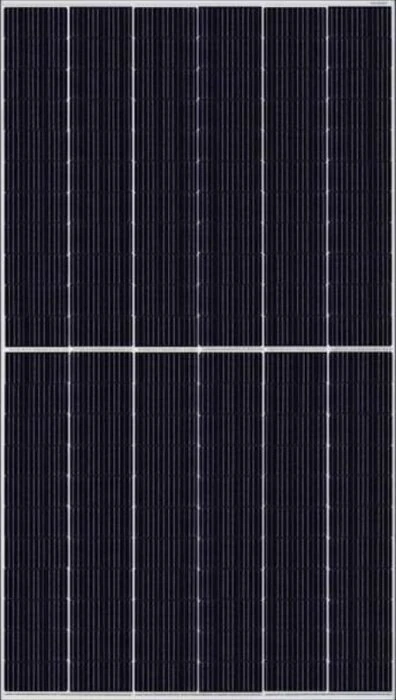
- N-Type TOPCon bifacial cells
- Power from both sides
- Double glass
- Most sold JA size in Pakistan
- A-grade, documented
- 15-year product warranty
- 30-year performance warranty
JA DeepBlue 4.0
N-Type TOPCon Bifacial
Rs 22,125
Rs 37.5/W
- N-Type TOPCon bifacial cells
- Power from both sides
- Double glass
- A-grade, documented
- 15-year product warranty
- 30-year performance warranty
JA DeepBlue 4.0
N-Type TOPCon Bifacial
Rs 23,577
Rs 38.6/W

- N-Type TOPCon bifacial cells
- Power from both sides
- Double glass
- A-grade, documented
- 15-year product warranty
- 30-year performance warranty
JA DeepBlue 4.0
N-Type TOPCon Double Glass
Rs 22,875
Rs 36.6/W
★ Best Value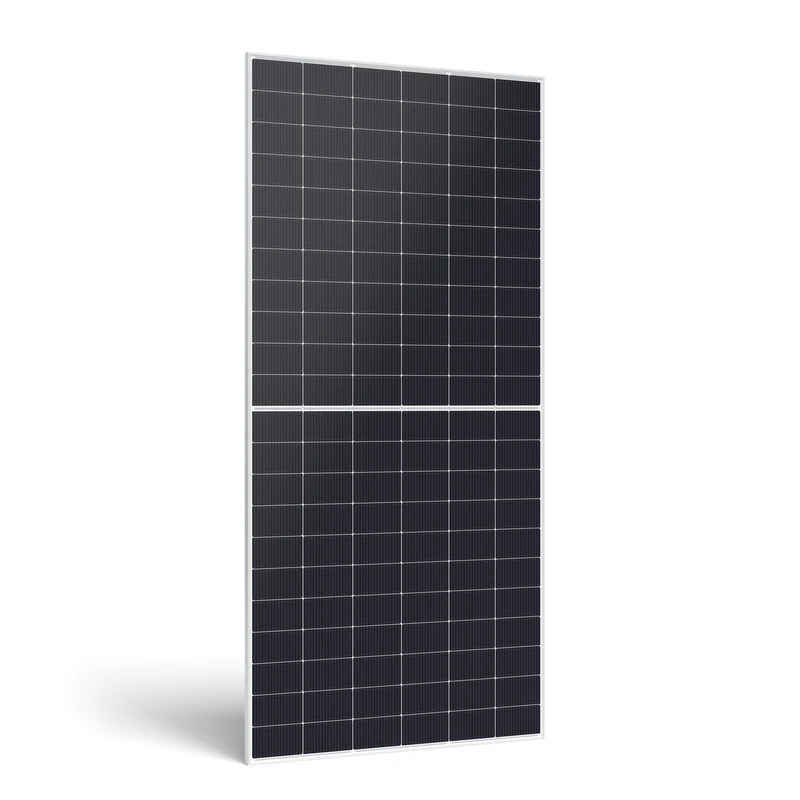
- N-Type TOPCon double-glass cells
- Power from both sides
- Double glass
- Lowest per-watt rate on this page
- A-grade, documented
- 15-year product warranty
- 30-year performance warranty
JA DeepBlue 4.0 Pro
N-Type TOPCon Bifacial
Rs 27,740
Rs 39.1/W
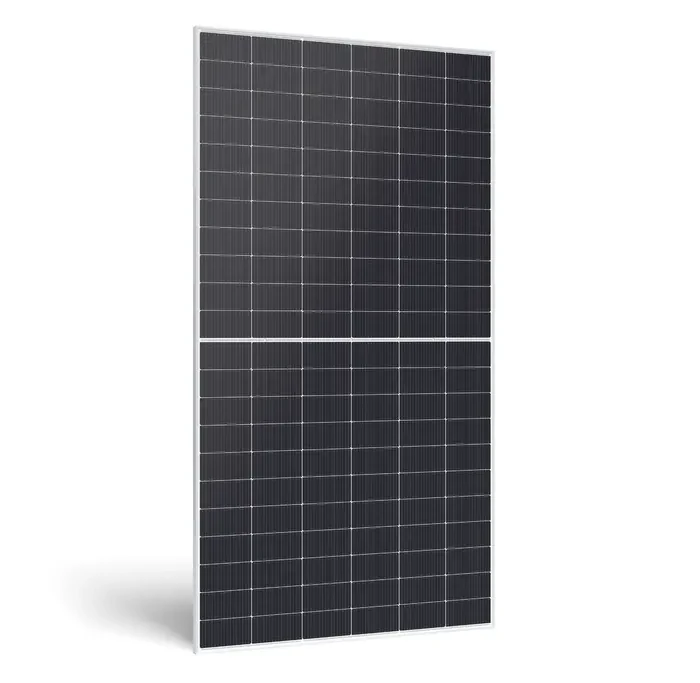
- N-Type TOPCon bifacial cells
- Power from both sides
- Double glass
- A-grade, documented
- 25-year product warranty
- 30-year performance warranty
JA DeepBlue 4.0 Pro
N-Type TOPCon Bifacial
Rs 29,160
Rs 40.5/W
- N-Type TOPCon bifacial cells
- Power from both sides
- Double glass
- Commercial size — for big roofs
- A-grade, documented
- 25-year product warranty
- 30-year performance warranty
DeepBlue 4.0 Pro flagship
Advanced BYCIUM+ cells, reported module efficiency 23.2% — among the best TOPCon plates.
Since 2005
Founded by Jin Baofang, with 280 GW reported shipped by early 2025.
Updated daily
Every price in the slider above comes from that day’s verified dealer listings — never guessed.
Why JA Solar Costs Less Per Watt
JA Solar is the cheapest Tier-1 brand most buyers can find in Pakistan. That is the short version of this page. The long version is below — the slider, the size guide, the plain-words guide to DeepBlue, and four checks to spot a real plate.
This page lists the ja solar plate price in pakistan for every JA size with a verified listing today — six sizes, from the small 585W plate to the big 720W plate. Slide through them with the arrows in the slider at the top. Each card shows the model, the price, and the per-watt rate.
Compare the per-watt rate, not the plate price alone. A big plate always costs more, but it can still be cheaper per watt. Or more expensive. The card tells you.
Every section on this page uses the same day’s rates — the slider, the size guide and the city section all show the ja solar plate price in pakistan as listed this morning. Below the slider you will find the plain story: how to pick a size, what DeepBlue means in simple words, how JA grew from a small factory to a world maker, how to check a plate is real, and what else a full system needs. No jargon without an explanation. If a word is new to you, it is explained right where it appears.

Your Roof, Your Size — Six JA Plates to Choose From
JA sells six sizes in Pakistan right now. The smallest is the 585W plate. Then comes the 590W, the 610W, the 625W, the 710W, and the biggest, the 720W.
They are all the same family: N-type cells, bifacial glass, the same long warranties. The difference is size and power.
That makes comparing them simple. There is no older generation mixed in, no single-glass plate hiding among double-glass ones. Every card in the slider is a DeepBlue N-type bifacial plate, and the ja solar plate price in pakistan for each size is on its card in the slider above. Pick the size that fits your roof and your budget, then check its per-watt rate.
The per-watt rate is the fair way to compare them. Take the plate price and divide it by the wattage. That gives you the price of one watt of power. A 720W plate costs more than a 585W plate — of course it does, it makes more power.
But the price per watt tells you which one gives you more power for each rupee. When you compare the ja solar plate price in pakistan across brands, compare the per-watt rate — not the plate price alone. The cheapest per watt today is the 625W card, so it carries the Best Value badge.
How many plates do you need? It depends on your system size. A 5 kW system — the size most Pakistani homes buy — needs nine 585W plates, or nine 590W plates, or nine 610W plates, or eight 625W plates, or eight 710W plates, or seven 720W plates.
Fewer plates means fewer mounts, less wiring, and a shorter day for the fitting team. But bigger plates are heavier and need more roof space each. Measure your roof first.
A 5-marla house with a water tank and a small roof is often better with the smaller 585W plates. A factory roof or a big farmhouse can take the 710W and 720W plates without a problem.
| Plate size | Plates needed for a 5 kW system |
|---|---|
| 585W | 9 plates |
| 590W | 9 plates |
| 610W | 9 plates |
| 625W | 8 plates |
| 710W | 8 plates |
| 720W | 7 plates |
One more thing: the 585W DeepBlue 4.0 is the most commonly listed JA size in Pakistani dealer listings, and the flagship most homes ask for. If you are not sure which size to buy, start with the 585W card in the slider — it is the size most buyers check first. It is the safe middle of the range — small enough to fit a normal roof, and common enough that every dealer stocks it.
A few other JA sizes exist but have no verified listing today, so they are not in the slider. The 600W plate — the size many buyers ask about — has no verified JA listing today, so its card is left out rather than filled with a guess. The same goes for the 605W, 615W, 620W, 630W and 640W plates, which appear on dealer boards only as a range — one price for the whole band — not as a price for a single wattage.
The 545W and 550W DeepBlue 3.0 plates are old stock now, with no fresh listing today. If a listing appears for any missing size, the slider will gain a card, and the ja solar plate price in pakistan on this page will show it the same morning. We never fill a card with a guess.
DeepBlue, BYCIUM+ and Bifacial — the Names in Plain Words
JA plates carry names that sound like code — DeepBlue, BYCIUM+, Bifacial. Here is what each one means, in plain words.
DeepBlue is the name of JA’s plate family. DeepBlue 3.0 is the older generation, built on P-type PERC cells — the 545W and 550W plates dealers still list as old stock. DeepBlue 4.0 is the N-type generation, covering roughly 580–720W.
DeepBlue 4.0 Pro is the flagship of that generation, covering roughly 605–720W, with the 710W and 720W plates on this page. When you compare two JA plates, check three things: the DeepBlue generation, the wattage, and whether the plate is mono-facial or bifacial (dual glass).
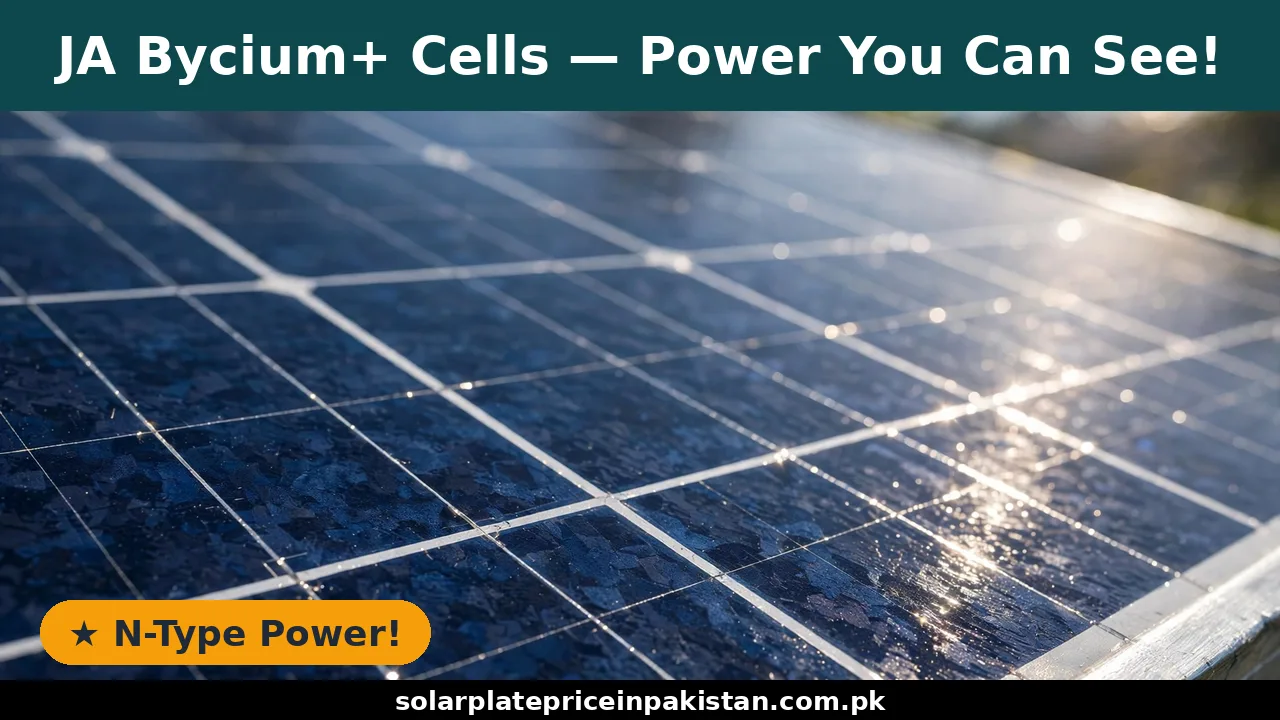
BYCIUM+ is JA Solar’s own version of TOPCon — the cell design inside the DeepBlue 4.0 plates. TOPCon stands for Tunnel Oxide Passivated Contact, and you do not need to remember that. What matters is what it does: it squeezes more power out of the same sunlight, and it loses less power on a hot afternoon. Dealers often write “Bycium+” — the official name is BYCIUM+.
Bifacial means the plate makes power from both sides. The front catches the direct sun. The back catches the light that bounces off your roof. On a white roof, with the plate raised up, the back adds a useful bit of extra power.
On a dark roof, or a plate fixed flat to the roof, the back adds almost nothing. So the gain is real, but only if the plate is mounted right. A monofacial plate makes power from the front only.
Double glass means the plate has glass on the front and glass on the back, instead of a plastic sheet on the back. Glass lasts longer, it does not go yellow in the sun, and it protects the cells better. It also makes the plate heavier — one more reason to check your roof can hold it.
16 busbars is a number you will see on the 585W and 610W listings. A busbar is a thin metal line that carries the power out of the cell. More busbars mean the power has more paths to travel, so less of it is lost on the way. The DeepBlue 4.0 plates use 16 micro-busbars — six more than the usual ten — with a gapless connection between the cells, which JA calls GFI.
JA Solar Plate Price in Pakistan: DeepBlue 4.0 or DeepBlue 3.0 — Which One Fits Your Roof?
DeepBlue 3.0 is the older P-type PERC generation — cheaper per watt, but with lower efficiency and faster wear than the N-type plates. DeepBlue 4.0 is the N-type BYCIUM+ generation — reported efficiency up to 22.4%, a 15-year product warranty, and the mainstream choice for most homes. DeepBlue 4.0 Pro is the flagship — reported module efficiency 23.2%, the highest-performing TOPCon module on the TaiyangNews list — and the best choice for a small roof where every watt counts.
For a typical home, the DeepBlue 4.0 585W is the usual choice; for a tight budget, a DeepBlue 3.0 plate costs less per watt. Compare both rows in the slider above before deciding.
JA Solar’s Road from 2005 to 280 GW
JA Solar was founded in May 2005 by Jin Baofang — previously an electricity bureau official in Ningjin who had also worked in photovoltaics in the 1990s. The company was founded in Beijing, with its manufacturing base in Yangzhou, Jiangsu. It began making solar cells soon after founding, and in 2006 it achieved what was then a world record — 17.8% cell conversion efficiency. It began producing plates in 2010.
In February 2007 JA Solar listed on NASDAQ. In 2018 it was delisted after being acquired by JASO Acquisition Limited, and in 2019 it listed on the Shenzhen Stock Exchange A-share market.
The company grew into a vertically integrated maker — wafers, cells, modules and power stations — with 12 manufacturing bases and more than 20 branches worldwide. Its cumulative shipments are reported at 201 GW as of the first quarter of 2024, and 280 GW by the end of the first quarter of 2025, with a reported 14.5% global market share, and it has been listed on the Fortune China 500 for five consecutive years.
Manufacturing capacity is reported at more than 100 GW for modules, 70 GW for cells and 80 GW for wafers and ingots, and its modules are reported in more than 165 countries. JA Solar is described as the core patent holder of PERC technology — the first company to launch a high-efficiency PERC module, the first to launch a 1500V module, and the first to launch a bifacial PERC double-glass module.
It entered the Australian market in 2013. Solar Plate Pakistan is an independent price-information website. We are not an authorized dealer or official partner of JA Solar, or of any other brand.
The technology story is a series of launches. DeepBlue 3.0 arrived in mid-2020 — the first JA range built on 182mm P-type PERC cells, with gallium-doped wafers reported to cut first-year wear to 2% against up to 3% for boron-doped wafers. DeepBlue 4.0 and 4.0X followed in late 2022, built on N-type silicon with BYCIUM+ cells. DeepBlue 4.0 Pro is the current flagship, with reported mass-production module efficiency of 23.2% and mass-production power reaching 635W in 2023.
DeepBlue 5.0 is the newest generation, now listed on JA Solar’s official homepage product centre alongside DeepBlue 4.0. No datasheet figures are verified for the 5.0 series, so this page states none. Warranties vary by model — DeepBlue 3.0: 12-year product and 25-year performance; DeepBlue 4.0X: 15-year product (extendable to 25) and 30-year performance; DeepBlue 4.0 Pro: 25-year product warranty per one source.
Always tie the warranty figure to the exact model. JA Solar is also reported as a consistent “Top Performer” over 5 years on the PVEL (DNV-GL) PV Module Reliability Scorecard, among more than 20 leading brands tested.
Is Your JA Plate Real? Four Quick Checks
JA is popular, and popular brands get copied. A fake plate looks right, but it makes less power and it has no real warranty. Here are four checks, in the order to do them.
1. Match the serial under the glass with the back label
Every genuine JA Solar plate carries a serial number printed on the back label, with a matching serial sealed under the front glass. Check that both serials match each other and the model and wattage on the label.
2. Check it on JA Solar’s own website
Confirm the plate on JA Solar’s own website — jasolar.eu — and keep the invoice and warranty card that match the plate. Check a few plates from each batch, not just one. Use only JA Solar’s official website for this check; lookalike “verification” sites on the internet are not JA Solar.
3. Ask what the quote includes
Ask the dealer whether the quoted price is for the plate alone or includes delivery, and whether tax is included. A lower plate price that excludes delivery can end up costing more.
4. Buy from a dealer you can return to
A genuine plate from a dealer with a shop you can visit is worth more than a slightly cheaper plate from a seller you cannot find again. The buying guides in the blog explain what else to check.
Beyond the Plate — Inverter, Structure and Fitting
Plates are only one part of a system. A complete system also needs an inverter, a mounting structure, wiring, safety boxes, and installation. The inverter is the box that turns the plate’s power into the power your home uses.
The plate makes DC power — direct current, the kind that flows one way. Your fans and lights run on AC power — alternating current, the kind that flows back and forth. Without an inverter, the plates cannot power your home.
Work out your own size first with the solar load calculator, then use the slider above to price the plates for that size. The ja solar plate price in pakistan on this page is plate-only — the system page adds the inverter, structure and fitting costs.
For full system rates, see the solar system price in Pakistan page. For inverter rates, see the solar inverter price in Pakistan page. For battery rates, see the lithium battery price in Pakistan page.
A 5 kW to 6 kW system suits most Pakistani homes — that is the size where the balance of plates, inverter and battery usually works out best.
Three Reasons Pakistani Homes Pick JA
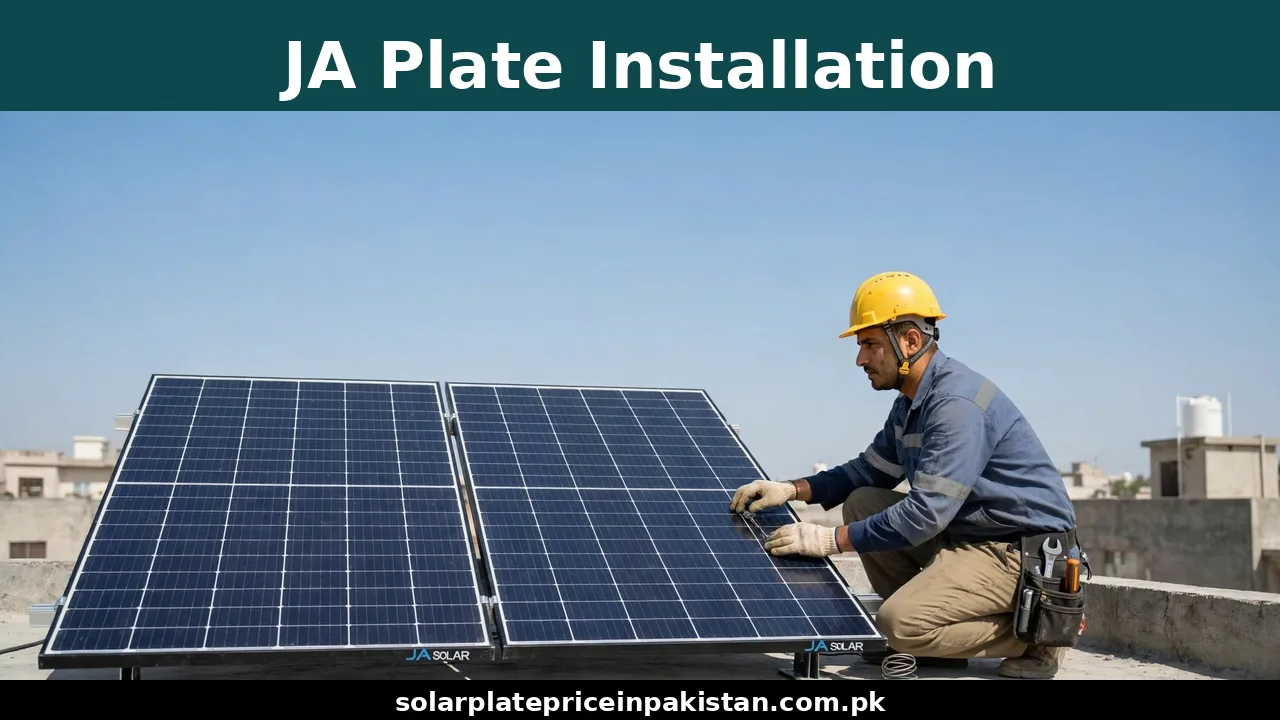
Three reasons explain JA Solar’s popularity here. First, value: JA plates are consistently reported a little cheaper than Jinko and Longi for similar N-type technology, and they are reported to lead on price-to-performance in the 580W–620W range. Second, technology: the DeepBlue 4.0 Pro is reported among the highest-performing TOPCon plates available, with a 25-year product warranty per one source, and the gallium-doped DeepBlue 3.0 plates are reported to wear more slowly than boron-doped ones. Third, availability: JA Solar is one of the most widely stocked Tier-1 brands in the main markets, from the older DeepBlue 3.0 plates to the current DeepBlue 4.0 Pro.
That value shows in the ja solar plate price in pakistan on this page — the 625W card is the cheapest per watt of the six. That does not make JA the right plate for everyone — Jinko, Longi, Canadian Solar, Trina and Inverex all compete in the same Tier-1 group, and the right choice depends on your roof, your load and the day’s per-watt rates. Compare them on our Jinko, Longi, Canadian Solar, Trina and Inverex price pages.
JA Solar Plate Price in Pakistan by City
The ja solar plate price in pakistan differs by city. Wholesale and retail rates are not the same everywhere, and transport adds to the cost outside the main markets.
A plate bought in Lahore’s wholesale market is usually cheaper than the same plate delivered to a small town, because the dealer there pays for the truck. See the city pages for the same day’s snapshot: Lahore | Karachi | Peshawar | Multan | Faisalabad. City rates are indicative — always confirm the final quote with a dealer in that city before paying.
Before You Go — a Quick Note
Solar Plate Pakistan is an independent price-information website. We are not an authorized dealer or official partner of JA Solar, or of any other brand. The ja solar plate price in pakistan on this page comes from dealer listings collected each morning, and the same model’s price is matched across this page, the homepage and the wattage pages on the same day.
Questions about this page can be sent through the Contact Us page, or by email at sohaibkhan127222@gmail.com. More about the site on our About Us page and our Our Team page.
Frequently Asked Questions
What is the JA Solar plate price in Pakistan today?
See the slider at the top of this page. Slide through the six sizes with the arrows. The slider is updated every morning from dealer listings, and the date is in the heading above it.
Which JA model is best for a home?
For most homes the DeepBlue 4.0 585W is the flagship, but the DeepBlue 4.0 610W and DeepBlue 4.0 Pro 720W plates suit other roofs and budgets. Compare the ja solar plate price in pakistan across the six cards in the slider above — the per-watt rate tells you which size gives you more power for each rupee. Work out your system size first with the Solar Load Calculator, then choose the wattage.
DeepBlue 4.0 Pro or DeepBlue 3.0 — which is better?
DeepBlue 4.0 Pro is the N-type flagship with reported module efficiency 23.2%; DeepBlue 3.0 is the older P-type PERC generation, cheaper per watt but with lower efficiency and faster wear. For most homes, DeepBlue 4.0 Pro is the better choice.
Does the JA price include installation?
No. The slider on this page is plate-only. Inverter, structure, wiring and installation are separate — see the system price page.
How do I check a JA plate is genuine?
Match the serial number sealed under the front glass with the serial on the back label, confirm the plate on JA Solar’s own website (jasolar.eu), and keep the invoice and warranty card that match the plate.
Are these prices a final quote?
No. They are indicative rates from dealer listings. Always confirm the final quote with your dealer before paying. See our Disclaimer.
What is BYCIUM+?
BYCIUM+ is JA Solar’s patented version of the TOPCon cell architecture. It uses GFI (Gapless Flexible Interconnection) between cells and 16 micro-busbars, with reported peak efficiency up to 22.4%.
JA Solar or Jinko — which should I buy?
Both are Tier-1 brands. JA plates are usually reported a little cheaper per watt for similar N-type technology; Jinko’s Tiger Neo leads on N-type TOPCon range. Compare their per-watt rates on our Jinko page and this page before deciding.
Are JA plates good for Pakistan’s heat?
Yes. JA plates are reported with a temperature coefficient of −0.30%/°C, so they lose less output in summer heat, and the gallium-doped DeepBlue 3.0 wafers are reported to wear more slowly than boron-doped ones.
Where can I see JA prices in my city?
See our city pages for Lahore, Karachi, Peshawar, Multan and Faisalabad, linked in the city section above.