
720 Watt Solar Plate Price in Pakistan

The 720W plate is the biggest plate most Pakistani homes will ever need — and here is the honest truth no competitor page tells you: it is a commercial-size plate, built for factories, plazas and big homes, not for a small house roof. This page lists the 720 watt solar plate price in pakistan for the nine brands with verified listings, with the same day’s rates in one place. The rates in the cards below match the solar plate price in Pakistan homepage for the same models on the same day. Below the cards you will find why 720W is a commercial size, how it compares with 585W and 600W, how many 720W plates a home needs, what one plate gives you in a day, and how to check a 720W plate is genuine before you pay.
720 Watt Solar Plate Price in Pakistan — 23 November 2026
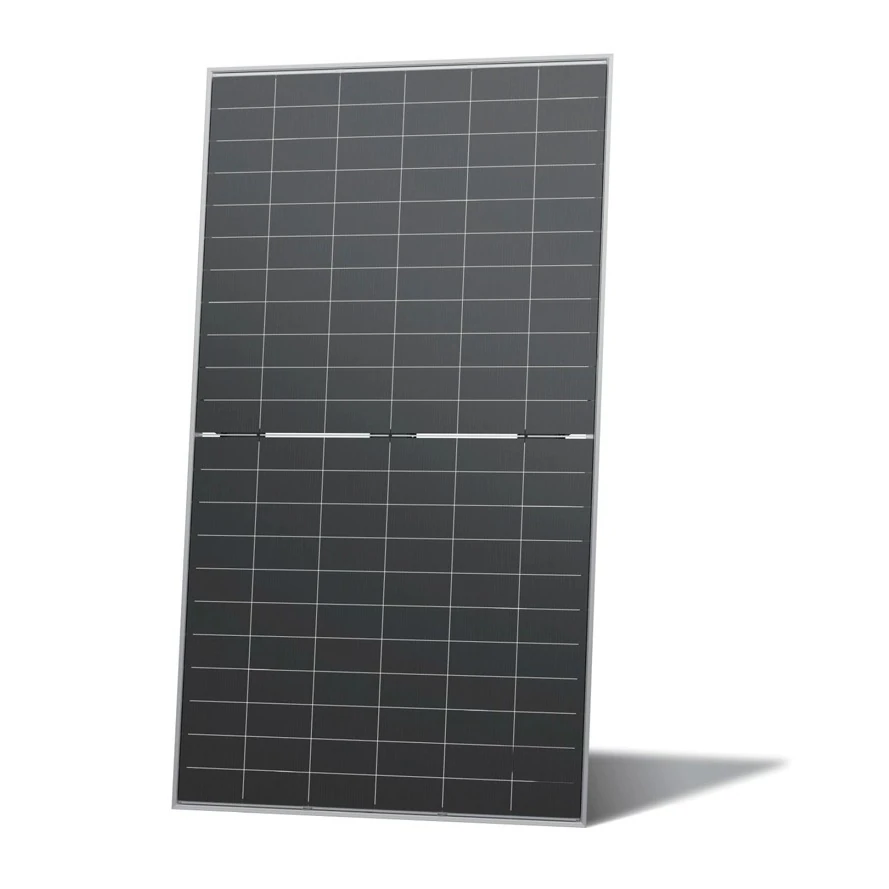
- ✓ N-Type bifacial
- ✓ Double glass
- ✓ A-grade documented
- ✓ 12-year product warranty
- ✓ 25-year performance warranty
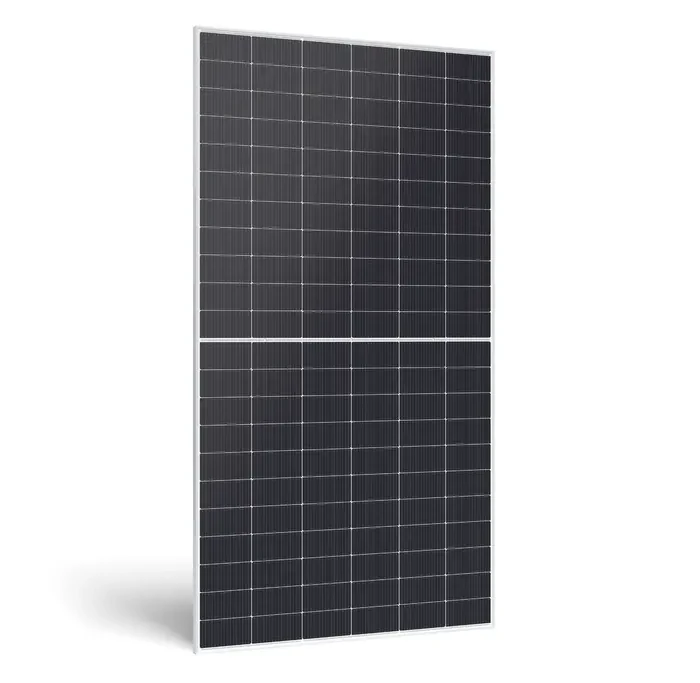
- ✓ N-Type bifacial
- ✓ SMBB half-cell
- ✓ Double glass
- ✓ A-grade documented
- ✓ 12-year product warranty
- ✓ 25-year performance warranty

- ✓ N-Type bifacial
- ✓ i-TOPCon Ultra
- ✓ Double glass
- ✓ A-grade documented
- ✓ 12-year product warranty
- ✓ 25-year performance warranty
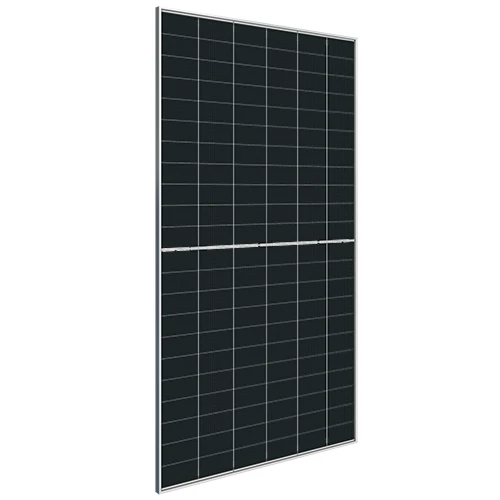
- ✓ N-Type bifacial
- ✓ TOPCon 4.0
- ✓ Double glass
- ✓ A-grade documented
- ✓ 12-year product warranty
- ✓ 25-year performance warranty

- ✓ HJT
- ✓ N-Type bifacial
- ✓ Double glass
- ✓ A-grade documented
- ✓ 12-year product warranty
- ✓ 25-year performance warranty
- ✓ N-Type bifacial
- ✓ Double glass
- ✓ A-grade documented
- ✓ 12-year product warranty
- ✓ 25-year performance warranty
- ✓ N-Type bifacial
- ✓ Double glass
- ✓ A-grade documented
- ✓ 12-year product warranty
- ✓ 25-year performance warranty
- ✓ N-Type bifacial
- ✓ Double glass
- ✓ A-grade documented
- ✓ 12-year product warranty
- ✓ 25-year performance warranty

- ✓ Monocrystalline TOPCon
- ✓ Double glass
- ✓ A-grade documented
- ✓ 12-year product warranty
Built for big roofs
A 720W plate is a commercial-size plate — made for factories, plazas and big homes, not for a small house roof.
7 plates make a 5 kW system
Seven 720W plates give you a 5 kW array — two fewer plates than a 585W system needs.
Updated daily
Every price in the cards above comes from that day’s verified dealer listings — never guessed.

A 720W Plate Is Built for Big Roofs, Not Small Ones
Picture two plates side by side on a shop counter. The first is a 585W plate — the size most Pakistani homes buy. The second is a 720W plate. It is longer, wider and heavier, and it holds more cells. That is the whole story of 720W in one picture: it is the same technology, just a bigger plate with more power packed into it.
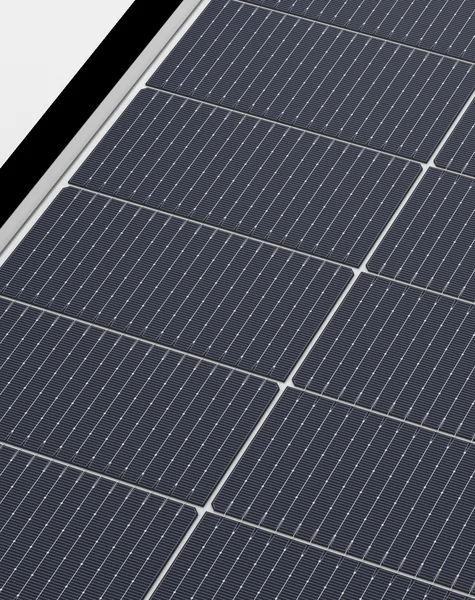
Every 720W plate sold in Pakistan is an N-Type bifacial plate. N-Type is the newer cell type — it loses less power on a hot afternoon and it degrades more slowly over the years than the older P-Type plates. Bifacial means the plate makes power from both sides: the front catches the direct sun, and the back catches the light that bounces off your roof. On a white roof, with the plate raised up, that back side adds a useful bit of extra power. On a dark roof, or a plate fixed flat to the roof, the back side adds almost nothing — so the gain is real, but only if the plate is mounted right.
So who should buy a 720W plate? A factory with a big flat roof. A plaza with a wide rooftop. A farmhouse or a kanal house with a large roof and a big daytime load. A school or a hospital that runs fans and lights all day. If your roof is small — a 5-marla house, for example — a 720W plate is the wrong tool. You will struggle to carry it up the stairs, you will struggle to fit it between the water tank and the parapet, and you will pay more per watt than you would for a 585W plate. For a small roof, the 585W plate is still the right buy. For a big roof, the 720W plate earns its keep: fewer plates, fewer mounts, less wiring, and a shorter installation.
One more honest point: the 720W class is thinly listed. The main dealer-listing tracker has no dedicated 720W page at all, and only one 720W listing in its whole dataset. The nine cards above come from dealers who stock these brands and list them as in stock — and the page is re-checked every morning, because a new listing can appear any day. If the cards above have nine rows, that is the honest picture of the day’s verified listings, not a mistake.
720W Against 585W — Fewer Plates, Bigger Plates
A 720W plate makes 135 watts more than a 585W plate — about a quarter more power from a single plate. That sounds like a clear win, and for a big roof it is. But the comparison is not as simple as “bigger is better”, so here is the fair version.
For a 5 kW system, you need seven 720W plates. The same system needs nine 585W plates. So the 720W system uses two fewer plates — two fewer mounts, two fewer sets of clamps, and a shorter day for the installation team. On a big commercial roof, where the team is fitting dozens of plates, that saving is real money. On a home roof, where the team is fitting seven plates instead of nine, the saving is small.
But the 720W plate costs more per watt than the 585W plate. That is the trade-off, and it is the same trade-off at every size: the bigger the plate, the higher the per-watt rate, because fewer factories make it and fewer dealers stock it. A 585W plate is the most-sold size in Pakistan, so it has the most listings, the most competition, and the lowest per-watt rate. A 720W plate is a specialist size, so it has fewer listings and a higher per-watt rate. If your roof is big enough that the plate count matters — a factory, a plaza, a school — the 720W plate wins. If your roof is a normal home roof, the 585W plate wins on price, and the two extra plates cost you nothing but a little more roof space. See the 585 watt solar plate price in Pakistan page to compare the two sizes side by side, and the 600 watt solar plate price in Pakistan page for the size in between.
The same logic applies to 720W against 600W. A 720W plate makes 120 watts more than a 600W plate — about a fifth more. For a 5 kW system, seven 720W plates do the job of eight or nine 600W plates. But the 600W class is itself thinly listed, and the 585W class is the one with the deepest listings. So the real choice for most buyers is not 720W against 600W — it is 720W against 585W, and the answer depends on your roof, not on the wattage label.
How Many 720W Plates Does Your Home Need?
That depends on your load, not on the plate alone. Work out your load first with our solar load calculator, then divide the system size you need by 720. The sizing maths is simple: the system size you need in kilowatts equals your daily use in kilowatt-hours divided by the peak sun hours, times a derating of 0.80 for real-world losses. Peak sun hours means the hours of full-strength sun in a day — Pakistan averages about 5.5, though the cautious figure to size with is 4.5, so the system does not disappoint you in winter.
Plate Counts and Roof Area for Common System Sizes
One 720W plate produces about 97 units a month at 4.5 peak sun hours — a good deal more than a 585W plate’s 79 units. The plate counts below are for 720W plates, and they include the usual oversizing, because inverters and wiring lose some of the output on the way to your home. Fourteen 720W plates make 10.08 kW of plates — that figure is confirmed by a dealer guide for this size.
| System size | 720W plates needed | Plate capacity (DC) | Roof area needed |
|---|---|---|---|
| 3 kW | 5 plates | 3.60 kW | ~16 m² |
| 5 kW | 7 plates | 5.04 kW | ~22 m² |
| 6 kW | 9 plates | 6.48 kW | ~28 m² |
| 10 kW | 14 plates | 10.08 kW | ~43 m² |
| 15 kW | 21 plates | 15.12 kW | ~65 m² |
| 20 kW | 28 plates | 20.16 kW | ~87 m² |
Each large plate covers about 3.1 square metres, and a home needs roughly 65–70 square feet of roof per kilowatt. The roof area above is for the plates alone — leave walkways between the rows, because someone has to reach the middle plates to clean them. For full system rates, see our solar system price in Pakistan page — the plate cards at the top of this page are plate-only, and the system page covers the inverter, structure, wiring and installation.
What One 720W Plate Gives You in a Day
A single 720W plate is a serious piece of power. On a clear day, it makes about 3.2 units of electricity — enough to run a ceiling fan for a full day, or a fridge for most of the day, or a washing machine for two or three loads. Over a month, one plate makes about 97 units in ideal conditions, or about 78 units once you count the real-world losses in the inverter, the wiring and the heat. That is the same maths as the 585W plate, just scaled up: a 585W plate makes about 79 units a month in ideal conditions, a 720W plate makes about 97.
Here is a concrete example. A home that uses 300 units a month needs about four 720W plates to cover it in theory — but nobody sizes a system that tightly. You size for the cloudy days, the winter days and the losses, so the same home would buy five or six plates. That is why the plate counts in the table above are rounded up: a system cannot use part of a plate, and a system that is slightly too big is far better than a system that is slightly too small.
One warning about the daily output: the “units per month” figure assumes the plate faces south, tilted at about 25–30 degrees, with no shade. A plate in the shade of a water tank, or a plate lying flat on the roof, makes far less. Shade is the enemy of every plate, and it is a bigger enemy for a big plate — one shaded cell can drag down a whole string. So before you buy, walk your roof at noon and mark where the shadows fall. If the only free space is shaded after 3 pm, the plate will not earn its keep there, whatever its wattage.
720W, 725W and 770W — The Big-Plate Ladder
Above 700W, the sizes come in small steps, and the steps matter less than the per-watt rate. Here is the ladder as it stands in Pakistan today.
At the bottom of the ladder sit the 705W and 710W plates — Jinko, JA, Trina and Canadian all make them. Then comes 715W, then 720W, then 725W. The step from 720W to 725W is only 5 watts — the same series, the same size, the same warranty. If a dealer offers you a 725W plate and a 720W plate, buy whichever is cheaper per watt; the 5 watts will not change your bill. The same is true of 730W and 740W, where Trina and Risen are the names to look for.
At the top of the ladder sits the Aiko 770W plate — the biggest plate sold in Pakistan. It is a back-contact plate, which means the cells have no wires on the front, so more of the front catches the sun. It is the right plate when the roof is small and the load is big, and the wrong plate when the budget is tight, because it carries the highest per-watt rate of the lot. Between 720W and 770W there is a gap: no brand sells a 750W plate in Pakistan today. The market jumps from 740W straight to 770W. If a dealer offers you a “750W plate”, ask to see the model on the brand’s own website — it is almost certainly a 740W or 770W plate with a rounded label, or a plate from a brand you cannot verify.
For most buyers, the ladder has a simple answer. If your roof is big and your load is big, buy the 720W plate — it is the cheapest big plate with real listings from nine brands. If your roof is small and your load is big, look at the 770W plate and check the per-watt rate before you commit. If your roof is a normal home roof, step off the ladder entirely and buy the 585W plate — it is cheaper per watt, easier to carry, easier to fit, and it has the deepest listings in the country.
A 720W Plate Is Heavy — Check Your Roof First
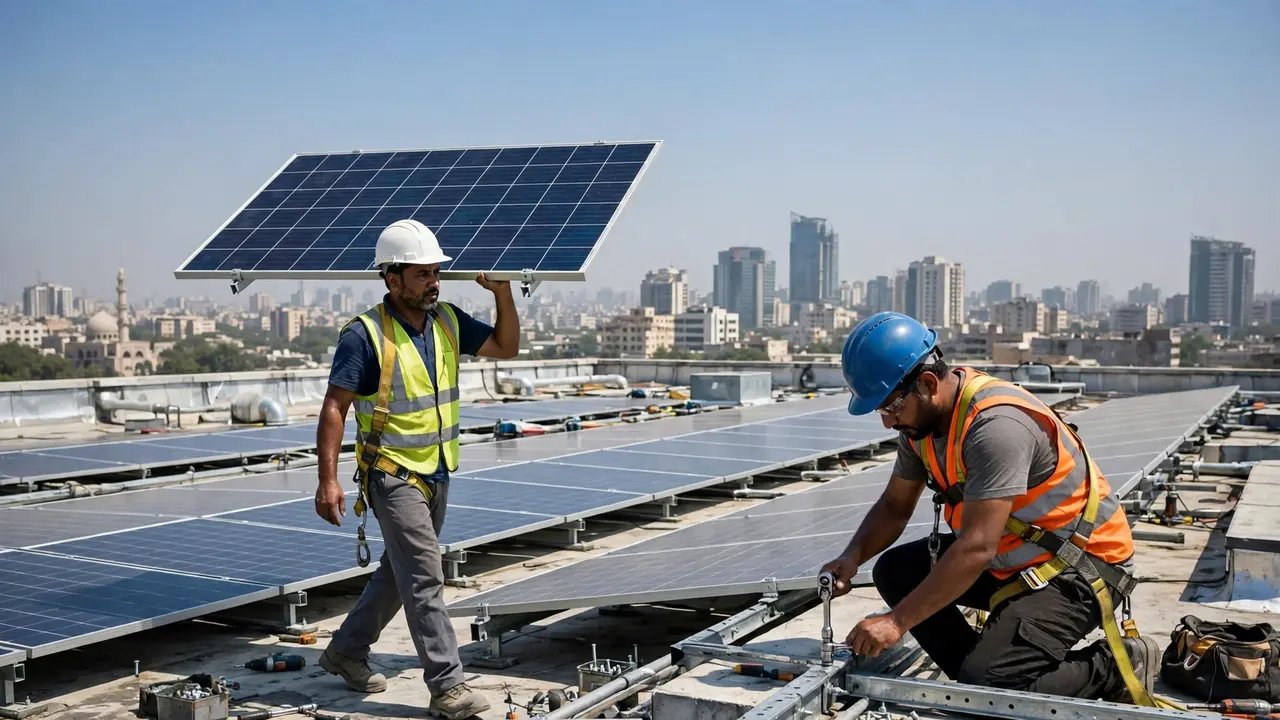
A 720W plate is about 2.4 metres long and about 1.3 metres wide — roughly the size of a single bed. It is the largest plate format in the market, and it is heavy. Two people carry it; one person does not. The stairs to your roof must be wide enough to turn it, the door to the roof must be tall enough to pass it, and the roof itself must be strong enough to hold a full array of them. A 10 kW array of fourteen 720W plates is a lot of weight and a lot of wind area, and it needs a structure built for it — galvanised steel, not aluminium, for a ground mount above 5 kW, and proper anchoring in Punjab, where seasonal winds reach 90 km/h.
The size also changes the installation. A 720W plate needs a wider gap between rows than a 585W plate, because its shadow is longer. It needs a stronger mounting rail, because its span is longer. And it needs more care in handling — a hairline crack in the glass of a big plate is a bigger loss than a crack in a small one. Ask your installer how many 720W plates they have fitted before. If the answer is “none”, you are their first — and a first installation on a big plate is not the place to learn. A good installer will also check the inverter before the plates arrive: a 720W array has fewer plates per string, so the string voltage is lower, but the current is higher, and the inverter’s MPPT range — the voltage window in which it hunts for the best power — must match the array. Check the datasheet of your exact plate and your exact inverter together, before either is bought.
One practical tip: measure your roof before you buy anything. Mark out one plate’s footprint with chalk — about 2.4 by 1.3 metres — and count how many footprints fit with walkways between them. If seven footprints fit with room to walk, a 5 kW array of 720W plates fits. If they do not fit, the 585W plate — smaller, lighter, easier to arrange — is the better buy, even if it needs two more plates.
How to Spot a Fake 720W Plate
Because the 720W class is thinly listed, it is easy to fake — and a fake big plate is a bigger loss than a fake small one. Here are four checks, in the order to do them.
1. Match the serial under the glass with the back label
Every genuine Tier-1 plate carries a serial number printed on the back label, with a matching serial sealed under the front glass, and a matching barcode on the frame sticker. Check that all three match each other and the model and wattage on the label — and check a few plates from each batch, not just one.
2. Check it on the brand’s own website or app
Confirm the plate on the brand’s own website or app — Jinko at cs.jinkosolar.com, Trina at trinasolar.com, JA Solar at jasolar.eu — and do not use a QR code or a link the shop gives you instead. Use only the brand’s official website for this check; lookalike “verification” sites are not the brand. A glass-embedded QR code is genuine; a paper or plastic sticker QR code is fake.
3. Ask for the serial details, flash report and warranty papers
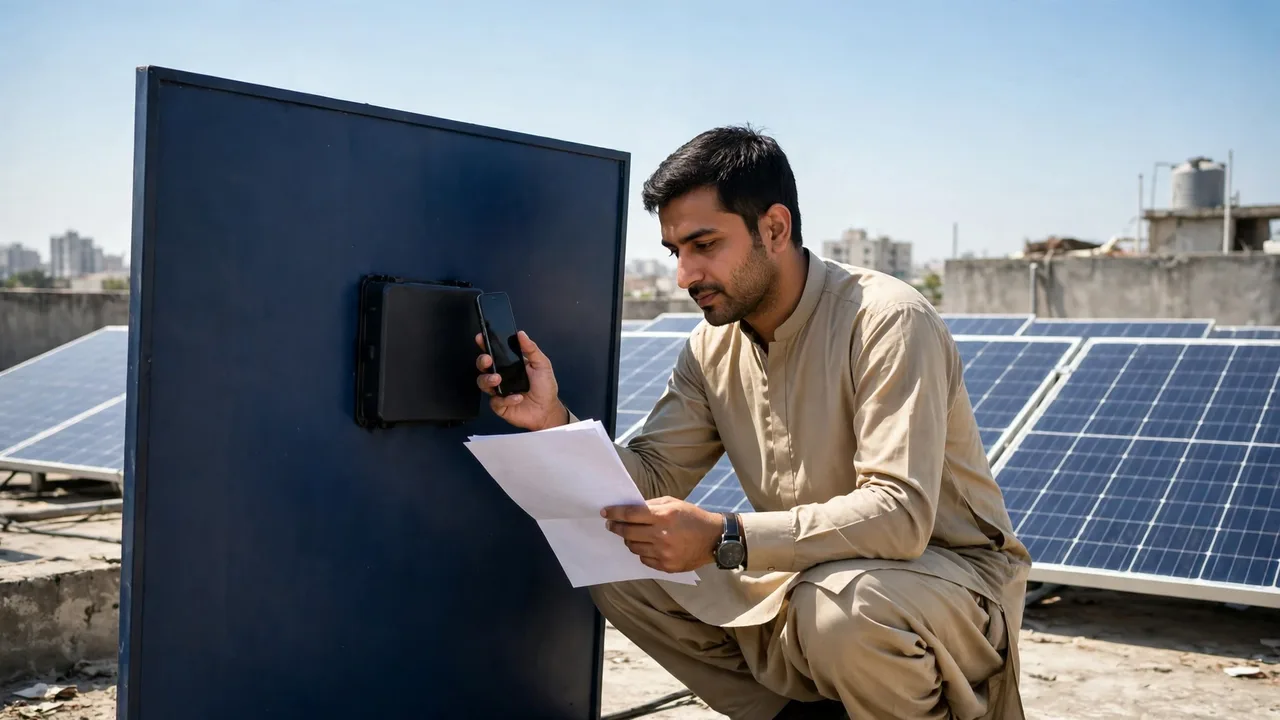
Ask for the serial details, the flash test report, the packing list and the invoice trail that match the plate itself, and check that the wattage, the voltage, the current and the model code on the papers match the plate you are buying. A dealer who cannot produce the papers is a dealer to walk away from. Also check the hardware: an IP68 junction box, stamped MC4 connectors and clean busbar alignment are the marks of a genuine Tier-1 plate — and inspect the glass and frame for hairline cracks. Get a warranty card that names the importer or distributor.
4. Buy from a dealer you can return to
A genuine plate from a dealer with a shop you can visit is worth more than a slightly cheaper plate from a seller you cannot find again. Be extra careful with a 720W plate priced well below the market band for its size — a bargain big plate is usually a B-grade or relabelled plate. The buying guides in the blog explain what else to check.
Which Inverter Fits a 720W Array?
The plate is only half the system. For a 720W array, the inverter decides how much of the plate’s output you actually use: on-grid inverters suit homes with stable supply and daytime load, hybrid inverters suit homes that need backup during load-shedding, and off-grid suits homes with no grid at all. Because a 720W array is usually seven plates for 5 kW or fourteen plates for 10 kW, the strings are short — seven to nine plates per MPPT string is typical — and the string maths is kinder than with 585W plates: fewer plates in series means a lower string voltage, so you are further from the inverter’s maximum input voltage. But check your inverter’s maximum input voltage and its MPPT range before you buy, especially in winter, when cold-weather voltage rises above the standard test figure. Keep strings matched in count and orientation. A bifacial plate needs 10–15 cm of rear ventilation clearance, or the rear gain is lost.
Under NEPRA’s 2026 rules, each string needs its own DC protection — direct current is the kind of power a plate makes, and it needs its own safety gear: a DC breaker sized at 1.25 times the string short-circuit current, a 15–25 A gPV DC fuse, a 1000 V DC surge protector and a DC isolator. The mounting matters too: the tilt should be 25–30° facing south for Pakistan, and a bifacial plate needs 50–100 cm of elevation above a white roof to earn its rear-side gain. In Punjab, seasonal winds reach 90 km/h, so a ground-mount above 5 kW should be galvanised steel, not aluminium. For batteries, dealers stock lithium first, then tubular and Osaka/AGS/Phoenix lead-acid — lithium costs more up front and lasts longer, tubular is the budget backup. Compare inverter rates on our solar inverter price in Pakistan page and battery rates on our lithium battery price in Pakistan page before you choose. Under net billing, a hybrid system with batteries — which stores the daytime units for the evening instead of exporting them cheap — pays back faster than an on-grid system of the same size: self-consumed units offset the bill at the full retail rate, while exported units are credited at a much lower rate.
The Tax Bit on 720W Plates
There is no customs duty on solar plates in Pakistan — zero — and the sales tax on imported plates is 10% since July 2025. The 18% rise that was reported in early 2026 was dropped from the Finance Bill 2026-27, so the 10% figure is the one to use. The 2026-27 budget kept the 10% figure. Inverters carry 5–10% duty, batteries 10–15%, structure 10–15%, and cables up to 20%. Ask your dealer whether the quoted plate price includes the 10% sales tax — a quote that excludes it will look cheaper by exactly that much, and the tax is still payable.
A Quick Note About This Page
Solar Plate Pakistan is an independent price-information website. We are not an authorized dealer or official partner of any brand. Prices on this page come from dealer listings collected each morning, and the same model’s price is matched across this page, the homepage and the brand pages on the same day. The 720W class is thinly listed because it is a commercial size — the cards above show all nine brands with a verified 720W listing today, and the cards are re-checked every morning. Canadian, Longi and Aiko have no verified 720W listing in Pakistan today. Questions about this page can be sent through the Contact Us page, or by email at sohaibkhan127222@gmail.com. More about the site on our About Us page and our Our Team page. The rules that govern this page are set by the National Electric Power Regulatory Authority (NEPRA), under the Prosumer Regulations 2026 (S.R.O. 251(I)/2026).
Frequently Asked Questions
What is the 720 watt solar plate price in Pakistan today?
See the cards at the top of this page. They are updated every morning from dealer listings, with the date shown in the heading above them.
Which brands sell a 720W plate?
Jinko, JA, Trina, Astronergy, Risen, TCL, Yingli, Jesko and Inverex have verified 720W listings, shown in the cards above. Canadian, Longi and Aiko have no verified 720W listing in Pakistan today.
Is 720W better than 585W?
A 720W plate makes 135 watts more than a 585W plate, so a 5 kW system needs seven plates instead of nine. But the 720W plate is bigger, heavier and usually costs more per watt. Buy on the price per watt, not on the wattage label — and see the 585 watt solar plate price in Pakistan page to compare.
How many 720W plates do I need for a 5kW system?
Seven plates. Seven 720W plates make 5.04 kW of plates. Work out your own size first with the solar load calculator.
How many units does one 720W plate make per month?
About 97 units a month at 4.5 peak sun hours in ideal conditions, or about 78 units once you count the real-world losses in the inverter, the wiring and the heat.
720W vs 725W — which to buy?
Only 5 watts apart, the same series, the same size and the same warranty. Buy whichever is cheaper per watt — the 5 watts will not change your bill.
Can a 720W plate run my AC?
One plate alone cannot run an air conditioner. A 1.5-ton AC needs about two to three 720W plates plus an inverter and a battery for backup — the plates cover the daytime load, and the battery covers the evening.
How do I verify a genuine 720W plate?
Match the serial sealed under the front glass with the serial on the back label and the frame barcode, confirm the plate on the brand’s own website or app, and ask for the serial details, flash report and warranty papers that match the plate.
What does a complete 720W system cost?
The cards on this page are plate-only. A complete system also needs an inverter, mounting structure, wiring and installation — see the system price page for full rates by size.
When is the best time to buy 720W plates?
November to February, when demand is lowest and prices are usually softer. A quote is only valid for the week or day it was given, so confirm the final quote with your dealer before paying. See our Disclaimer.