
Lithium Battery Price in Pakistan

Lithium Battery Price in Pakistan — 11 November 2026
Crown Elektra Boost
1.28 kWh, IP30
Rs 58,999
Rs 46,093/kWh
- 1.28 kWh — smallest pack in the list
- IP30 indoor
- LiFePO4 cells
- A-grade, documented
- Cheapest way into lithium
Nimbess Flyer
2.56 kWh, 100A, 8,000 cycles
Rs 115,000
Rs 44,922/kWh
- 2.56 kWh
- 8,000-cycle rating
- 100A discharge
- LiFePO4 cells
- A-grade, documented
Livoltek
IP20 5 kW, 51.2V 100A
Rs 200,000
Rs 40,000/kWh

- 5 kWh — the standard home size
- 51.2V, 100A
- IP20 indoor
- LiFePO4 cells
- A-grade, documented
VESTWOODS
VT48100E-M2, 5.12 kWh IP20 LV
Rs 205,000
Rs 40,039/kWh
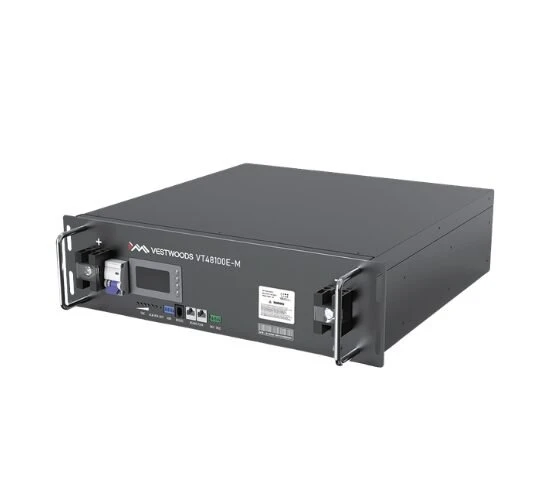
- 5.12 kWh
- 51.2V low-voltage
- IP20 indoor
- 5-year warranty
- LiFePO4 cells
Nimbess Flyer
10.24 kWh, 100A, 8,000 cycles
Rs 400,000
Rs 39,063/kWh
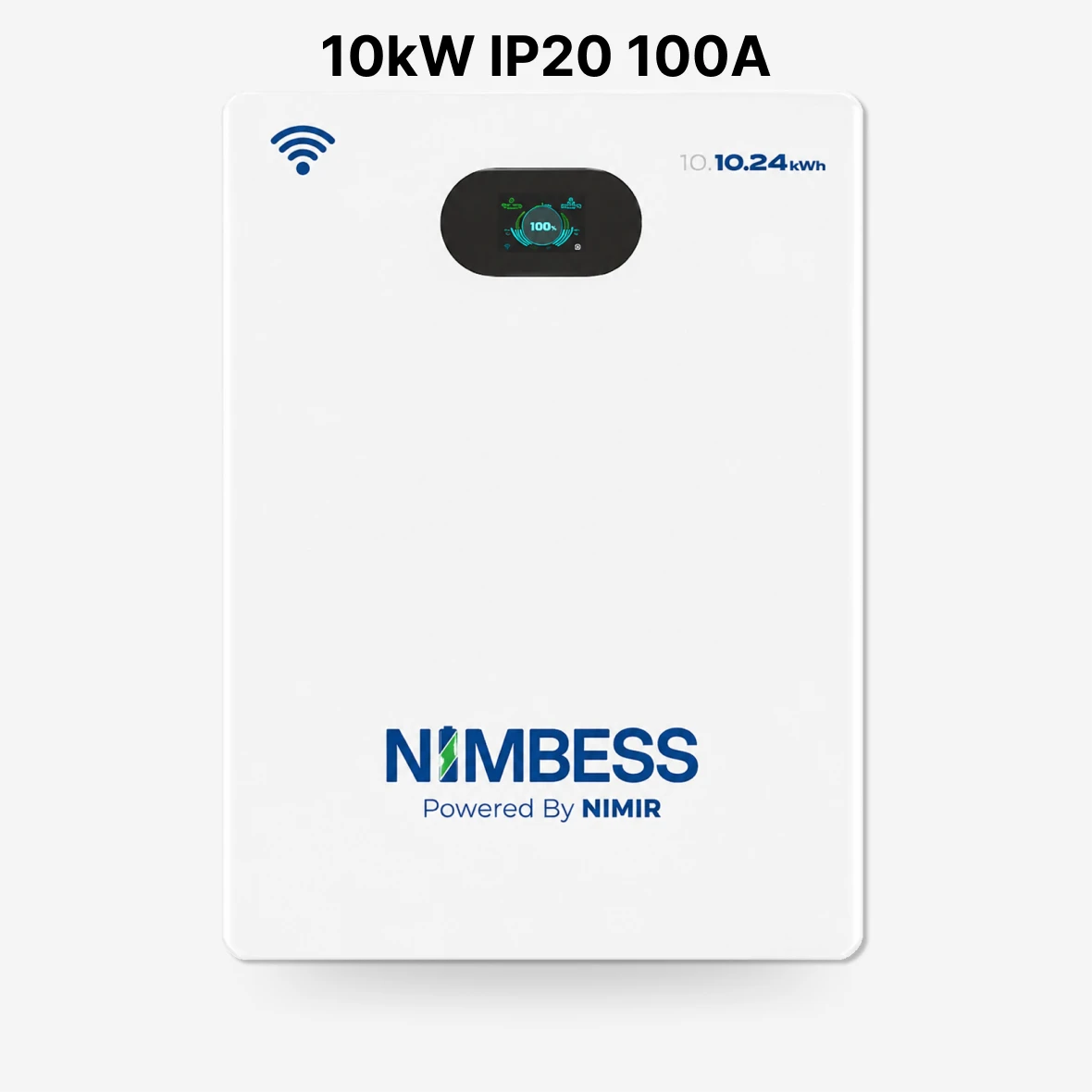
- 10.24 kWh
- 8,000-cycle rating
- 100A discharge
- Runs one AC + basics
- LiFePO4 cells
Knox Powerbase
10.5 kWh, 51.2V 205Ah
Rs 435,000
Rs 41,429/kWh
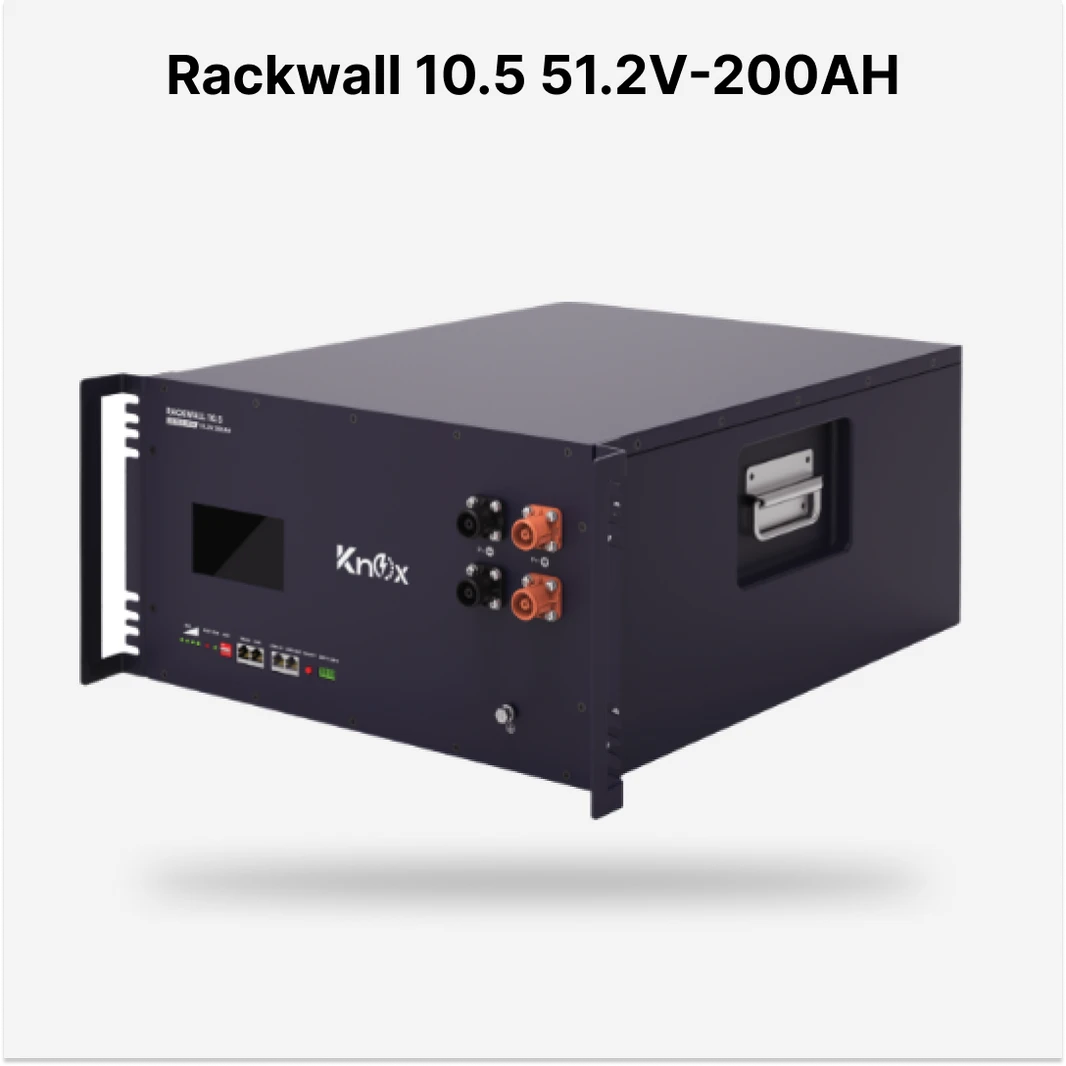
- 10.5 kWh
- 51.2V, 205Ah
- LiFePO4 cells
- 5-year warranty
- A-grade, documented
Dyness PowerBrick
14.33 kWh, 280Ah IP20 LV
Rs 520,000
Rs 36,288/kWh
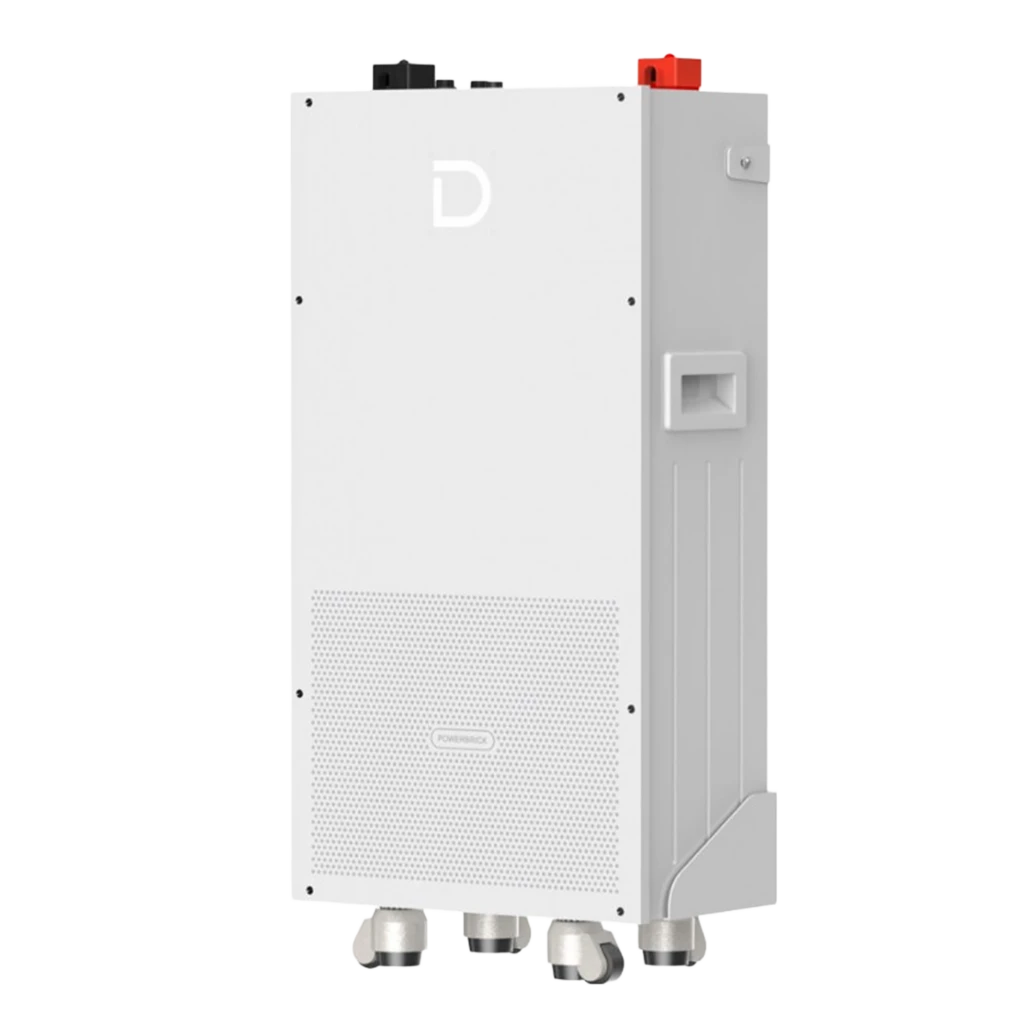
- 14.33 kWh
- 280Ah
- IP20 indoor
- 7-year warranty
- LiFePO4 cells
ReneSola
16 kWh, 51.2V 314A, 9,000 cycles
Rs 520,000
Rs 32,500/kWh
★ Best Value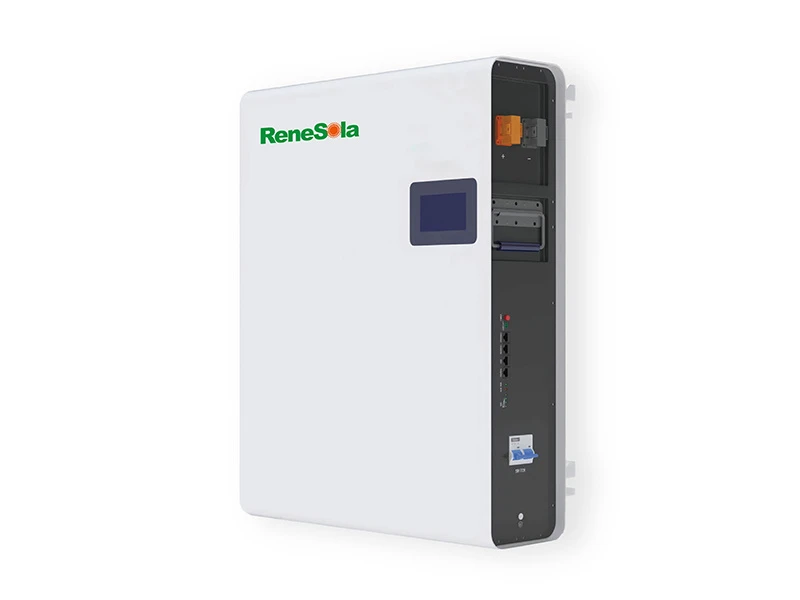
- 16 kWh — largest pack in the list
- 9,000-cycle rating
- 51.2V, 314A
- Lowest per-kWh in the list
- LiFePO4 cells
95% usable energy
A lithium bank gives you 95% of its nameplate energy. A tubular bank gives you only 60%.
6,000+ cycles
A LiFePO4 pack cycles 6,000+ times and lasts 15–20 years. A tubular bank lasts 4–5 years.
Updated daily
Every price in the cards above comes from that day’s verified dealer listings — never guessed.
Why a Lithium Battery Changes What Solar Can Do at Night
A lithium battery is what turns a daytime solar system into a night-time power supply — and in 2026 it is the default choice for Pakistani homes. This page lists the lithium battery price in pakistan for the sizes most homes ask for, with the same day’s rates in the cards above. The rates match the solar plate price in Pakistan homepage for the same models on the same day.
Compare batteries on the per-kWh rate and the usable energy, not on the nameplate kilowatt-hours alone. A kilowatt-hour (kWh) is one unit of electricity — the same unit your meter counts. A lithium battery gives you 95% of its nameplate capacity, while a tubular battery gives you only 60%.
The cards above are dealer list prices from verified listings, and installed quotes run higher — battery plus BMS plus installation, excluding the inverter. Always ask whether a quote includes installation and GST before you compare it with the cards.
The Best Value badge sits on the 16 kWh ReneSola card, because it has the lowest per-kWh rate in the list — and it costs the same as the 14.33 kWh Dyness while giving you more energy. That is the pattern with batteries: bigger packs cost less per unit of energy. The 5 kWh class is still the typical home buy. The lithium battery price in pakistan in the cards above is the same day’s rate, updated every morning from dealer listings.
Below the cards you will find what each size powers, how lithium compares with tubular batteries, why the same battery has different prices, how many kilowatt-hours you need, and how to check a lithium battery is genuine. For the lead-acid options, see the phoenix battery price in pakistan page, the tubular battery price in pakistan page and the osaka battery price in pakistan page. Compare the same capacity across all four pages before you decide.
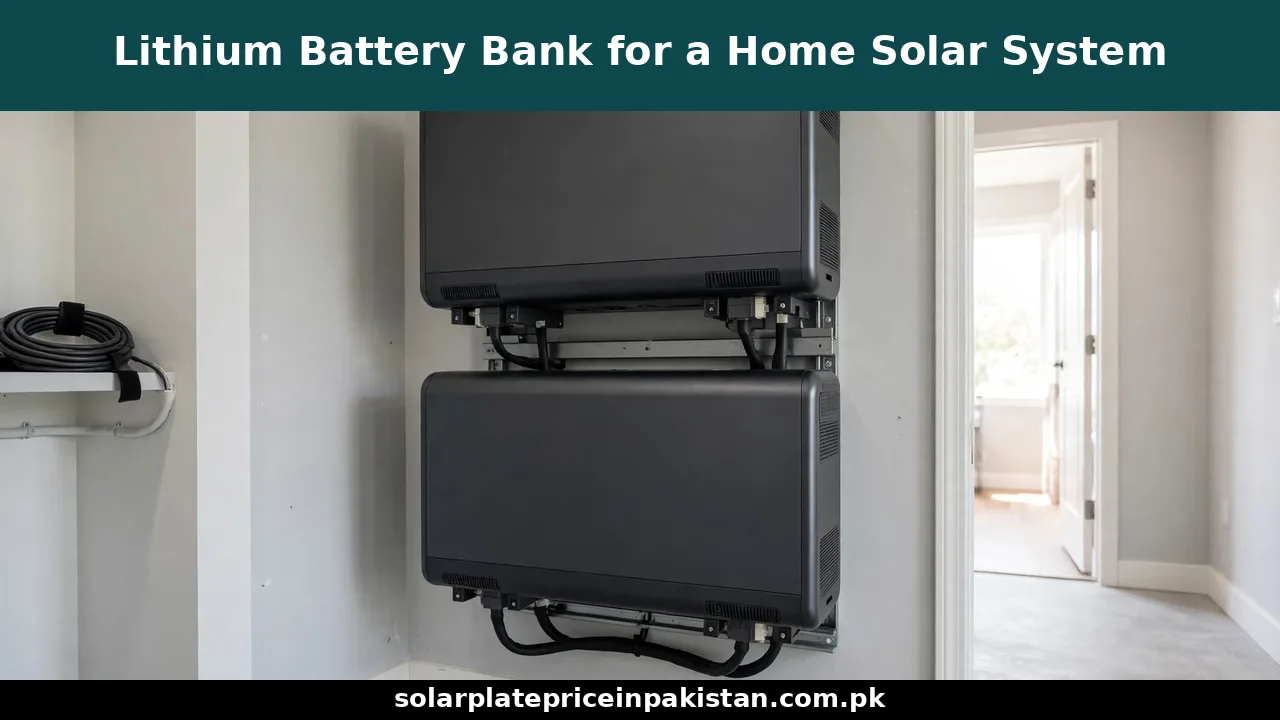
What Makes One Lithium Battery Cost More Than Another
Five things move the price of the same lithium battery, and none of them is the battery’s size alone. This section explains each one in plain words, so you can read any battery quote and know what you are paying for.
- Cell grade — A-grade vs reclaimed or B-grade: A-grade cells are the manufacturer’s first-quality stock with full warranty papers. Reclaimed or B-grade cells are factory seconds or pulled from used packs — lower capacity, shorter life, cheaper per kilowatt-hour. The gap between A-grade and reclaimed cells is the largest single reason two quotes for “the same battery” differ by tens of thousands of rupees.
- The BMS and CAN communication: BMS means battery management system — the small computer inside the pack that protects the cells. A battery with a proper BMS and CAN or RS485 communication talks to the inverter in closed loop — the inverter knows the battery’s state of charge and charges it correctly. A pack without it loses closed-loop control, which is the most common cause of batteries that “never charge fully”. The BMS is part of what you are paying for.
- Low-voltage vs high-voltage: low-voltage 48V or 51.2V packs are the residential standard. High-voltage stacked packs (96V or 192V) suit commercial systems and cost more per kilowatt-hour. Do not buy a high-voltage pack for a low-voltage inverter — they do not pair.
- Brand tier and warranty term: a 10-year warranty from a brand with a Pakistani service network costs more than a 3-year warranty from a brand with no local support — and the warranty is only worth what the brand will honour in Pakistan. A 5 kWh pack with a 10-year warranty is a different purchase from a 5 kWh pack with a 3-year warranty, even at the same capacity.
- Bank size: a 16 kWh bank costs less per kilowatt-hour than a 1.28 kWh pack, because the BMS, the enclosure and the dealer’s margin are spread over more energy. The smallest packs run the highest per-kWh rate in the list, and the 14–16 kWh class runs the lowest.
Because of all five, the honest way to read a lithium battery price in pakistan is as a band by size, not a single figure. The cards at the top of this page give the day’s verified figure for each size, not a band — and they are updated every morning. Use the cards for today’s figure, and use this section to judge whether a quote you hold in your hand is fair. And always ask whether a quote is GST-inclusive and whether it includes installation: the list prices in the cards are battery-only.
LiFePO4 or Tubular — Picking the Battery That Fits Your Home
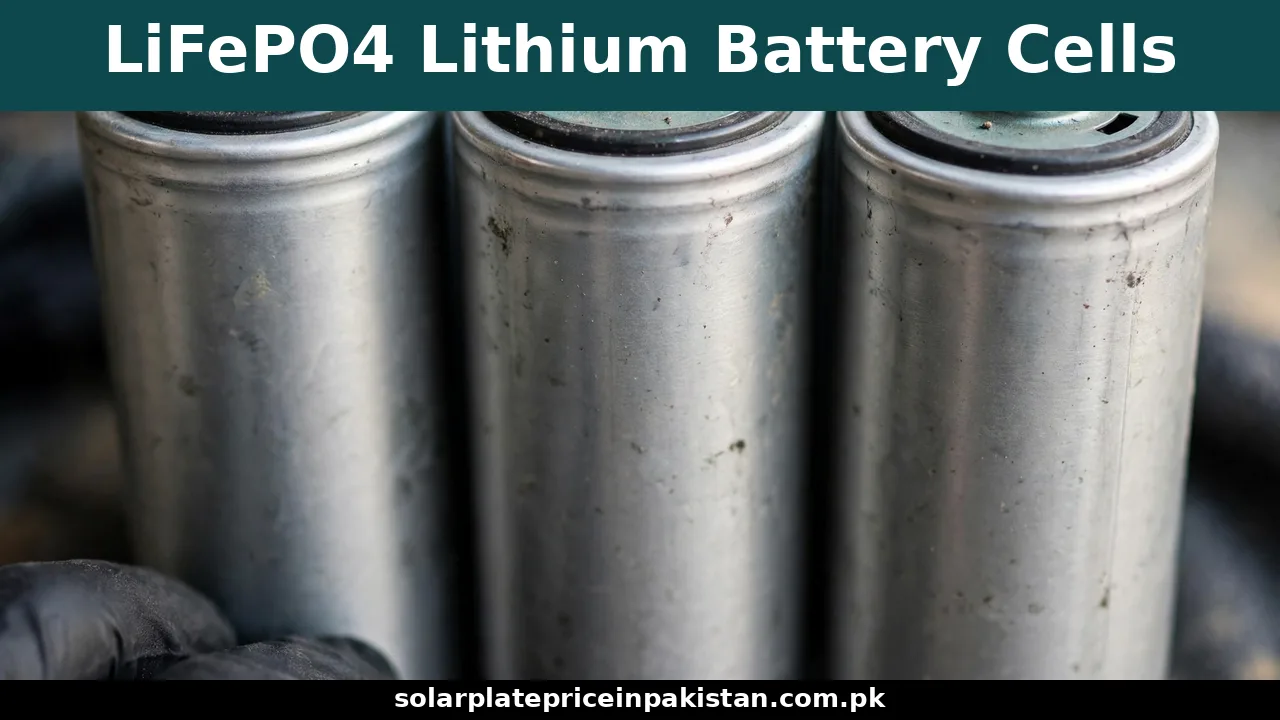
The main choice for home solar backup is lithium or tubular. LiFePO4 — lithium iron phosphate — is the chemistry inside nearly every home lithium battery in Pakistan. Here is the comparison every source agrees on:
| Lithium LiFePO4 | Tubular lead-acid | Flat lead-acid | |
|---|---|---|---|
| Depth of discharge | 95% (80–90% by some sources) | 60% | 50% |
| Cycle life | 6,000+ (3,000–6,000 @ 80% DoD) | 1,500–1,800 | 400–600 |
| Calendar life | 15–20 years | 4–5 years | 1–2 years |
| Maintenance | None | Water top-up every 3 months | Water top-up every 1–2 months |
| Weight per kWh | 5–8 kg | 25–30 kg | 30–35 kg |
| Heat tolerance | Excellent to 50°C (BMS disconnects above 55°C) | Drops 10–20% life above 40°C | Poor, drops 25%+ above 40°C |
| Warranty | 5–10 years | 1–2 years | 6 months–1 year |
The Usable-Energy Trap — Nameplate kWh Is Not What You Get
This is the key buyer insight. Depth of discharge (DoD) is the share of a battery you can actually use — a “10 kWh tubular bank” gives 6 kWh usable, while a “10 kWh lithium bank” gives 9.5 kWh. To get the same usable backup you need a 16 kWh tubular bank or a 10 kWh lithium bank. A tubular quote that looks cheaper per nameplate kilowatt-hour is usually more expensive per usable kilowatt-hour — always divide the price by the usable energy, not the nameplate.
What the Lithium Battery Price in Pakistan Buys You per Usable kWh
Lithium costs more up front than tubular, and it is cheaper over 10 years. A tubular bank giving the same usable backup needs about 16 kWh of nameplate capacity, and it will need two replacements in the same 10 years (4–5 year life) plus yearly water and acid maintenance — so the tubular total passes well beyond its first purchase, while the lithium total stays near its purchase price. This is the page’s own comparison from the inputs stated above, not a sourced quote.
Lithium also needs no maintenance, no watering, no ventilated battery room (no hydrogen gas), and its sealed enclosure does not corrode in dust or salt air — which matters in Multan and Faisalabad dust and Karachi coastal air. When tubular still wins: you cannot afford the upfront cost, you plan to upgrade within 4 years, or you need cheap backup for a rental property. Flat lead-acid is wrong for solar, period — it is designed for UPS use and dies in 12–18 months on daily solar cycling.
How Much Battery Does Your Home Actually Need?
Size from your backup requirement, not from your array size. The rule is: load in kilowatts × backup hours ÷ about 0.85 usable depth of discharge. A worked example: a 5 kW home needing 4 hours of evening backup needs 8 kWh of delivery, divided by 0.80 depth of discharge gives 10 kWh, plus 20% derating gives 12 kWh — round to a 10.6 or 15.36 kWh standard pack.
A simpler rule of thumb: 1 kW of load for 4 hours needs about a 5 kWh battery, with about 20% headroom. Work out your load first with our solar load calculator, then use the cards above to check the lithium battery price in pakistan for that size.
5 kWh — Essential Backup
A 5 kWh bank runs the essentials — fans, lights, fridge, TV, about 600–700W — for roughly 8 hours. It runs a 1.5-ton inverter AC (about 1,000W) for about 4.6 hours. One 5 kWh battery is the smallest sensible lithium purchase for a solar home.
10 kWh — One AC and the Whole House
A 10 kWh bank runs a full house with one AC (1,500–1,800W) for about 6 hours. Two 5 kWh packs — the most popular configuration in Pakistan — give 9.6 kWh and run one AC, fans and a fridge through an 8-hour night outage.
15–20 kWh — Large Homes and Two ACs
A 15 kWh bank runs a large home with two ACs (2,500–3,000W) for about 6 hours. A 20 kWh bank gives whole-home overnight backup, or the pairing for a 20 kW system. Above 20 kWh you are sizing for a very large house or a commercial load — get the size checked by your installer before you buy.
Battery Size by Use Case
| Use case | Load | Backup | Battery size |
|---|---|---|---|
| Essential backup | 600–700W (fans, lights, fridge, TV) | ~8 hours | 5 kWh |
| Moderate home | 1,000–1,200W | ~7 hours | 7–8 kWh |
| Full house, 1 AC | 1,500–1,800W | ~6 hours | 10 kWh |
| Large home, 2 ACs | 2,500–3,000W | ~6 hours | 15 kWh |
| Whole-home overnight | Full load | Overnight | 20 kWh |
How Long Will 5 kWh Run One AC?
About 4.6 hours — a 1.5-ton inverter AC draws about 1,000W, and 4.6 of the 5.12 kWh is usable. A single 4.8 kWh pack (3.84 kWh usable) runs fans, fridge and lights at about 400W for about 9.6 hours. The most popular configuration in Pakistan — two 5 kWh packs, 9.6 kWh — runs one AC, fans and a fridge at about 900W for about 8.5 hours, through an 8-hour night outage.
Lithium Battery Brands in Pakistan — Value, Mid and Premium
Solarrate lists 32 brands with live dealer prices. A wide range means the brand sells many sizes, not that its prices are unstable. Compare the lithium battery price in pakistan across brands only within the same size, using the per-kWh line on each card above.
Value Tier — Fronus, Livoltek and Nimbess
Fronus has the cheapest verified 5 kWh pack in the country — the 5 kW Platinum — at the floor of the 5 kWh class. Livoltek’s 5 kW IP20 pack is the typical-rate 5 kWh pack in the cards above. Nimbess sells the Flyer line at 2.56, 5.12 and 10.24 kWh, all in the same per-kWh band.
Ziewnic and Apex Solar sit in the same tier. Value-tier packs suit buyers who want the lowest upfront cost from a brand with live dealer listings.
Mid Tier — Dyness, Knox, Itel, Crown and MaxPower
Dyness has the widest range in the country, with the most listings — its Powerbox Pro 10.24 kWh and PowerBrick 14.33 kWh both appear in the cards above. Knox sells the Powerbase line, including the 10.5 kWh pack in the cards. Itel, Crown and MaxPower fill the same tier — Crown’s 1.28 kWh Elektra Boost is the cheapest entry point in the cards, and MaxPower’s Hithium 5 kWh is a value-priced mid-tier pack. Inverex and Volnex sit in the same tier — Inverex’s 12V-100Ah pack carries a 5-year warranty and 6,000 cycles, but watch the dealer spread: the same model lists far apart across dealers, so compare before you pay.
Premium Tier — Pylontech, BYD, Soluna, Goodwe and SOFAR
Pylontech is the most-recommended brand in every guide, with a 10-year capacity warranty at 80% or better at year 10 — register the serials at pylontech.com within 90 days of purchase to activate it. The US5000 has no named solarrate row, so its figure from a May 2026 guide is not used here as verified; the closest verified Pylontech figure is the FIDUS Plus 5.12 kWh.
Soluna carries a 10-year warranty on its 7.68 kWh high-voltage listing. Goodwe, Sunwoda, Fox and SAJ round out the premium tier, and SOFAR’s 16 kWh pack sits beside the ReneSola card. BYD has only one thin listing with no model named — treat it as unverified.
Brands With No Verified Listing — Named Honestly
Huawei LUNA2000, Narada, Volta Lithium, Osaka Lithium, Soltaro, Hubble and Leoch are named in guides but have no verified solarrate listing, so this page gives them no price. A dealer quoting you one of these brands should show you the listing, the warranty papers and the inverter compatibility list — and the price should be checked against the per-kWh band in the cards above before you pay.
What a Hybrid System With a Battery Really Adds
A battery is only one part of a hybrid system. The premium of going hybrid instead of on-grid is larger than the battery alone, because it includes the hybrid inverter upgrade. The premium grows with system size — a 5 kW system with a 5 kWh bank adds the least, and a 20 kW system with a 15 kWh bank adds the most. Get the premium in writing from your installer, with the battery model and the inverter model named, before you pay.
For the plate side of the same systems, see the 585 watt solar plate price in Pakistan page and our solar system price in Pakistan page. For inverter rates, see our solar inverter price in Pakistan page. Work out your own size first with the solar load calculator.
LiFePO4, NMC and the Heat Question
LiFePO4 vs NMC — Safety in 47°C Summers
LiFePO4 is the right answer 95% of the time for Pakistani stationary storage. It runs 3,000–6,000 cycles at 80% depth of discharge, stores 90–120 Wh per kg, is thermally stable to 270°C, and operates from 0–55°C. NMC/NCA runs 1,000–3,000 cycles, stores 150–220 Wh per kg, and carries a higher thermal runaway risk above 150°C.
A 4–5 kWh pack offered far below the cards above is NMC, generic unbranded cells, or counterfeit — genuine Tier-1 LiFePO4 cannot be made profitably at that price. LiPo should be avoided for solar storage entirely (fire risk, 500–1,500 cycles).
Voltage — 12V, 24V, 48V or 51.2V?
12V (100–200Ah, 1.3–2.6 kWh) suits caravans, lighting and small UPS use. 24V (2.6–5 kWh) suits 1–3 kW residential systems. 48V/51.2V (4.8–10.2 kWh) is the standard for 5–15 kW residential systems — and 51.2V (16S LFP) is increasingly preferred because it matches the inverter’s “48V” nominal expectation more accurately.
96V/192V stacked packs (5–30 kWh) suit commercial and industrial systems with high-voltage hybrid inverters. Note the trap: the iTel IPL-25200X is a 25.6V pack — 24V-class only, not a 48V substitute, even at the same kilowatt-hours.
IP Ratings — IP20 vs IP21 vs IP66
Most residential packs are IP20 (indoor, dry room) or IP21 (indoor, light splash protection). The Solis IntelliHouse at IP66 is sealed against dust and water jets — worth the premium if the battery must sit in a dusty or semi-outdoor space. An IP20 pack in a dusty Multan or Faisalabad storeroom needs a clean, ventilated room, not an open yard.
DC Protection — What the 2026 Rules Ask For
Between the battery and the inverter, the 2026 rules and the PEC code require a DC isolator, a DC breaker, a DC surge protector, a DC fuse and cabling. Every reputable battery warranty requires this protection. A battery isolation switch (PEC-required visible-break disconnect) combines the isolator and the breaker. Ask your installer for the protection cost in writing — it is a small part of the system, but a missing breaker can void the battery warranty.

How to Tell a Genuine Lithium Battery From a Fake One
Storage is the most counterfeited part of a solar system in Pakistan, because the failure is invisible for the first year or two. Before you pay the lithium battery price in pakistan shown above, run these four checks, in the order given.
1. Check the Serial With the Manufacturer
Verify the serial with the manufacturer — a serial that does not resolve is not a pack to pay brand money for. For Pylontech, register the serials at pylontech.com within 90 days of purchase to activate the 10-year capacity warranty. No serial number means refuse the pack.
2. Ask for the BMS Protocol and the Inverter Compatibility List
Ask for the BMS communication protocol (CAN/RS485) and the inverter compatibility list. A pack not on the inverter’s supported list loses closed-loop control — the most common cause of batteries that “never charge fully”. GoodWe, Solis, Fronius and Growatt pair natively with Pylontech over CAN bus; Huawei’s LUNA2000 pairs only with Huawei inverters; for an Inverex NitroX, verify the firmware before pairing.
3. Get the Warranty in Writing — Who Honours It
Check the warranty terms in writing: who honours it in Pakistan, for how long, full replacement vs pro-rated capacity retention, and who pays freight. Look for a built-in BMS, IEC 62619 or UL 1973 certification, and a minimum 5-year warranty in writing, not verbal. No distributor certificate means reject the pack.
4. Red Flags — Walk Away
Be sceptical of quotes far below the cards above — at the floor you are buying reclaimed cells or a pack with a warranty nobody intends to service. A 4–5 kWh pack offered far below the cards, a pack with no serial, a pack with no distributor certificate, or a “Pylontech US5000” quoted far below the verified Pylontech range — any one of these is a walk-away. And never mix lead-acid and lithium on one inverter: their charge profiles are different, and mixing them damages both.
Which Inverter Works With Your Lithium Battery?
The plate is only half the system, and the battery is the other half — but the inverter is what joins them. For a lithium bank, the inverter must speak the battery’s language: CAN bus (closed-loop, the inverter reads the battery’s state of charge and charges it correctly) or voltage mode (open-loop, the inverter guesses from voltage alone). CAN bus is the right choice for every lithium pack that supports it.
GoodWe, Solis, Fronius and Growatt pair natively with Pylontech over CAN bus; Huawei’s LUNA2000 pairs only with Huawei inverters; for an Inverex NitroX, verify the firmware before pairing. The power-on sequence matters too: battery ON first, then the inverter — never the other way round.
Compare inverter rates on our solar inverter price in Pakistan page before you choose. Under net billing, a hybrid system with batteries — which stores the daytime units for the evening instead of exporting them cheap — pays back faster than an on-grid system of the same size: self-consumed units offset the bill at the full retail slab rate, while exports are credited at only a small fraction of what imports cost.
Tax and the Fine Print on a Battery Quote
No battery-specific GST or duty figure was verified in this research, so this page states none. What is verified is the basis of every figure on this page: the cards show dealer list prices, and installed quotes are a different basis — battery plus BMS plus installation, excluding the inverter. Always ask your dealer whether the quoted lithium battery price in pakistan includes GST and whether it includes installation — a quote that excludes either will look cheaper by exactly that much, and both are still payable.
Lithium or Tubular — The Short Answer for Your Home
Solar Plate Pakistan is an independent price-information website. We are not an authorized dealer or official partner of any brand. The lithium battery price in pakistan on this page comes from dealer listings collected each morning, and the same model’s price is matched across this page, the homepage and the brand pages on the same day.
If a size has no verified listing on the day this page is built, its row is removed rather than filled with a guess. The rules that govern this page are set by the National Electric Power Regulatory Authority (NEPRA), under the Prosumer Regulations 2026 (S.R.O. 251(I)/2026).
Questions about this page can be sent through the Contact Us page, or by email at sohaibkhan127222@gmail.com. More about the site on our About Us page and our Our Team page.
Frequently Asked Questions
What is the lithium battery price in Pakistan today?
See the cards at the top of this page for the lithium battery price in pakistan today. Each card shows one pack, its price and its per-kWh rate. The cards are updated every morning from dealer listings, and the date is in the heading above them.
How much does a 5 kWh lithium battery cost?
See the cards above for the lithium battery price in pakistan for a 5 kWh pack — the Livoltek and VESTWOODS cards show the price and the per-kWh rate. Installed and GST-inclusive, a 5 kWh bank costs more than the list price, because installation and GST are added. Ask your dealer whether a quote includes both.
How much does a 10 kWh lithium battery cost?
See the cards above for the lithium battery price in pakistan for a 10 kWh pack — the Nimbess and Knox cards show the price and the per-kWh rate. Installed and GST-inclusive, a 10 kWh bank costs more than the list price, because installation and GST are added.
How much does a 20kWh lithium-ion battery cost in Pakistan?
Installed and GST-inclusive, a 20 kWh bank costs more than the list prices in the cards above, because installation and GST are added. At dealer list prices, 20 kWh of packs is priced in the cards above — add installation and GST on top. Work out your own size first with the solar load calculator.
Which lithium battery brand is best in Pakistan?
Pylontech is the most-recommended brand in every guide, with a 10-year capacity warranty. Dyness and Knox lead the mid tier on listings count, and Fronus, Livoltek and Nimbess lead the value tier. The “best” battery is the one with the lowest price per usable kilowatt-hour from a dealer you trust, with genuine warranty papers and a pack on your inverter’s compatibility list.
LiFePO4 vs tubular — which is better for solar?
Lithium gives 95% usable capacity, 6,000+ cycles and 15–20 years with no maintenance; tubular gives 60%, 1,500–1,800 cycles and 4–5 years with water top-ups every 3 months. Lithium costs more up front and is cheaper over 10 years. Compare tubular on the tubular battery price in pakistan page.
How many kWh of lithium battery do I need?
Size from your backup requirement, not from your array size: load in kilowatts × backup hours ÷ about 0.85 usable depth of discharge. A 5 kWh bank covers essential backup for about 8 hours; 10 kWh covers a full house with one AC for about 6 hours. Work out your load first with the solar load calculator.
How long will a 5 kWh battery run one AC?
About 4.6 hours — a 1.5-ton inverter AC draws about 1,000W, and 4.6 of the 5.12 kWh is usable.
Is a lithium battery worth it under net billing?
Yes, usually. Under net billing, exports are credited at only a small fraction of what imports cost, while self-consumed units offset the bill at the full retail slab rate — so storing daytime solar for the evening is worth more than exporting it. Going hybrid instead of on-grid adds a premium over the on-grid system, because the battery and the hybrid inverter upgrade are added — get that premium in writing before you pay.
How do I verify a genuine lithium battery?
Check the serial with the manufacturer, ask for the BMS protocol (CAN/RS485) and the inverter compatibility list, and get the warranty in writing — who honours it in Pakistan, for how long, and who pays freight. Walk away from a pack quoted far below the cards above, a pack with no serial, or a pack with no distributor certificate. See our Disclaimer.