
Solar Plate Price in Multan

Solar Plate Price in Multan — 23 November 2026
Jinko Tiger Neo
N-Type TOPCon Bifacial
Rs 21,587
Rs 36.9/W
★ Best Value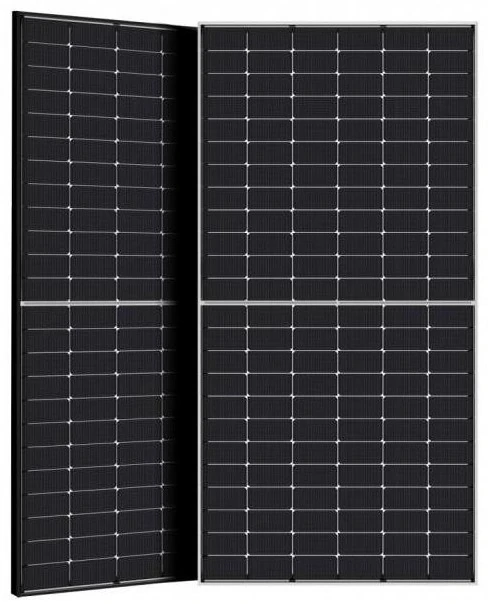
- N-Type TOPCon bifacial cells
- Power from both sides
- Double glass
- Most sold Jinko size in Pakistan
- A-grade, documented
- 12-year product warranty
- 25-year performance warranty
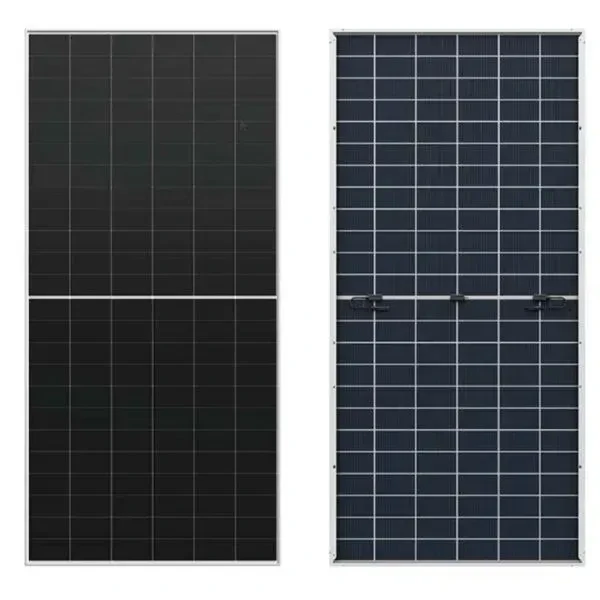
Longi Hi-MO X10
N-Type HPBC 2.0 Bifacial
Rs 26,123
Rs 40.5/W
- HPBC 2.0 back-contact cells
- Power from both sides
- Double glass
- Flagship — best seller in Pakistan
- A-grade, documented
- 15-year product warranty
- 30-year performance warranty
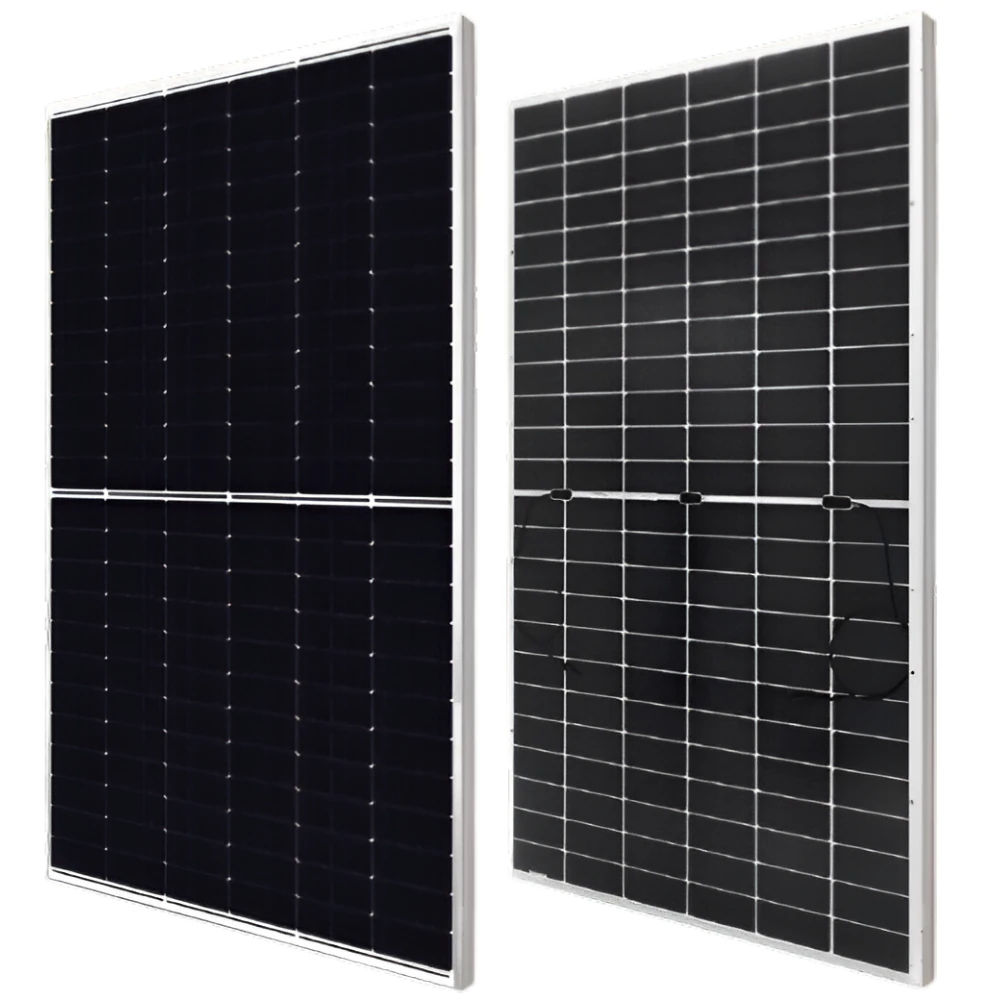
Canadian TOPHiKu6
N-Type TOPCon Bifacial, Double Glass
Rs 23,195
Rs 39.6/W
- N-Type TOPCon bifacial cells
- Power from both sides
- Double glass
- Most sold Canadian size in Pakistan
- A-grade, documented
- 12-year product warranty
- 30-year performance warranty
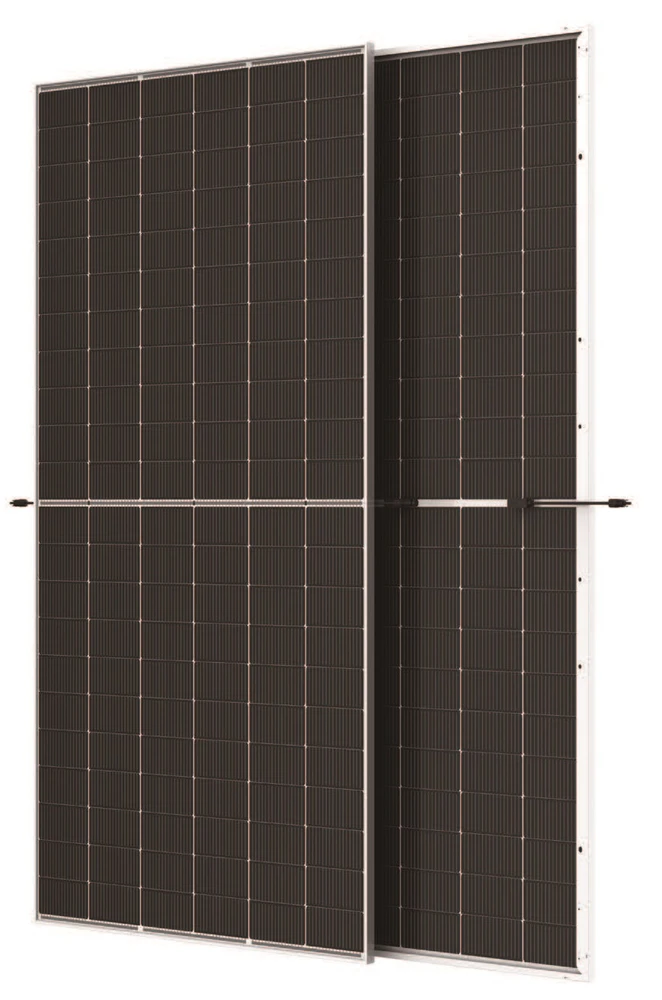
Trina Vertex N
N-Type i-TOPCon Bifacial
Rs 23,906
Rs 38.3/W
- N-Type i-TOPCon bifacial cells
- Power from both sides
- Double glass
- Second-cheapest per watt on this page
- A-grade, documented
- 12-year product warranty
- 30-year performance warranty
JA DeepBlue 4.0
N-Type TOPCon Bifacial
Rs 22,534
Rs 38.5/W
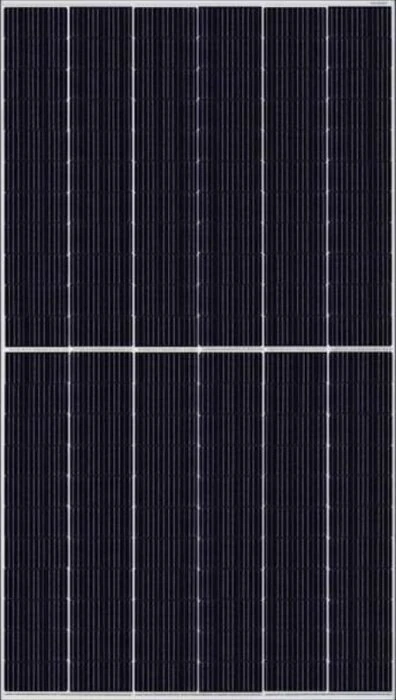
- N-Type TOPCon bifacial cells
- Power from both sides
- Double glass
- Most sold JA size in Pakistan
- A-grade, documented
- 15-year product warranty
- 30-year performance warranty
Inverex Mustang
N-Type TOPCon Bifacial, Double Glass
Rs 25,420
Rs 41.0/W
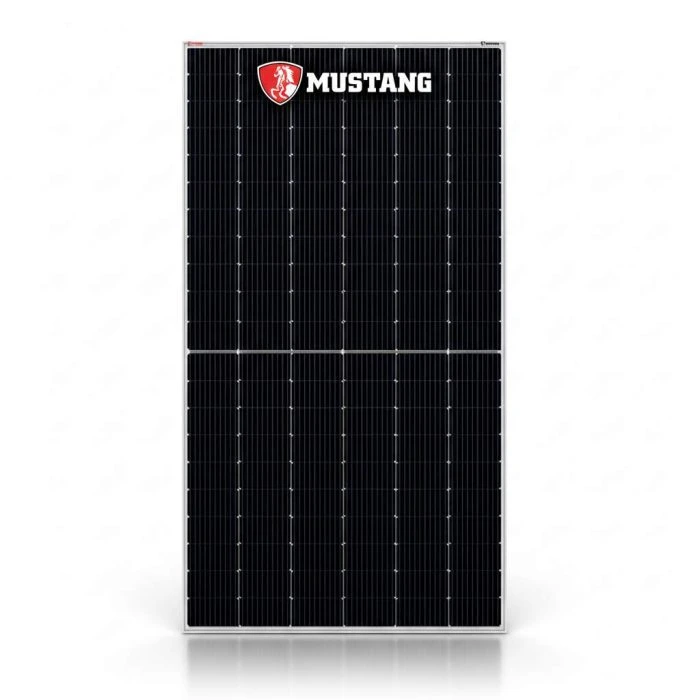
- N-Type TOPCon bifacial cells
- Power from both sides
- Double glass
- Inverex flagship size
- A-grade, documented
- 10-year product warranty
- 25-year performance warranty
South Punjab’s hub
Multan supplies Bahawalpur, Rahim Yar Khan and Dera Ghazi Khan — hardware here is often slightly below Lahore.
Pakistan’s hottest solar city
June peaks pass 45°C — the plate that survives Multan’s heat is the one with the lowest temperature coefficient.
Updated daily
Every price in the cards above comes from that day’s verified dealer listings — never guessed.
Multan Feeds South Punjab — Why Dealers Here Set the Region’s Rate
Multan is the main solar market for South Punjab. Buyers from Bahawalpur, Rahim Yar Khan and Dera Ghazi Khan all compare plates here, and the city’s wholesale trade supplies the whole region. This page lists the solar plate price in multan for all six brands on this site in one place, with the same day’s rates in the cards above.
Compare the per-watt rate, not the plate price alone. A big plate always costs more, but it can still be cheaper per watt — or more expensive. The card tells you the per-watt rate under the price, so compare that number first.
Jinko works out cheapest per watt today at Rs 38.1/W, with Trina just behind at Rs 38.3/W. The Best Value badge goes to the Jinko card, because it is the cheapest plate overall and the size Multan dealers sell most. The solar plate price in multan in the cards above is the same day’s rate, updated every morning from dealer listings.
This page is written for buyers in Multan and across South Punjab — if you live in Bahawalpur, Rahim Yar Khan or Dera Ghazi Khan, the Multan rate is your benchmark, and your own dealer’s quote should sit close to it once transport is added. For the 585W class across brands, see the 585 watt solar plate price in Pakistan page.
Hussain Agahi, Vehari Road and Chungi No. 9 — Where Multan Trades Plates
Multan’s solar market grew out of its electronics and hardware trade, and it is the major distribution hub for South Punjab. Panel and inverter dealers around Hussain Agahi and the Vehari Road corridor move serious volume, and the national price guides name Chungi No. 9, Kutchery Road and Vehari Road as the city’s major market hub. Bosan Road is the other corridor — a South Punjab vendor’s main office sits there, and it is also a residential-demand area.
Because Multan is a distribution hub, the solar plate price in multan is often slightly below Lahore’s, and some of the most competitive equipment retail pricing in Pakistan is found here. That is the hub effect: stock passes through Multan on its way to Bahawalpur, Rahim Yar Khan and Dera Ghazi Khan, so dealers here buy in volume and sell in volume.
But cheap hardware is not the whole story. Engineering-led installation is far scarcer in Multan than in Lahore or the twin cities: hardware is cheap, quotes look attractive, and the difference between a properly designed system and a dealer’s turnkey kit only becomes visible in the first summer’s generation numbers. A sealed pallet of 31 to 36 plates trades noticeably below single-plate retail, so above about 20 plates, a sealed pallet from Lahore or Karachi plus your own transport usually beats an upcountry retail quote. Below 10 plates, freight eats the saving — buy locally and negotiate the mounting structure instead.
If you are buying for a full home system, ask for the pallet rate and what it includes. If you are buying a single plate, compare two or three quotes for the same brand and wattage — and remember that a quote more than 15 percent below the market band is a warning sign, not a bargain.

Five Things That Push a Multan Quote Up or Down
Five things move the price of the same plate in Multan, and none of them is the plate itself. This section explains each one in plain words, so you can read any Multan quote and know what you are paying for.
- Grade. A-grade, B-grade and relabelled stock: genuine A-grade plates come with serials, flash reports and warranty papers, while B-grade stock has lower output, worse build quality and no real warranty. The gap between A-grade and B-grade is the largest single reason two quotes for “the same plate” differ by thousands of rupees.
- Pallet vs loose. A pallet of 31 to 36 plates trades noticeably below a single plate. A loose plate bought at retail carries the shop’s margin, the handling and the delivery — all of which a pallet buyer skips.
- The dollar rate. Solar plates are imported, so when the dollar rises against the rupee, plate prices rise too — the same plate costs more next week than it did last week.
- The season. Prices rise in summer, when the heat drives demand, and soften in winter, when fewer homes buy. A quote from March and a quote from June are not the same price, even for the same plate.
- Freight and dealer margin. Every plate in Multan carries freight from Karachi Port on top of its import price — upcountry cities carry a transport premium on top — and a showroom on Bosan Road charges more than a wholesale dealer in Hussain Agahi, because its rent and its service are different. The plate is the same; the distance and the service around it are not.
Because of all five, the honest way to read a Multan price is as a band, not a single figure. The cards at the top of this page give the day’s verified figure for each brand, not a band — and they are updated every morning. Use the cards for today’s figure, and use this section to judge whether a quote you hold in your hand is fair. One warning: three older sources still quote far lower per-watt figures for Multan — those figures are stale and far below every current source, so do not use them as a benchmark.
45°C Summers: Which Plates Hold Up in Multan’s Heat
Multan is consistently among Pakistan’s hottest major cities, with June peaks above 45°C and roof-surface temperatures far higher — and heat is the defining constraint on a solar plate here. Panel output falls as cell temperature rises, and cell temperatures pass 70°C on poorly ventilated roofs in a 45°C summer. The plates that do best here are the ones with the lowest temperature coefficient and the best low-light performance — N-type TOPCon plates first, then HJT plates, then the older P-type PERC plates.
The temperature coefficient is the number to check. It tells you how much output a plate loses for each degree above 25°C. Jinko’s Tiger Neo is reported at minus 0.26 percent per degree, Longi’s Hi-MO X10 at minus 0.26, Canadian Solar’s HJT HiHero+ at minus 0.24, JA Solar’s DeepBlue 4.0 at minus 0.30, and Trina’s Vertex N at minus 0.29 to minus 0.34. A plate at minus 0.24 loses noticeably less output on a hot Multan afternoon than a plate at minus 0.34.
How 45°C Heat Changes the Solar Plate Price in Multan
Heat does not change the solar plate price in multan on the cards — but it changes which plate is worth buying. HJT handles heat best, but it is scarce and costs more per watt — Canadian’s HJT models are the ones to shortlist south of Lahore. Back-contact plates give the most watts per square metre.
And the mounting matters as much as the plate. N-type TOPCon plates with low temperature coefficients and a mounting design with a proper ventilation gap limit the loss to a few percent, while cheap P-type stock flat-mounted to the roof can lose 12 to 18 percent at peak. That gap is the single biggest quality difference between Multan installers, so a Multan quote that does not discuss heat derating is a red flag.
Dust is Multan’s second enemy. Pre-monsoon dust storms roll through South Punjab from May to July, and cotton-season lint adds to soiling around the ginning belt. Panels in Multan need cleaning every 3 to 4 weeks in summer — roughly twice as often as Islamabad — or generation quietly slides by 8 to 15 percent. One South Punjab vendor says dust can cut production by nearly a third and recommends cleaning once a week, while another guide says clean at least once every two weeks with soft water and a non-abrasive brush.
Set the tilt at 18 to 22 degrees facing south, which is optimal year-round for Multan and Bahawalpur, and make sure the mounting structure is heavy-duty galvanised iron — summer storms can damage a light structure. Ask your installer whether the structure is L3 or heavy-duty GI, and get it in writing before you pay.

How Many Plates for Your Roof in Multan?
Plates are only one part of a system’s cost. A complete system also needs an inverter, a mounting structure, batteries for hybrid systems, wiring and installation. The table below shows how many 585W plates each common system size needs — no prices here, because plates are priced in the cards above and the rest is priced on the system page.
| System size | Best for | 585W plates needed |
|---|---|---|
| 3kW | Small home | 6 plates |
| 5kW | Medium home | 9 plates |
| 7kW | Medium-large home | 12 plates |
| 10kW | Large home | 18 plates |
| 15kW | Commercial / very large home | 26 plates |
On-grid or hybrid — that is the first choice for a Multan home. On-grid suits homes with stable MEPCO supply and most of their load in the daytime, because it is cheaper and simpler. Hybrid suits homes that face load-shedding, because the battery keeps the fans and lights on when the grid goes down. The battery adds cost up front, but with net billing it also saves the daytime units from being exported cheap.
A hybrid system costs about 30 to 40 percent more than an on-grid system of the same size, because of the battery and the hybrid inverter. The installation itself is charged separately — labour, mounting, wiring, the net metering work and surge protection each carry their own figure, and one quote includes them while another does not. Always compare quotes with the same items listed. Remember the cards above show the solar plate price in multan for the plates alone.
MEPCO Net Billing in Multan — Thirteen Districts, One Slow Queue
The Multan Electric Power Company (MEPCO) serves Multan under the NEPRA Prosumer Regulations 2026, and it covers the geographically largest DISCO territory in Pakistan — thirteen districts share the same approval pipeline. A complete file from Multan city typically takes 7 to 12 weeks through to bidirectional meter installation — slower than LESCO or IESCO, because thirteen districts funnel through the same approval machinery. Incomplete files routinely lose a month, and an installer who knows the MEPCO Multan circle offices and pre-empts the inspection checklist saves weeks. The rules are set by the National Electric Power Regulatory Authority (NEPRA).
The process is: a licensed installer certifies the design, the DISCO inspects the site, a bidirectional meter is fitted, and the agreement is issued. Installer enlistment is now handled by PPIB — the old AEDB was dissolved and merged into PPIB in July 2023 — and an uncertified installer means no net metering. Ask your installer whether the meter and the application work are included in the quoted price — they often are not.
The billing rules changed in 2026. Under the Prosumer Regulations, new connections approved after 9 February 2026 are net billing, not net metering: surplus exports are bought at a small fraction of what imports cost, while imports are billed at the normal tariff. Connections approved before February 2026 keep the old one-to-one net metering until their agreements expire, and new agreements run for five years. That changes the maths: with net billing, a hybrid system with batteries — which stores the daytime units for the evening instead of exporting them cheap — pays back faster than an on-grid system of the same size.
Payback claims spread wide in Multan: one vendor claims under three years for a home system, while a national guide says four to six years for a hybrid of the same size. Treat any single payback figure as a claim, not a fact, and work out your own numbers. The solar plate price in multan above does not include the net metering fee, so get that figure in writing too.
Four Checks That Catch a Fake Plate in Multan
Multan’s markets sell genuine plates and fake ones side by side. A fake plate looks right, but it makes less power and it has no real warranty. Before you pay the solar plate price in multan shown above, run these four checks, in the order given.
1. Match the serial under the glass with the back label
Every genuine Tier-1 plate carries a serial number printed on the back label, with a matching serial sealed under the front glass. Check that both serials match each other and the model and wattage on the label. Check a few plates from each batch, not just one.
2. Check it on the brand’s own website
Confirm the plate on the brand’s own website — Jinko at cs.jinkosolar.com, Longi at longi.com, Canadian Solar at www.canadiansolar.com, Trina at trinasolar.com, JA Solar at jasolar.eu, Inverex at inverexsolar.pk — and do not use a QR code or a link the shop gives you instead. Use only the brand’s official website for this check. Lookalike “verification” sites are not the brand.
3. Ask for the serial details, flash report and warranty papers
Ask for the serial details, the flash test report and the warranty papers that match the plate itself. Check that the wattage and model on the papers match the plate you are buying. A dealer who cannot produce the papers is a dealer to walk away from.
4. Buy from a dealer you can return to
A genuine plate from a dealer with a shop you can visit — in Hussain Agahi, on Vehari Road, on Bosan Road, in Gulgasht Colony or Wapda Town — is worth more than a slightly cheaper plate from a seller you cannot find again. Be extra careful with a turnkey kit from a dealer who cannot explain the heat derating: in Multan, the design matters as much as the plate. The buying guides in the blog explain what else to check.

Solar Tubewells and Cold Stores — Multan’s Farm Side
Multan is farm country as well as a city, and that changes what solar means here. Solar tubewells are the primary irrigation method in Rahim Yar Khan and Bahawalpur, and cold-storage loads for the mango and citrus trade reward installers who can size pumps and motors, not just rooftops. A 10 HP solar tubewell needs no battery at all — it runs the pump straight from the sun during the day.
A well-installed solar tubewell usually pays for itself in two to four seasons of diesel saved, and farmers often opt for 550W Mono-PERC plates to keep initial costs low. A VFD inverter is essential to run heavy motors directly from solar during the day. Quaid-e-Azam Solar Park sits in nearby Bahawalpur, so farmers across South Punjab are already highly aware of solar — the question is usually which installer, not whether solar works.
If you are sizing a tubewell, size the plates to the pump, not to the roof. A tubewell that runs dry at noon because the plates were sized for a house is money wasted. Ask the installer for the pump’s horsepower, the bore depth and the daily water need in writing, and check the VFD rating against the motor before you pay.
The Inverter and Battery That Go With a Multan System
The plate is only half the system. For a Multan home, the inverter decides how much of the plate’s output you actually use: on-grid inverters suit homes with stable MEPCO supply and daytime load, hybrid inverters suit homes that need backup during load-shedding, and off-grid suits homes with no grid at all. Because Multan summers are so hot, ask for an inverter rated for high ambient temperatures and a structure with a proper ventilation gap under the plates.
For batteries, Multan dealers stock lithium (LFP) first, then tubular and Osaka, AGS and Phoenix lead-acid — lithium costs more up front and lasts longer, tubular is the budget backup. Compare inverter rates on our solar inverter price in Pakistan page and battery rates on our lithium battery price in Pakistan page before you choose.
A 5kW home usually pairs nine 585W plates with a 5kW hybrid inverter and one lithium battery, while a 10kW home pairs eighteen plates with a 12kW hybrid inverter and two batteries. Those are starting points, not rules — your own load decides the size. Use the solar load calculator to list your fans, lights, fridge and air conditioner, and it will suggest the system size for you.
What Tax and Duty Add to a Multan Plate
There is no customs duty on solar plates in Pakistan — zero percent — and the sales tax on imported plates is 10 percent since July 2025. The 18 percent rise that was reported in early 2026 was dropped from the Finance Bill 2026-27, so the 10 percent figure is the one to use. Inverters carry 5 to 10 percent duty, batteries 10 to 15 percent, structure 10 to 15 percent, and cables up to 20 percent. Ask your dealer whether the quoted plate price includes the 10 percent sales tax — a quote that excludes it will look cheaper by exactly that much, and the tax is still payable.
Multan Beside Lahore and Karachi — Where the Hub Rate Sits
The solar plate price in multan is usually a little above the Lahore rate, and the reason is the truck ride from Karachi Port. A plate bought in Lahore’s wholesale market is usually cheaper than the same plate delivered to Multan, because the dealer here pays for the freight. See the same day’s snapshot for other cities: Lahore | Karachi | Peshawar | Faisalabad. City rates are indicative — always confirm the final quote with a dealer in that city before paying.
Retail quotes in DHA Multan, Wapda Town, Gulgasht Colony, Model Town, Shah Rukn-e-Alam Colony, New Multan and the Bosan Road corridor can be higher than the hub rate, and transport adds to the cost in Bahawalpur, Rahim Yar Khan and Dera Ghazi Khan. Cantt properties add an approval layer of their own. That is normal — the hub rate is the wholesale rate, and the retail shop adds its own margin and delivery. Compare the cards above with a written quote from a dealer in your own area before you decide.
The Short Version — What to Remember in Multan
Solar Plate Pakistan is an independent price-information website. We are not an authorized dealer or official partner of any brand. The solar plate price in multan on this page comes from dealer listings collected each morning, and the same model’s price is matched across this page, the homepage and the brand pages on the same day.
Questions about this page can be sent through the Contact Us page, or by email at sohaibkhan127222@gmail.com. More about the site on our About Us page and our Our Team page.
Frequently Asked Questions
What is the solar plate price in Multan today?
See the cards at the top of this page for today’s prices. Each card shows one brand’s flagship plate, its price and its per-watt rate. The cards are updated every morning from dealer listings, and the date is in the heading above them.
Where is the wholesale solar market in Multan?
Panel and inverter dealers around Hussain Agahi and the Vehari Road corridor move serious volume, and Chungi No. 9, Kutchery Road and Vehari Road are named as the city’s major market hub. Bosan Road is the other corridor. Multan’s market grew out of its electronics and hardware trade, and it supplies the whole of South Punjab.
Does Multan’s heat reduce solar plate output?
Yes. June peaks pass 45°C and cell temperatures pass 70°C on poorly ventilated roofs. Cheap P-type stock flat-mounted to the roof can lose 12 to 18 percent at peak, while N-type TOPCon plates with a proper ventilation gap limit the loss to a few percent. A quote that does not discuss heat derating is a red flag.
Is solar worth it for tubewells in Multan?
Yes. A 10 HP solar tubewell needs no battery, and a well-installed one usually pays for itself in two to four seasons of diesel saved. A VFD inverter is essential to run heavy motors directly from solar during the day.
How long does MEPCO net metering take?
A complete file from Multan city typically takes 7 to 12 weeks through to bidirectional meter installation — slower than LESCO or IESCO, because thirteen districts share the same approval pipeline. Incomplete files routinely lose a month, so use an installer who knows the MEPCO Multan circle offices.
How often should I clean solar plates in Multan?
Every 3 to 4 weeks in summer, roughly twice as often as Islamabad, or generation quietly slides by 8 to 15 percent. One South Punjab vendor recommends cleaning once a week, while another guide says at least once every two weeks with soft water and a non-abrasive brush.
How much does a 5kW system cost installed in Multan?
The cards above give the solar plate price in multan per plate, and nine 585W plates make a 5kW system. The full system adds the inverter, structure, wiring and fitting — see the system price page for the full picture. Work out your own size first with the solar load calculator.
Does the Multan price include installation?
No — the cards on this page are plate-only. Inverter, structure, wiring and installation are separate — see the system price page. For the solar plate price in multan itself, see the cards above.
How do I check a solar plate is genuine in Multan?
Match the serial sealed under the front glass with the serial on the back label, confirm the plate on the brand’s own website, and ask for the serial details, flash report and warranty papers that match the plate. Buy from a dealer with a shop you can visit again.
Are these prices a final quote?
No — they are indicative rates from dealer listings. Always confirm the final quote with your dealer before paying. See our Disclaimer.